
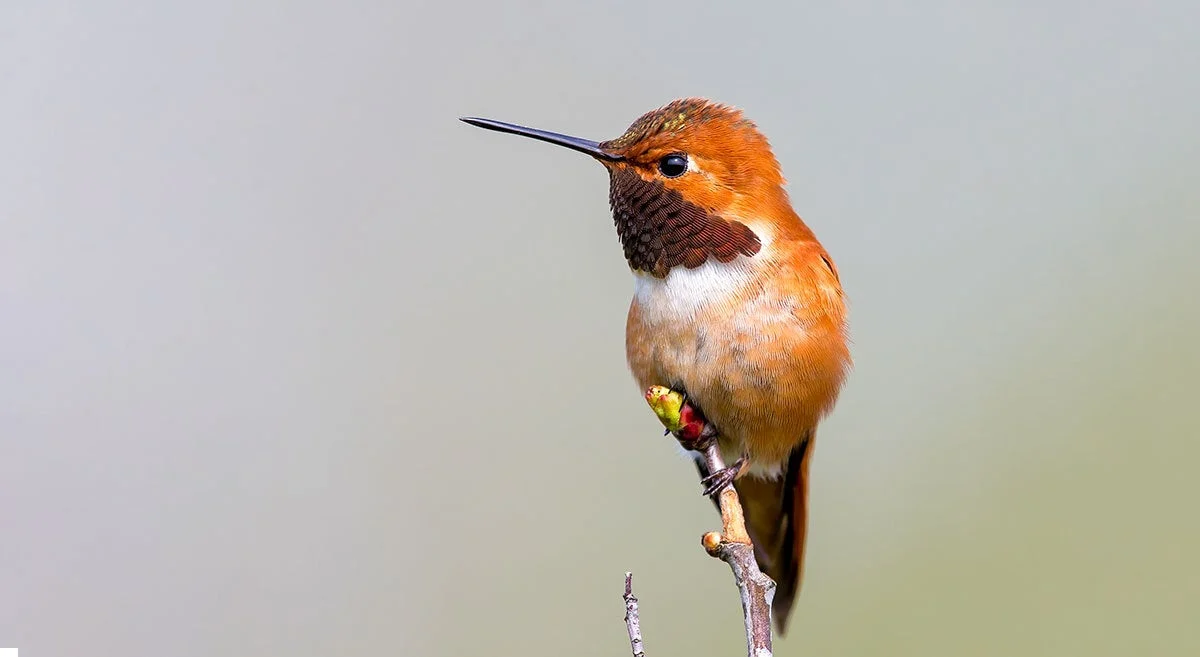
Philadelphia, Pennsylvania, a city renowned as the "City of Brotherly Love," is emerging as a beacon of urban conservation, with the National Audubon Society highlighting its groundbreaking efforts in a new documentary feature. This initiative underscores the critical role cities play in the survival of migratory bird species and offers a tangible model for communities nationwide to engage in vital environmental stewardship. The documentary, part of Audubon’s four-part series "Birds on the Move," casts a lens on how local communities, in partnership with conservation organizations, are transforming urban landscapes into crucial havens for avian travelers, demonstrating that meaningful conservation can thrive even within bustling metropolitan centers.
Each year, hundreds of thousands of migratory birds traverse North America’s diverse ecosystems, with many undertaking perilous journeys spanning thousands of miles. For these avian voyagers, urban environments like Philadelphia are not merely obstacles but potential lifelines—essential stopover points where they can rest, refuel, and find temporary sanctuary before continuing their arduous migrations. However, these urban havens also present significant challenges, including habitat fragmentation, light pollution, and window collisions, which collectively contribute to the alarming decline in bird populations. Recognizing this dual reality, Audubon and its partners in Philadelphia have embarked on a comprehensive strategy to reimagine urban spaces, making them more hospitable and safer for the myriad species that rely on them.
The Critical Role of Urban Landscapes for Migratory Birds
Philadelphia’s unique geographical position along the Atlantic Flyway, one of North America’s major bird migration routes, makes it an indispensable waypoint for countless species. From warblers and thrushes to various raptors and shorebirds, these birds navigate vast distances, often under the cover of darkness, relying on a network of suitable habitats to complete their journeys. Studies estimate that up to a billion birds annually pass through cities across North America during spring and fall migrations. The urban core, with its mixture of green spaces, waterways, and built environment, presents a complex array of challenges and opportunities for these travelers.
Historically, urban expansion has often come at the expense of natural habitats, leading to a significant reduction in the green infrastructure necessary to support wildlife. However, a growing understanding of ecological interconnectedness has prompted a shift in perspective. Conservationists now recognize that cities, far from being ecological voids, can be integrated into broader conservation strategies. By enhancing urban parks, creating native plant gardens, and mitigating human-induced threats, cities can become vital components of continental-scale conservation efforts. This paradigm shift is at the heart of Audubon’s work in Philadelphia, showcasing how intentional design and community engagement can transform urban areas into vibrant ecological corridors.
Audubon’s Comprehensive Strategy in Philadelphia: A Multi-faceted Approach
Audubon’s conservation efforts in Philadelphia are characterized by a multi-pronged approach, integrating habitat restoration, community education, and policy advocacy. This holistic strategy aims to address the diverse challenges faced by migratory birds while fostering a deeper connection between city residents and the natural world.
Habitat Restoration: The Cobbs Creek Initiative
A cornerstone of Audubon’s on-the-ground work in Philadelphia has been the revitalization of Cobbs Creek Park. Located in West Philadelphia, Cobbs Creek represents a crucial urban green space and a significant migratory corridor. Since initiating intensified efforts in the early 2010s, Audubon staff and a dedicated network of volunteers have collaborated closely with the city’s Department of Parks & Recreation and local groups such as the Darby Creek Valley Association (DCVA) to undertake extensive habitat improvement projects.
These efforts have primarily focused on restoring and enhancing meadow and stream-side habitats along Cobbs Creek. This involves the removal of invasive plant species that outcompete native flora, followed by the strategic planting of native trees, shrubs, and wildflowers. Native plants are fundamental to supporting local ecosystems, providing essential food sources (nectar, seeds, insects) and shelter for birds and other wildlife. For instance, the restoration has seen the reintroduction of species like milkweed, vital for monarch butterflies, and various berry-producing shrubs that offer critical sustenance to migrating songbirds such such as warblers, vireos, and thrushes.
John Smith, President of the Darby Creek Valley Association, commented on the partnership: "Our collaboration with Audubon and the City of Philadelphia has been instrumental in demonstrating the power of community-led conservation. The improvements in Cobbs Creek Park are not just about aesthetics; they’re about rebuilding a functional ecosystem that supports incredible biodiversity, right here in our urban backyard. Seeing native species return and thrive is incredibly rewarding."
Beyond the park, Audubon has also engaged local residents in building the Cecil Street Gardens. This initiative transformed an underutilized urban lot into a biodiverse community green space. Planted exclusively with native species, the gardens serve as a vibrant example of how small-scale interventions can create significant ecological impact, providing food and shelter for birds, pollinators, and other small wildlife. Local resident Maria Rodriguez, a volunteer at the Cecil Street Gardens, expressed her appreciation: "This garden has brought so much life, not just to the birds and butterflies, but to our community. It’s a place where neighbors connect, learn, and feel proud of the nature we’re helping to nurture."
Education and Engagement: The Discovery Center
Audubon’s Philadelphia work extends significantly to the Discovery Center, a unique and innovative facility situated in the Strawberry Mansion neighborhood. Established in September 2018 through a partnership between Audubon Pennsylvania and the National Park Service, the center embodies a powerful fusion of science, education, and community engagement. Its location, overlooking the historic East Park Reservoir, provides a natural classroom where urban residents, particularly youth, can connect directly with nature.
The Discovery Center serves as a hub for diverse programs designed to foster environmental literacy and stewardship. Through hands-on activities, guided birding events, and community science initiatives, Audubon staff help Philadelphians of all ages better understand and protect the natural world around them. Programs like "Birding Basics" introduce newcomers to the joy of birdwatching, while "Citizen Science Projects" engage volunteers in collecting valuable data on local bird populations, such as through the Christmas Bird Count or Breeding Bird Survey. These initiatives not only provide critical scientific information but also empower residents to become active participants in conservation.
Sarah Miller, Audubon’s Director of Urban Conservation, highlighted the center’s mission: "The Discovery Center is more than just a building; it’s a catalyst for change. We’re breaking down barriers to accessing nature and showing people that conservation isn’t something that happens ‘out there,’ but right here, in their neighborhoods. When people connect with nature, they’re far more likely to protect it. Our programs here are building the next generation of environmental stewards." The center’s focus on accessible environmental education helps bridge the gap between scientific knowledge and community action, ensuring that conservation efforts are locally relevant and sustainable.
Policy and Prevention: The Bird Safe Philly Partnership
Addressing the immediate threats birds face in urban environments is another critical component of Audubon’s strategy. Audubon is a proud partner in Bird Safe Philly, a collaborative effort launched in 2020 by local conservation groups, city agencies, and academic institutions. This partnership is dedicated to reducing bird collisions across the city, a significant cause of avian mortality in urban areas.
Bird collisions with glass windows and illuminated buildings are a devastating consequence of urbanization. Estimates suggest that hundreds of millions of birds die annually from these collisions across North America. In Philadelphia, the sheer number of high-rise buildings and brightly lit structures during migration periods poses a substantial threat. Bird Safe Philly advocates for bird-friendly building design standards, promoting the use of patterned glass, exterior screens, and other mitigation techniques that make windows more visible to birds.
Furthermore, the partnership conducts extensive public awareness campaigns about simple, yet highly effective, actions individuals and businesses can take, such as turning off non-essential lights at night during peak migration seasons. Light pollution disorients migrating birds, drawing them into urban centers where they are more susceptible to collisions. "The ‘Lights Out Philly’ campaign is a testament to what collective action can achieve," stated a spokesperson for Bird Safe Philly. "By making small adjustments, like dimming office lights or closing blinds at home, Philadelphians are directly saving countless bird lives. This isn’t just about policy; it’s about a community-wide commitment to protecting our feathered neighbors." This initiative exemplifies how policy advocacy combined with public education can yield measurable conservation outcomes.
Broader Context: The "Birds on the Move" Documentary Series
The Philadelphia narrative is presented as a crucial chapter within Audubon’s compelling four-part documentary series, "Birds on the Move." This series undertakes an ambitious journey, tracing the incredible migrations of various bird species from their breeding grounds in Canada’s Boreal Forest—often referred to as North America’s bird nursery—down to their wintering grounds in Colombia, the most bird-rich country on Earth. Along this vast migratory superhighway, the series highlights critical stopover points, including the urban landscapes of Philadelphia.
By showcasing the Philadelphia efforts within this continental context, "Birds on the Move" powerfully illustrates the interconnectedness of ecosystems and the global implications of local conservation actions. The documentary emphasizes that the fate of a warbler breeding in the Boreal Forest is intrinsically linked to the health of a urban park in Philadelphia and a tropical forest in Colombia. It serves as a vivid reminder that conservation is not confined by political borders but demands a collaborative, international approach. The series also provides educational resources, allowing viewers to delve deeper into specific species and the challenges they face, fostering a greater appreciation for the marvel of migration and the urgency of its protection.
The Urgency of Urban Bird Conservation and Its Implications
The work in Philadelphia is a microcosm of a larger, urgent global challenge. Birds are widely recognized as key indicators of environmental health. Their decline signals broader ecological imbalances that ultimately affect all living beings, including humans. Recent scientific reports, such as the "3 Billion Birds Lost" study, have starkly revealed that North America has lost nearly 3 billion birds since 1970, representing a 29% decline in overall bird populations. This alarming trend underscores the critical need for intensified conservation efforts, both in wildlands and increasingly, within human-dominated landscapes.
The Philadelphia model offers compelling evidence that urban conservation is not only possible but highly effective. The city’s commitment to fostering green infrastructure, engaging diverse communities, and implementing bird-friendly policies demonstrates a scalable approach that can be replicated in other metropolitan areas. The benefits extend beyond avian populations; enhanced green spaces improve air and water quality, reduce urban heat island effects, boost public health through increased access to nature, and foster stronger community bonds.
Officials from the City of Philadelphia’s Department of Parks & Recreation lauded the partnerships, stating, "Our collaboration with Audubon and community groups is a win-win. It enriches our city’s biodiversity, provides beautiful and healthy green spaces for our residents, and positions Philadelphia as a leader in urban environmental stewardship. We are committed to continuing to integrate nature into our urban fabric."
The implications of Philadelphia’s success resonate far beyond its city limits. It provides a blueprint for how cities can evolve from being mere human habitats to becoming vital components of a resilient global ecosystem. It emphasizes that individual actions, when aggregated, can drive monumental change. Turning off lights, planting native gardens, volunteering for habitat restoration, or simply becoming more aware of local birdlife all contribute to a collective effort to safeguard biodiversity.
A Path Forward: Collective Action for a Thriving Future
Protecting birds and their habitats begins at the local level, fostering a sense of ownership and responsibility within communities. The efforts showcased in Philadelphia—from revitalizing Cobbs Creek Park and establishing community gardens to empowering residents at the Discovery Center and advocating for bird-safe building designs—exemplify a holistic and effective approach. These initiatives highlight the indispensable role of collaboration among non-profit organizations, governmental agencies, academic institutions, and engaged citizens.
The National Audubon Society’s work in Philadelphia, captured in "Birds on the Move," serves as an inspiring narrative of hope and action. It underscores that by understanding the journeys of migratory birds and addressing the challenges they face in our rapidly urbanizing world, we can create cities where both wildlife and people not only coexist but thrive. The future of bird migration, and indeed the health of our planet, depends on our collective willingness to invest in and sustain these vital urban conservation efforts. As the documentary series encourages, understanding the paths of these incredible birds and the people and places working to ensure their safe passage is the first step towards ensuring a vibrant future for all.
