
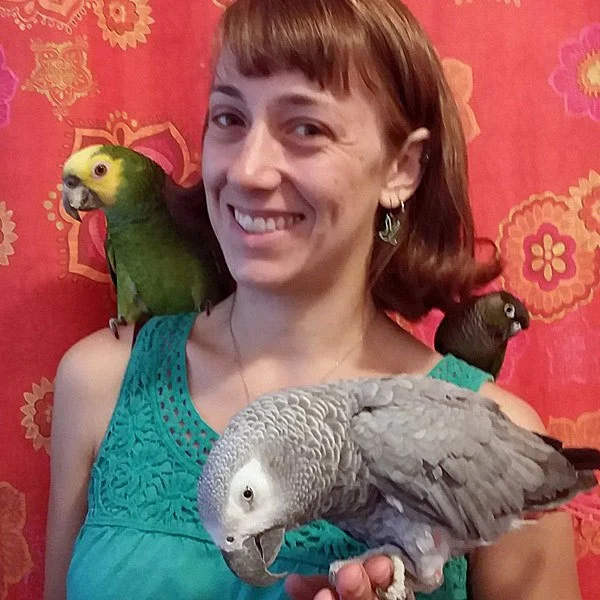
The upcoming "Avian Vet Insider" webinar, scheduled for Friday, April 10, 2026, at 12:00 p.m. PST, will delve into the complex and often distressing subject of avian neoplasia. Hosted by the renowned avian veterinarian Dr. Stephanie Lamb, this educational session aims to demystify a broad spectrum of neoplastic disorders affecting pet birds, ranging from benign skin growths to aggressive and incurable diseases. This marks the first installment of a two-part series designed to provide pet bird owners and enthusiasts with comprehensive knowledge about cancer in avian species.
Understanding Avian Neoplasia: A Growing Concern for Pet Bird Owners
Neoplasia, commonly referred to as cancer, is a significant health concern for companion animals, and avian species are not exempt. The term encompasses a diverse group of diseases characterized by the uncontrolled proliferation of abnormal cells. These abnormal cells can form tumors, which may be benign (non-cancerous and localized) or malignant (cancerous, capable of invading surrounding tissues and spreading to distant parts of the body through metastasis). For pet bird owners, understanding the signs, types, and potential outcomes of avian neoplasia is crucial for early detection, effective management, and ultimately, the well-being of their feathered companions.
The prevalence of certain types of cancer in birds is influenced by various factors, including species, age, genetics, environmental exposures, and diet. While specific statistical data on avian neoplasia can be challenging to aggregate due to variations in reporting and diagnostic capabilities across different regions and veterinary practices, anecdotal evidence and veterinary case studies highlight its presence across a wide range of avian species. Commonly affected species include parrots (such as Amazons, African Greys, Cockatiels, and Budgerigars), canaries, finches, and raptors.
Dr. Stephanie Lamb: A Leading Voice in Avian Health
Dr. Stephanie Lamb, a respected figure in avian veterinary medicine, brings a wealth of experience and expertise to this critical topic. Her dedication to advancing the understanding and treatment of avian diseases has made her a sought-after speaker and educator. The "Avian Vet Insider" webinar series, presented by Lafeber Company, a leader in avian nutrition and health, consistently features leading veterinarians discussing vital aspects of pet bird care. This particular webinar on avian neoplasia is anticipated to be highly informative, offering practical insights and evidence-based guidance for those who care for pet birds.
The Scope of Avian Neoplasia: From Common to Rare Presentations
During the webinar, Dr. Lamb will navigate the complexities of avian neoplasia, covering both frequently encountered types of cancer and less common but equally important presentations. The discussion will likely encompass:
- Cutaneous Neoplasms: Benign growths like papillomas and lipomas, as well as more concerning skin cancers, can appear on the skin, beak, or feet of birds. These are often visually apparent and may be the first indication of a problem.
- Internal Organ Tumors: Neoplasms can develop in vital organs such as the liver, kidneys, spleen, lungs, and reproductive organs. These can be more insidious, with symptoms developing gradually and often becoming apparent only when the disease is advanced.
- Hematopoietic Neoplasms: These involve the blood-forming tissues, including lymphoid tumors (lymphoma) and leukemia. These can affect the immune system and lead to a wide range of clinical signs.
- Skeletal Neoplasms: Tumors of the bone are less common but can significantly impact a bird’s mobility and overall health.
- Reproductive Tract Tumors: Ovarian and testicular tumors can occur, particularly in older birds, and can have hormonal implications as well as causing physical discomfort and disease.
The webinar’s approach will likely involve detailing common clinical signs associated with these various types of neoplasia, such as changes in appetite or weight, lethargy, difficulty breathing, lumps or swellings, abnormal droppings, and behavioral changes. Dr. Lamb is expected to discuss diagnostic approaches, including physical examinations, blood work, diagnostic imaging (radiography, ultrasound), and biopsy for definitive diagnosis. Treatment options, which can range from surgical removal of tumors to chemotherapy, radiation therapy, and supportive care, will also be a key focus.
A Two-Part Series: Addressing a Multifaceted Challenge
The decision to present avian neoplasia as a two-part webinar series underscores the depth and breadth of this subject. The first session will lay the foundational knowledge, introducing the basic concepts and common presentations. The subsequent installment will likely delve into more advanced topics, potentially including specific diagnostic protocols, nuanced treatment strategies for particular tumor types, palliative care, and the emotional and practical challenges faced by owners when their birds are diagnosed with cancer.

This structure allows for a thorough exploration of a sensitive and complex health issue, ensuring that participants can absorb the information effectively. For bird owners who may have already experienced the heartbreak of a neoplasia diagnosis in one of their beloved pets, this series offers an opportunity for deeper understanding and empowerment. For those who wish to be proactive in their bird’s health management, it provides essential knowledge to recognize potential warning signs and seek timely veterinary care.
Background and Chronology of "Avian Vet Insider"
The "Avian Vet Insider" webinar series has established itself as a valuable resource for the avian community. Launched to bridge the gap between cutting-edge veterinary knowledge and accessible information for pet owners, the series has covered a wide array of topics, from common infectious diseases and nutritional deficiencies to behavioral issues and preventative care. Each webinar is typically announced with sufficient lead time to allow for registration and preparation.
The scheduling of this webinar on a Friday afternoon at 12:00 p.m. PST is a common practice for such events, aiming to accommodate a broad audience of pet owners who may be engaged in work or other daily activities during typical business hours. The inclusion of a time zone converter link is a thoughtful addition, acknowledging the global reach of online educational platforms and ensuring participants can accurately determine the webinar’s start time in their local region. The event is scheduled for April 10, 2026, providing ample notice for interested individuals to plan their schedules.
Implications for Avian Welfare and Pet Ownership
The increasing sophistication of veterinary diagnostics and treatments means that more avian cancers are being identified and managed effectively. However, the financial and emotional toll of dealing with serious illnesses like cancer can be significant for pet owners. Educational initiatives like this webinar play a vital role in empowering owners with knowledge, fostering a proactive approach to health, and promoting realistic expectations regarding diagnosis and treatment.
The implications of understanding avian neoplasia extend beyond individual bird care. As awareness grows, it can drive further research into avian oncology, leading to improved diagnostic tools, more effective therapies, and potentially even preventative strategies. Furthermore, it reinforces the importance of regular veterinary check-ups for pet birds, which are often overlooked compared to their canine and feline counterparts. Early detection, as in human medicine, is often the key to successful management of cancer in birds.
Official Statements and Community Reactions (Inferred)
While direct quotes from Lafeber Company or Dr. Lamb regarding this specific webinar are not provided in the source material, it is reasonable to infer their motivations and anticipated reception. Lafeber Company’s commitment to avian health education would be a primary driver for hosting such a webinar. Their mission often involves providing science-based information to enhance the lives of pet birds.
The veterinary community, particularly avian specialists, would likely welcome such an initiative. Continuing education on complex topics like neoplasia is crucial for practitioners, and webinars offer a convenient format for knowledge dissemination. Pet bird owner advocacy groups and online forums are likely to generate considerable interest and discussion around this topic, as cancer is a frequently discussed concern among bird enthusiasts. The opportunity to learn directly from an expert like Dr. Lamb would be highly valued.
Conclusion: Empowering Owners Through Knowledge
The "Avian Vet Insider" webinar on Avian Neoplasia, Part 1, represents a significant opportunity for pet bird owners to gain critical insights into a challenging aspect of avian health. By demystifying common and rare forms of cancer, discussing diagnostic approaches, and outlining potential treatment avenues, Dr. Stephanie Lamb aims to equip owners with the knowledge necessary to advocate for their birds’ well-being. The comprehensive, two-part format ensures that this complex subject can be explored in depth, fostering a more informed and proactive approach to avian cancer management. As the field of avian medicine continues to advance, such educational endeavors are indispensable in promoting the health and longevity of our cherished feathered companions.
