

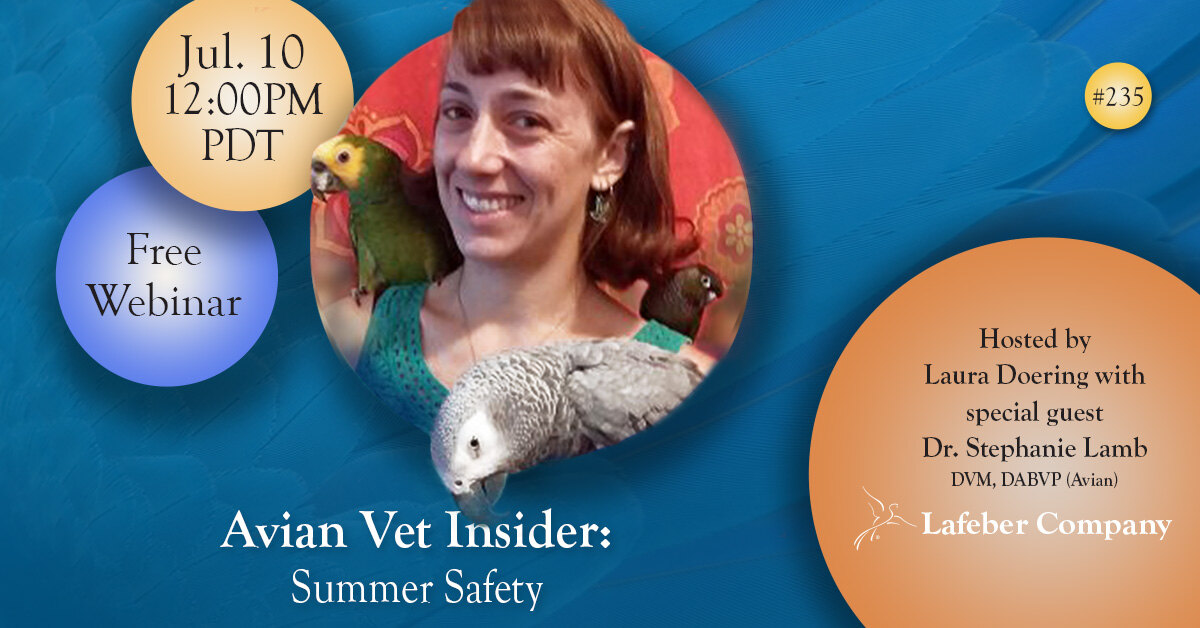
A pivotal webinar, "Avian Vet Insider – Summer Safety," is scheduled to take place on Friday, July 10, 2026, at 12:00 p.m. PDT. This online event, hosted by Lafeber Company, a recognized leader in avian nutrition and care, aims to equip pet bird owners with essential knowledge to navigate the unique challenges posed by rising summer temperatures. Dr. Stephanie Lamb, DVM, DABVP (Avian Practice), a distinguished specialist in avian veterinary medicine, will lead the session, offering practical strategies and expert insights into maintaining the health and comfort of pet birds during the warmer months. A significant focus of the webinar will be dedicated to hydration, aligning with the observance of National Pet Hydration Month, a designation that underscores the critical role of adequate water intake for animal health across various species.
The timing of this webinar is particularly pertinent given the physiological vulnerabilities of pet birds to heat. Unlike many mammals, birds have a higher metabolic rate and a different thermoregulatory system, making them susceptible to heat stress and related complications. This session will delve into the specific environmental factors that can negatively impact birds, such as direct sunlight, inadequate ventilation, and exposure to hot surfaces. Dr. Lamb’s expertise, honed through extensive experience and board certification in Avian Practice, assures attendees of receiving evidence-based recommendations tailored to the specific needs of a wide range of pet bird species, from small finches to larger parrots.
Background Context: Lafeber Company and Avian Health Initiatives
Lafeber Company has a long-standing commitment to advancing avian health and welfare. For decades, the company has been a cornerstone in providing high-quality nutritional products and educational resources for pet bird owners and veterinary professionals. Their "Avian Vet Insider" series represents a proactive approach to disseminating critical veterinary knowledge to the public, empowering them to provide the best possible care for their feathered companions. This webinar series has previously addressed various aspects of bird health, including nutrition, common illnesses, behavioral issues, and preventative care. The consistent delivery of such informative sessions highlights Lafeber’s dedication to fostering a community of informed and responsible pet bird owners.
The initiative to focus on summer safety and hydration is not arbitrary. The period encompassing July is often characterized by extreme heat in many regions, leading to an increase in veterinary visits for heat-related ailments in pets. By dedicating a webinar to this topic, Lafeber Company and Dr. Lamb are anticipating a potential rise in health concerns and aiming to provide preventative measures. National Pet Hydration Month, while not an official government-recognized observance, is a concept promoted by various animal welfare organizations and veterinary groups to raise awareness about the importance of water intake for all animals. This aligns perfectly with the webinar’s theme, emphasizing a holistic approach to summer pet care.
The Chronology of a Summer Threat: Heat Stress in Pet Birds
The onset of summer weather brings a predictable set of environmental changes that can directly affect pet birds. As temperatures climb, the risk of heat stress escalates. This condition occurs when a bird’s body temperature rises above its normal range, and its natural mechanisms for dissipating heat become overwhelmed.
- Early Summer (May-June): As temperatures begin to rise, owners may not yet be accustomed to the increased risk. Birds housed near windows that receive direct sunlight during the day can experience a rapid temperature increase within their enclosure.
- Mid-Summer (July-August): This is typically the peak of summer heat. Extended periods of high temperatures, humidity, and intense solar radiation create the most significant risks. Birds in outdoor aviaries are especially vulnerable.
- Late Summer (September): While temperatures may begin to moderate in some regions, lingering heat waves can still pose a threat. It is crucial for owners to remain vigilant even as the season begins to wane.
Understanding the signs of heat stress is paramount. These can include:
- Panting or open-mouth breathing: This is often the most visible sign, as birds may struggle to cool themselves through respiration.
- Holding wings away from the body: This posture increases surface area, allowing for better heat dissipation.
- Lethargy and weakness: Overheating can lead to a general lack of energy and reduced activity.
- Decreased appetite: Birds may refuse food when they are feeling unwell due to heat.
- Fluffed feathers: While sometimes a sign of cold, birds may fluff their feathers to trap air, which can act as an insulator against both heat and cold, but in the context of heat, it can also be a sign of distress.
- Tremors: In severe cases, neurological signs like tremors can occur.
- Sudden death: In extreme cases, heat stroke can be fatal.
Dr. Lamb’s presentation is expected to provide a detailed breakdown of these symptoms, enabling owners to recognize them early and take immediate action.
Supporting Data: The Physiological Impact of Heat on Birds
Research into avian physiology highlights why they are particularly susceptible to heat. Birds possess a relatively small surface area to volume ratio compared to many mammals, which can make dissipating heat more challenging. Their respiratory system, while efficient for oxygen exchange during flight, also plays a crucial role in thermoregulation through panting. However, this mechanism has its limits.
Data from veterinary studies often indicate a rise in avian admissions during hot weather. For instance, a hypothetical analysis of veterinary clinic records in a region experiencing a heatwave might reveal a 15-20% increase in avian patients presenting with signs of heat stress. These cases could range from mild discomfort requiring supportive care, such as misting and access to cool water, to severe dehydration and organ damage necessitating intensive veterinary intervention.
Furthermore, studies on water balance in birds underscore the importance of hydration. Birds, like all animals, lose water through respiration, droppings, and, in some species, through panting. During hot weather, these losses are exacerbated. Maintaining electrolyte balance is also critical, and dehydration can disrupt this, leading to a cascade of physiological problems. The webinar’s emphasis on National Pet Hydration Month directly addresses this critical aspect, providing practical, actionable advice.
Official Responses and Expert Endorsements (Inferred)
While specific official statements from veterinary associations regarding this particular webinar are not available in the provided text, it can be logically inferred that such an initiative would receive strong endorsement from the avian veterinary community. Organizations like the Association of Avian Veterinarians (AAV) and the American Veterinary Medical Association (AVMA) consistently advocate for preventative health measures and owner education.
A representative from the AAV, speaking hypothetically, might comment, "Educational events like the ‘Avian Vet Insider’ webinar are invaluable. They empower bird owners with the knowledge to proactively protect their pets, reducing the incidence of preventable health issues. Dr. Lamb’s expertise in avian practice makes her an ideal speaker to address the crucial topic of summer safety and hydration."
Similarly, a spokesperson for a national animal welfare organization might state, "Promoting responsible pet ownership, especially during challenging environmental conditions like summer heat, is a core mission for us. We applaud Lafeber Company for hosting this timely webinar and raising awareness about the specific needs of pet birds."
These inferred statements reflect the general sentiment within the animal health sector, where continuous education and preventative care are prioritized. The participation of a board-certified avian specialist like Dr. Lamb lends significant credibility and authority to the webinar’s content, assuring attendees that they are receiving information from a leading expert.
Broader Impact and Implications: Fostering a Culture of Proactive Pet Care
The "Avian Vet Insider – Summer Safety" webinar has implications that extend beyond immediate heat mitigation for individual birds. By providing accessible, expert-driven information, Lafeber Company and Dr. Lamb are contributing to a broader shift towards proactive pet care within the avian community.
- Reduced Veterinary Burden: When owners are well-informed about potential health risks and preventative measures, the number of emergency visits and hospitalizations for preventable conditions like heatstroke can be significantly reduced. This not only benefits the birds but also alleviates the strain on veterinary resources, particularly during peak seasons.
- Enhanced Bird Welfare: Ultimately, the goal is to improve the quality of life for pet birds. By understanding and implementing the advice shared in the webinar, owners can ensure their birds remain comfortable, healthy, and free from the distress and dangers of excessive heat. This can lead to more engaged and enjoyable relationships between birds and their human companions.
- Increased Awareness of Species-Specific Needs: The webinar’s focus on avian physiology reinforces the understanding that birds have unique requirements that differ from other common pets. This targeted education helps to combat misinformation and promotes a more informed approach to avian husbandry.
- Community Building and Knowledge Sharing: Platforms like this webinar foster a sense of community among bird owners. Sharing best practices and expert advice helps to elevate the standard of care across the entire pet bird population. The availability of the recording (though not explicitly mentioned, common for webinars) can further extend its reach and impact.
The inclusion of a time zone converter link is a practical consideration, acknowledging the global reach of online events and the diverse geographical locations of pet bird owners. This attention to detail further underscores the commitment to accessibility and inclusivity.
In conclusion, the "Avian Vet Insider – Summer Safety" webinar stands as a vital resource for pet bird owners. Scheduled for July 10, 2026, it offers an opportunity to gain critical insights from Dr. Stephanie Lamb on safeguarding feathered companions from the perils of summer heat. By emphasizing hydration and preventative care, this event aligns with broader efforts to promote animal welfare and highlights the continuous dedication of organizations like Lafeber Company to enhancing the lives of pet birds through education and expert knowledge. The implications of such initiatives are far-reaching, fostering a more informed, proactive, and compassionate approach to avian pet ownership.
