
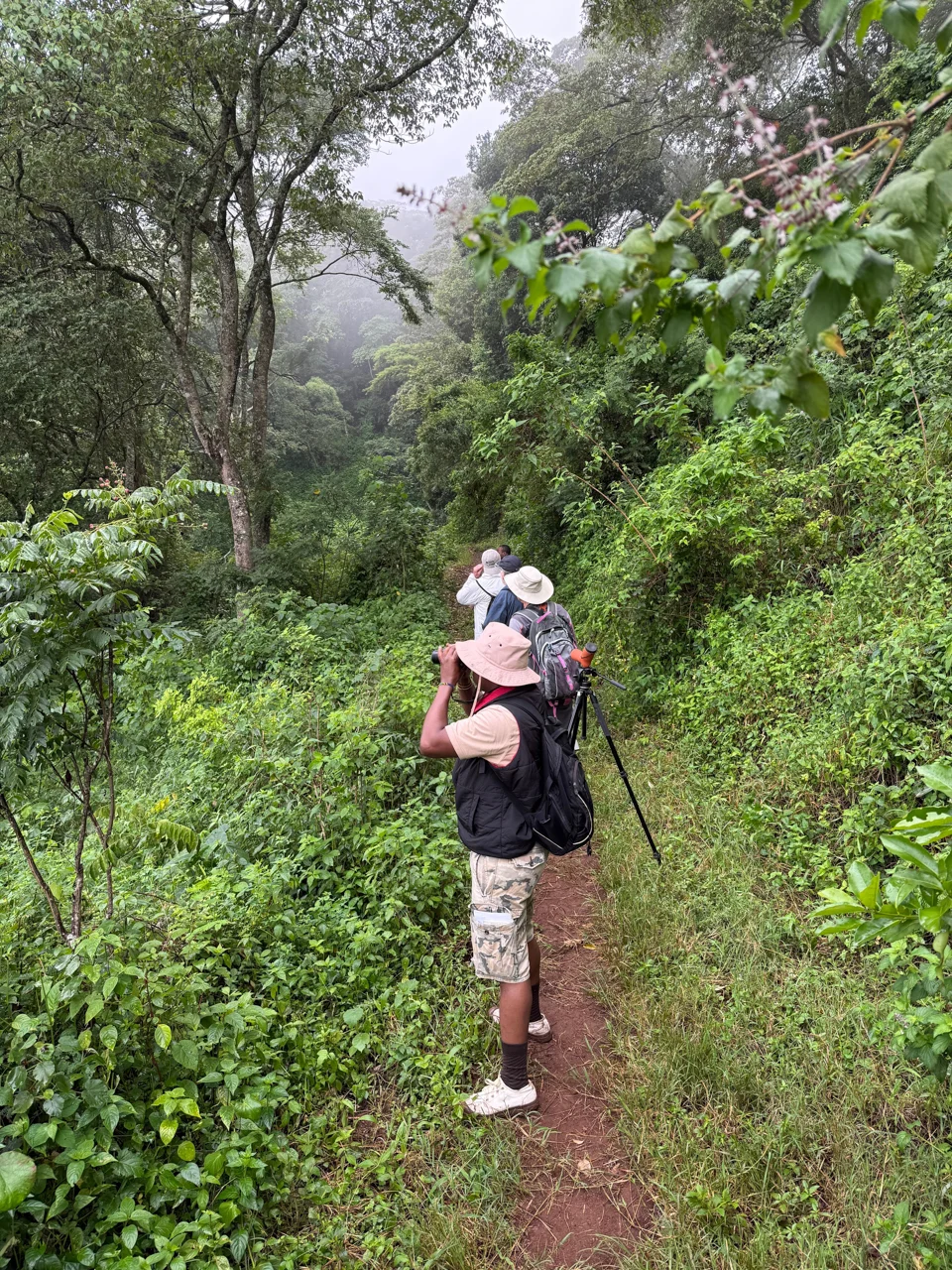
The first April 2026 Tanzania Safari conducted by Eagle-Eye Tours (EET) concluded with significant milestones in both mammalian and avian sightings, underscoring the region’s status as a premier destination for multifaceted wildlife expeditions. Led by veteran guide James Wolstencroft and driver-guide Frank, the expedition managed a delicate balance between two distinct interests: the pursuit of the "Big Five" megafauna and the intensive observation of East Africa’s diverse bird populations. The group of six participants was nearly equally divided between dedicated birders and those focused on the traditional safari experience, necessitating a logistical approach that prioritized ecological variety and comprehensive coverage of the northern circuit’s varied habitats.
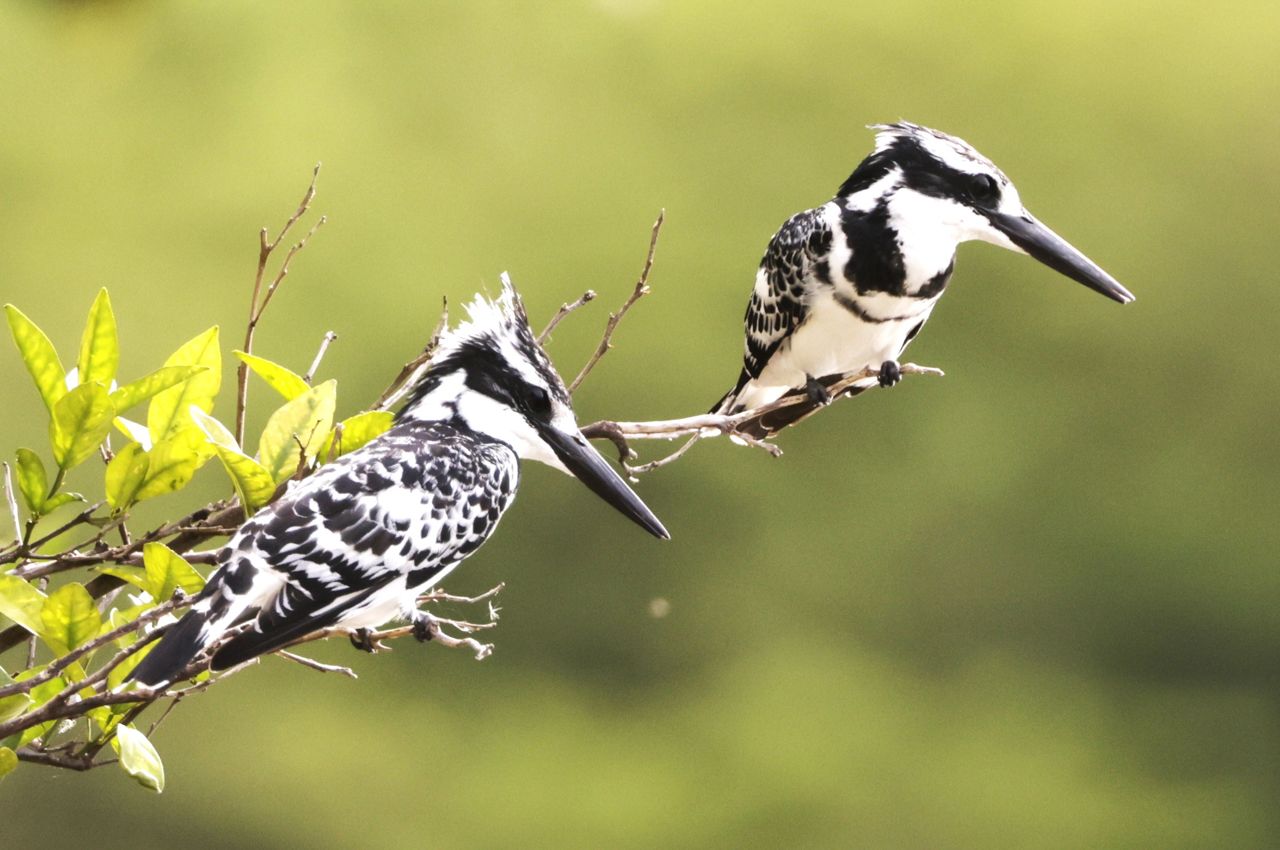
By the conclusion of the tour, the group had successfully recorded over 400 bird species, a significant benchmark for any East African safari. Simultaneously, the expedition secured sightings of all members of the Big Five—lion, leopard, African elephant, Cape buffalo, and the critically endangered black rhinoceros. The success of the trip was bolstered by favorable weather conditions during the "Green Season," a period characterized by lush landscapes and migratory activity, which this year saw lighter-than-expected rainfall, allowing for uninterrupted transit and observation.
The Strategic Importance of the Green Season
The April safari took place during Tanzania’s Green Season, historically associated with the "long rains." While this period can often present logistical challenges due to muddy tracks and heavy downpours, it offers unique advantages for wildlife enthusiasts. The early rains in March 2026 had already transformed the landscape into a verdant expanse, providing high-quality forage for ungulates and triggering breeding displays among various bird species.
In 2026, the rainfall was described as "balmy," with heavy showers remaining scarce. This lack of adverse weather was pivotal for the group’s ability to navigate the more remote sections of the Serengeti and the Ngorongoro Conservation Area. From a journalistic perspective, the Green Season represents a high-value window for ecotourism; the dust of the dry season is absent, the air is clear for photography, and the birth of new calves among the wildebeest and zebra herds attracts high concentrations of predators.
Chronology of the Expedition: From Kilimanjaro to the Rift Valley
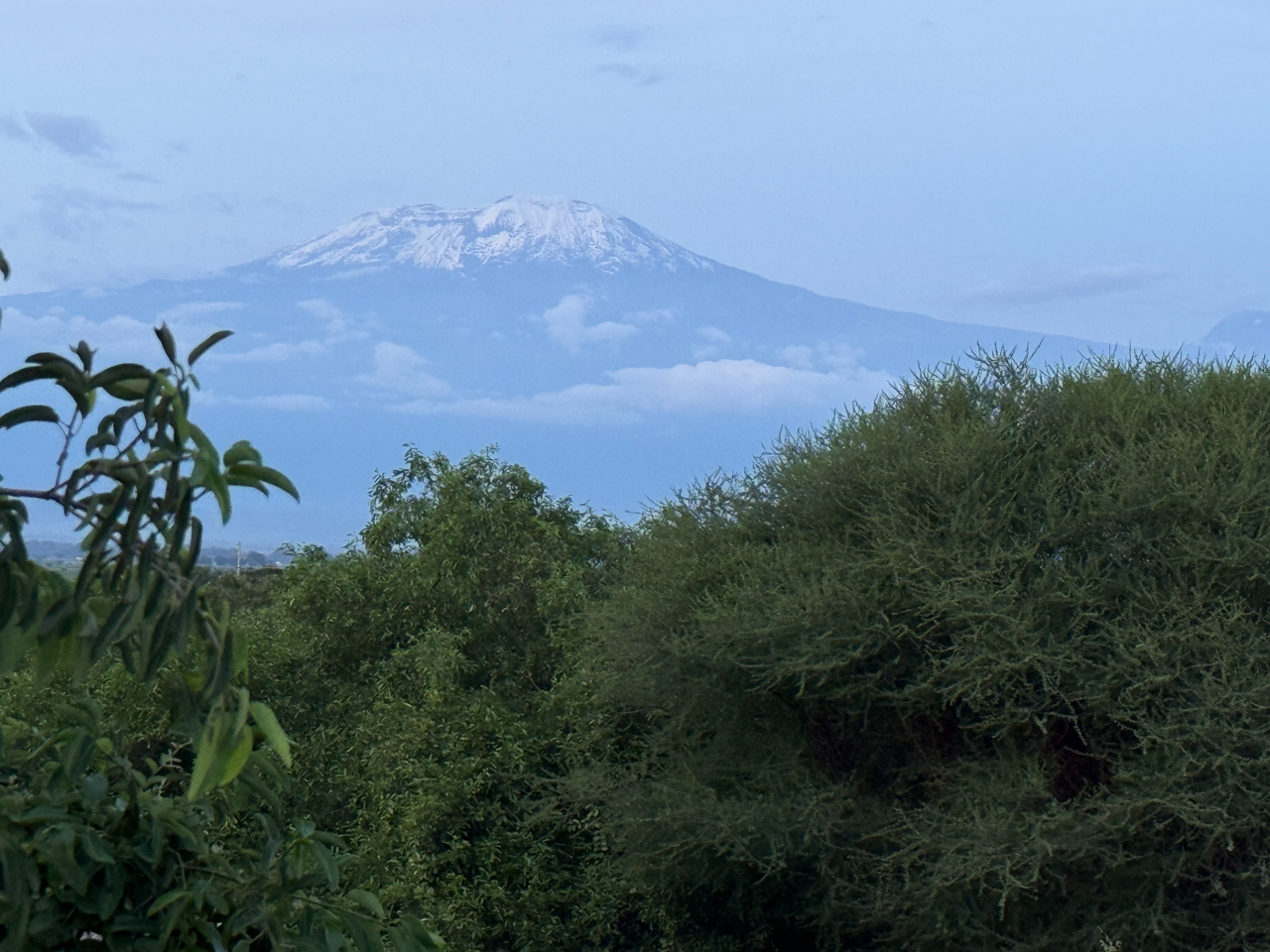
The journey commenced at the KIA Lodge, situated adjacent to the Kilimanjaro International Airport. The lodge’s expansive and verdant grounds served as an immediate introduction to the region’s biodiversity. Despite the thick vegetation resulting from early rains, the group successfully located resident Spotted Eagle-Owls and approximately six Slender-tailed Nightjars. On April 2, as the group departed the lodge, they observed breeding plumage Yellow Bishops and Palearctic migrants, such as the Wood Sandpiper and Little Stint, indicating the tail end of the northern migration.
Arusha National Park provided the first encounter with large-scale African mammals. The park is unique for its "tower" of Masai Giraffes and its population of pied Colobus Monkeys. A notable avian highlight occurred at the Momella Lakes, where the group observed both Isabelline and Turkestan Shrikes hunting in the same clearing—a rare simultaneous sighting of these two closely related Palearctic migrants. The expedition also documented the Suni, the smallest of East Africa’s antelopes, browsing alongside Blue Monkeys, illustrating the symbiotic relationships often found in the forest glades.
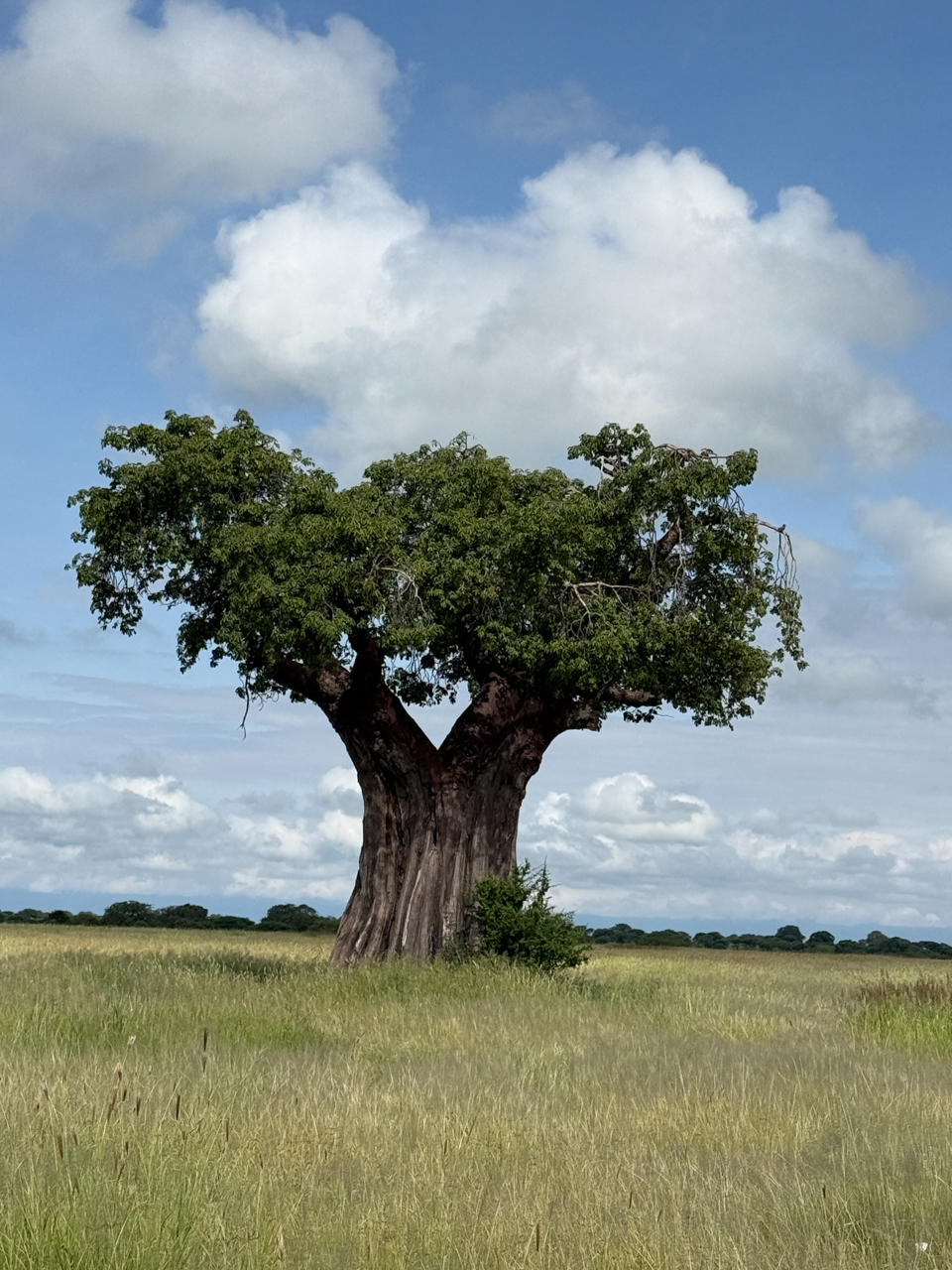
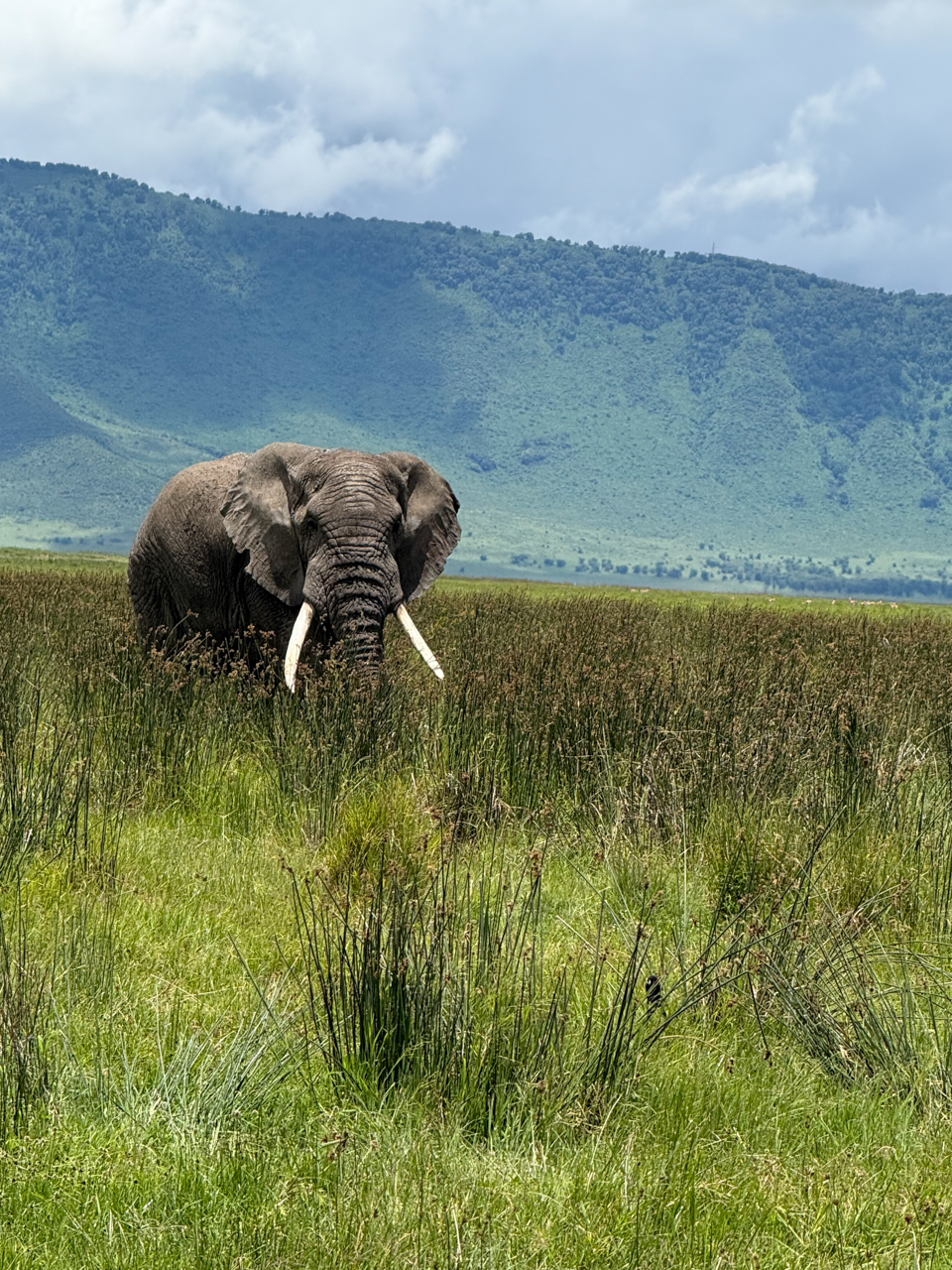
As the tour moved toward the Great Rift Valley, the landscape shifted to the baobab-studded savannas of Tarangire National Park. Known for its massive elephant herds and iconic birdlife, Tarangire delivered sightings of the Lilac-breasted Roller and the enigmatic Parasitic Weaver (Cuckoo-finch). The latter is a particularly significant find, as the species is irruptive and had not been recorded by the lead guide in over a decade.
The Ngorongoro Crater: A Zoological Pilgrimage
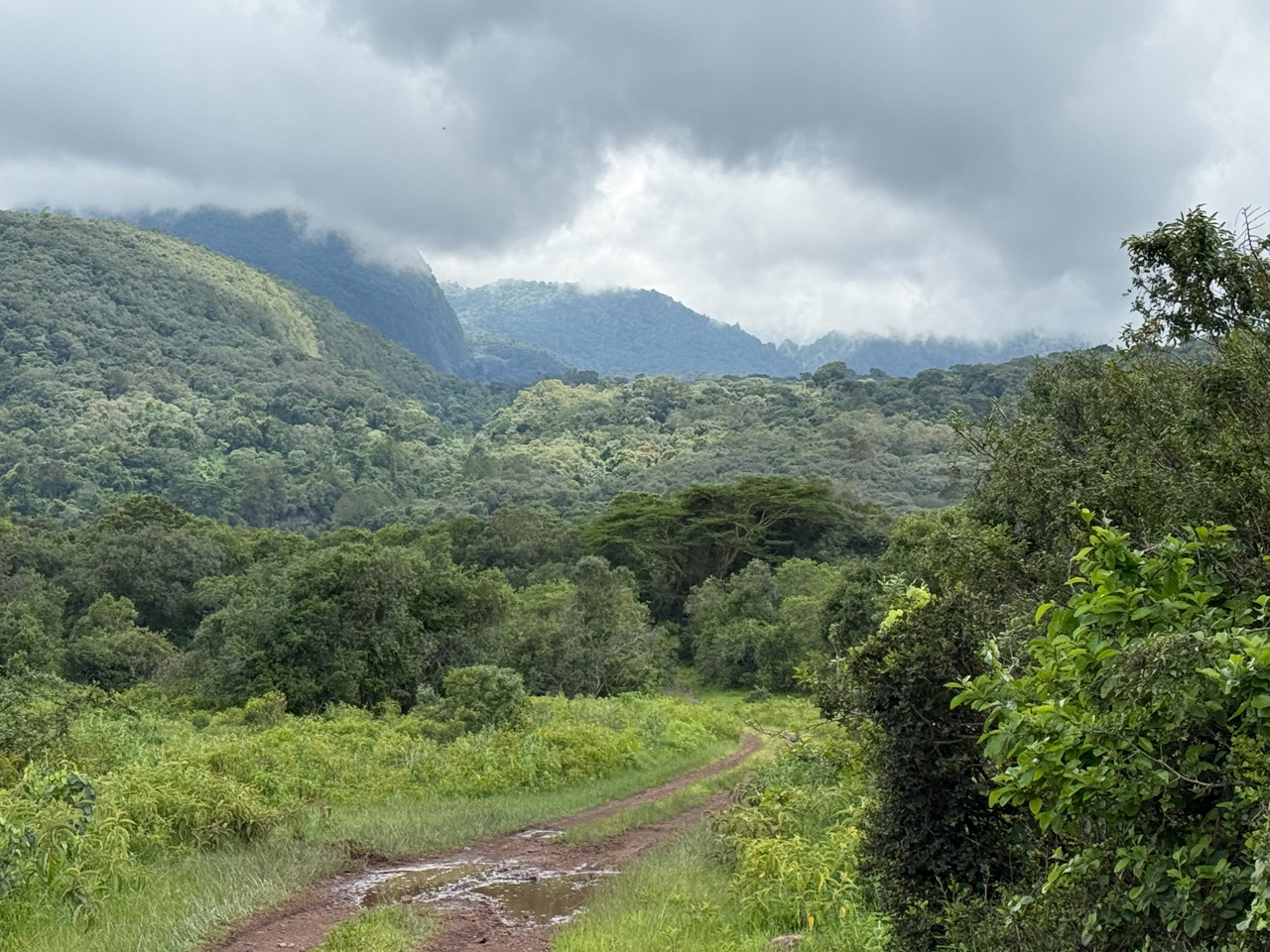
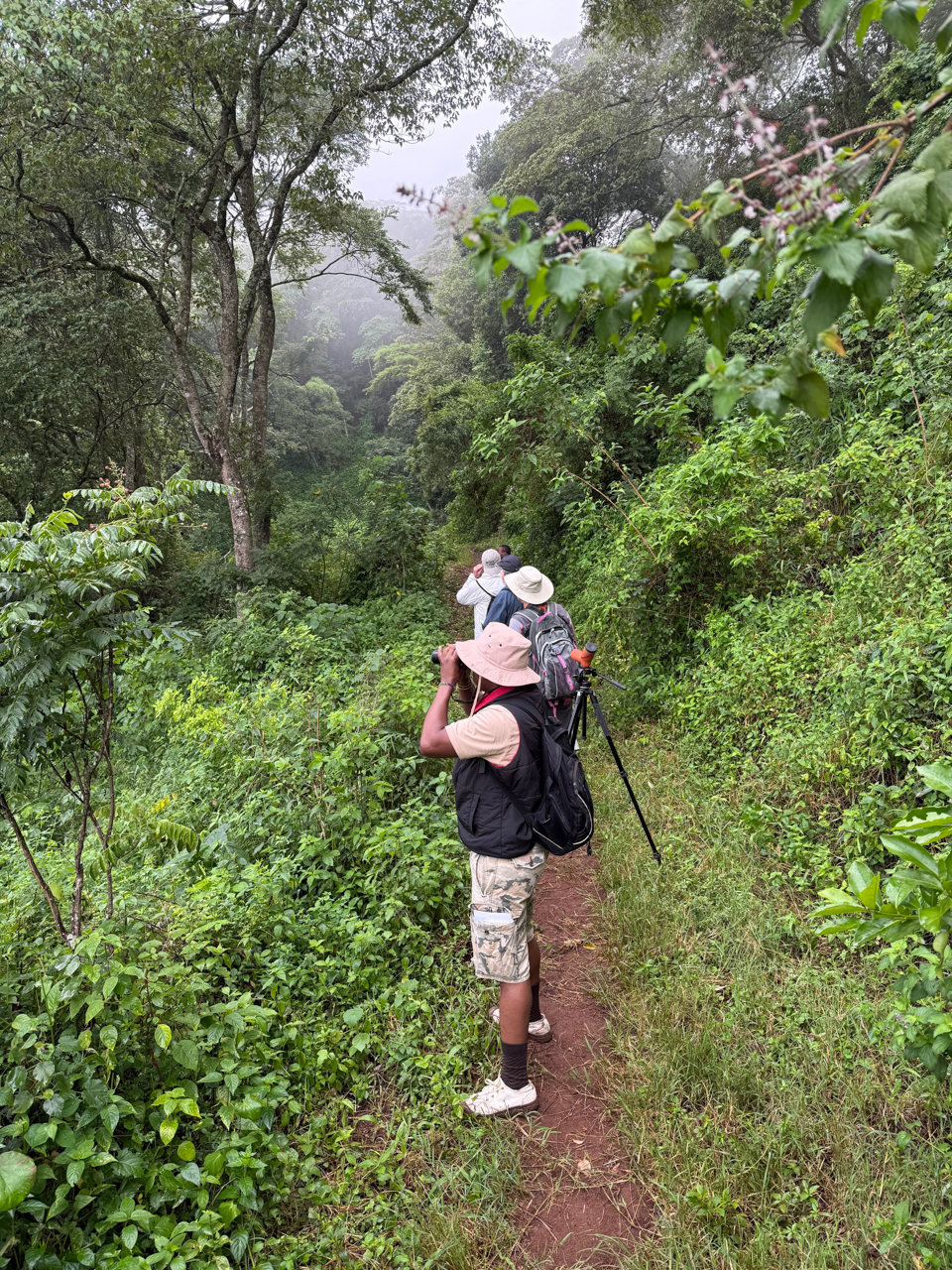
The transition from the heat of the Rift Valley to the cool Crater Highlands marked a shift in both climate and species composition. Staying at "The Retreat" near Karatu, the group conducted a morning walk in the Endoro Forest, where they observed the Schalow’s Turaco and the White-tailed Blue Flycatcher. The forest also yielded a nest of the little-known Sharpe’s Starling, a species restricted to high-altitude hill forests.
The descent into the Ngorongoro Crater, a UNESCO World Heritage site, is often the centerpiece of Tanzanian safaris. The crater floor acts as a natural enclosure for approximately 25,000 large mammals. The group’s "Crater Day" was exceptionally productive, with a total of 138 bird species logged in a single 24-hour period. Most significantly, the expedition recorded eight Black Rhinoceroses. This population is one of the most stable in East Africa, protected by the crater’s natural geography and intensive anti-poaching efforts.
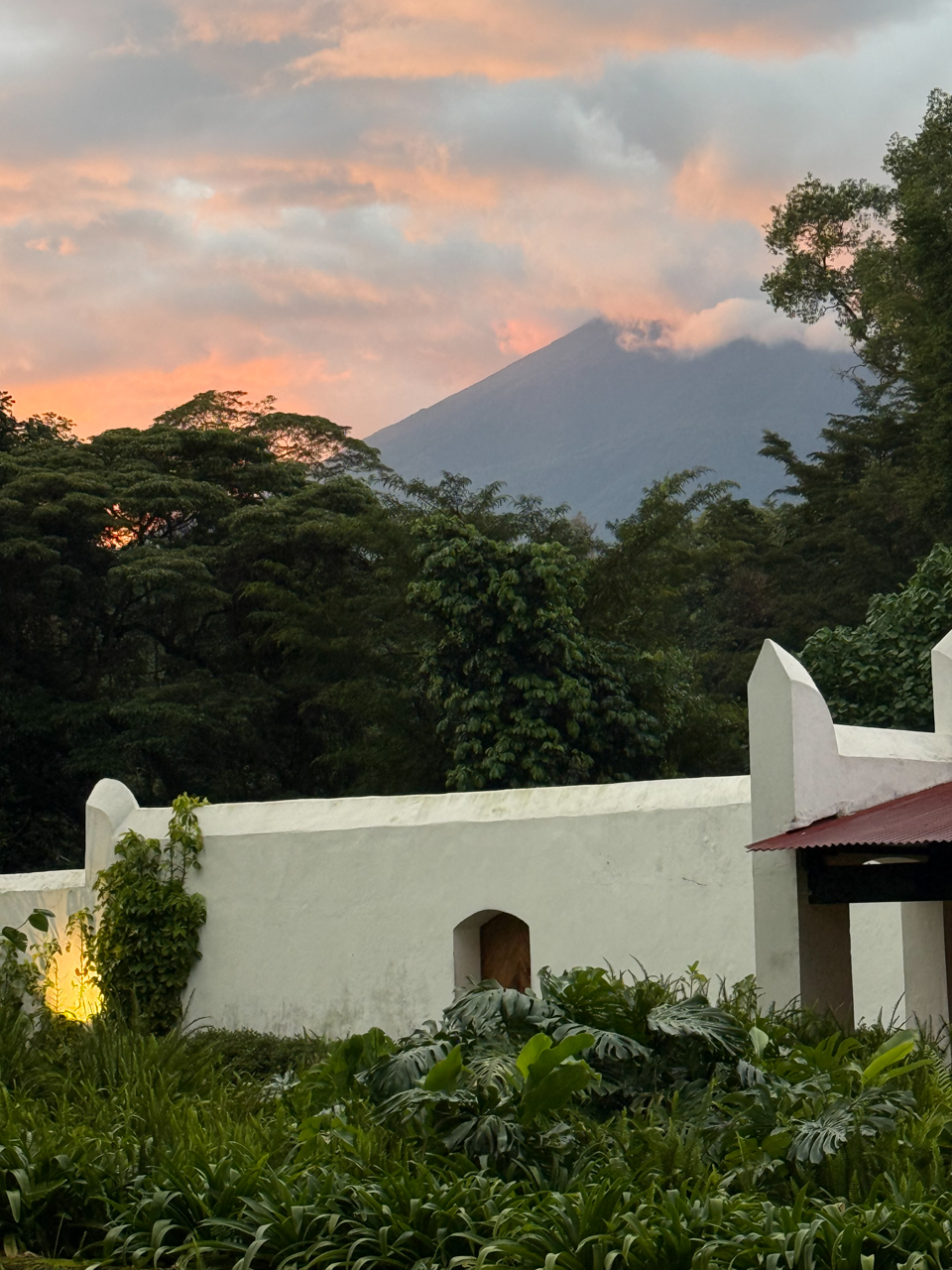
The avian diversity in the crater was further highlighted by sightings of the Yellow-billed Duck and the Rufous-bellied Heron, an austral migrant. Large raptors were also prevalent, with the Crowned Eagle and African Hawk-Eagle providing close-range views along the ascent and descent roads.
The Serengeti Ecosystem and the Wildebeest Migration
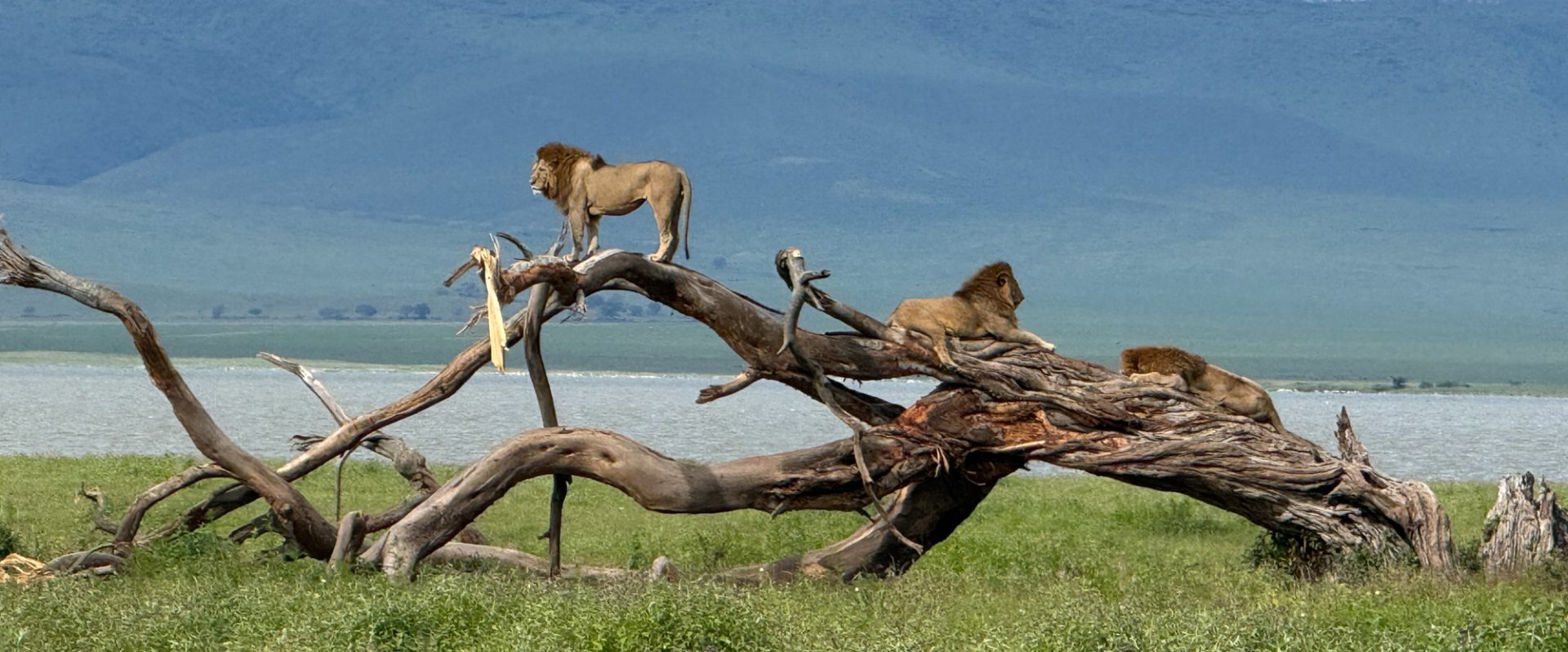
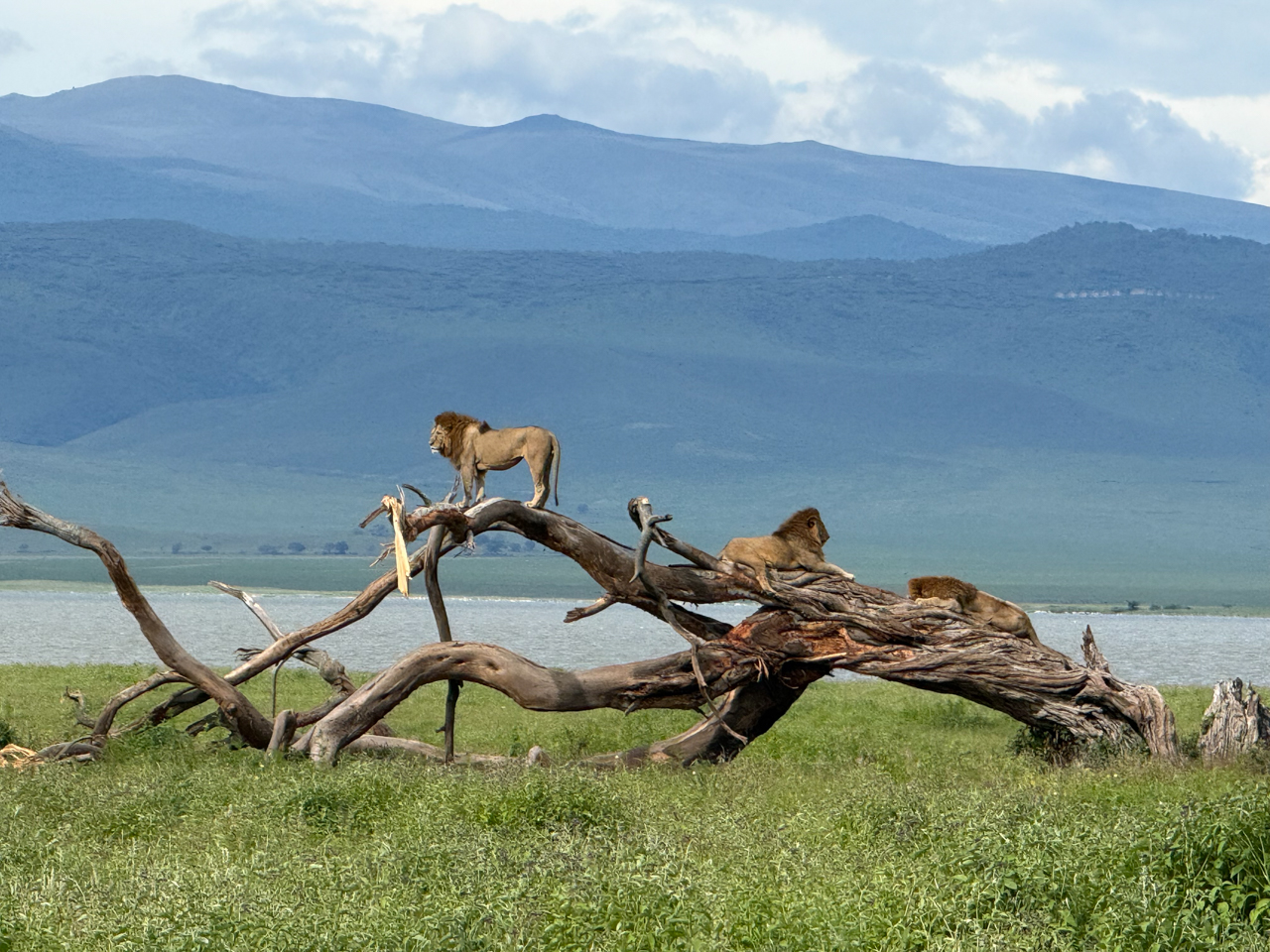
The latter half of the safari focused on the short-grass plains of Lake Ndutu and the central Serengeti. This region is the heart of the Serengeti ecosystem and was, at the time, hosting the vast herds of the Western Wildebeest migration. At Ndutu, the group witnessed the interplay between the migration and its predators, observing a pair of cheetah brothers and several lions, including a lioness resting in an acacia tree.
The Serengeti portion of the trip was particularly successful for leopard sightings. The Seronera region, often cited as one of the best locations globally for leopard observation, lived up to its reputation. The group also documented the Secretary-bird—a unique raptor that hunts on foot—observing one individual with a small snake in its beak, a classic display of the species’ predatory behavior.
The expedition concluded at Speke Bay Lodge on the shores of Lake Victoria. This location allowed for terrestrial walks, offering a reprieve from vehicle-based observation. The grounds provided sightings of the Broad-billed Roller, Three-banded Courser, and Spotted Thick-knees. The western lakeshore specialty birds, including the Northern Brown-throated Weaver and the Black-headed Gonolek, rounded out the avian list before the group flew from Mwanza back to Kilimanjaro.
Statistical Summary and Ecological Observations
The 2026 April safari provided a wealth of data regarding species distribution and density during the Green Season. The final tallies for the big cat species were as follows:
- Lions: 26 individuals
- Leopards: 3 individuals
- Cheetahs: 2 individuals
The avian count of over 400 species is a testament to the high biodiversity of the northern circuit. The inclusion of Palearctic migrants (birds breeding in Europe or Asia and wintering in Africa) alongside resident breeders in their colorful nuptial plumage provides a comprehensive view of the African avifauna.
From a conservation standpoint, the sighting of eight Black Rhinos in the Ngorongoro Crater is a positive indicator of the species’ local recovery. Furthermore, the observation of the Parasitic Weaver in Tarangire suggests that despite regional environmental pressures, the park continues to support specialized and irruptive species that require specific grassland conditions.
Broader Implications for Tanzanian Ecotourism
The success of this expedition highlights the evolving nature of the Tanzanian tourism industry. While the "Big Five" remain the primary draw for the majority of international visitors, there is a growing market for specialized birding and "all-nature" tours. This shift encourages the preservation of diverse habitats—not just the open plains favored by large mammals, but also the highland forests, alkaline lakes, and riverine thickets essential for avian life.
The ability to conduct a successful safari in April also challenges the traditional "peak season" narrative. By promoting the Green Season, the Tanzanian tourism board and private operators like EET can distribute the environmental impact of tourism more evenly throughout the year, reducing the pressure on national parks during the dry season months of July through September.
As climate patterns become increasingly unpredictable, the "balmy" weather experienced by the April 2026 group suggests that the traditional rainy seasons may be shifting or becoming more intermittent. For the safari industry, this necessitates a flexible approach to guiding and logistics, ensuring that the balance between "size" (the big game) and "detail" (the birds and smaller mammals) remains the hallmark of the East African experience. The 2026 expedition stands as a model for this balanced approach, delivering high-level results for both birders and big-game enthusiasts alike.
