
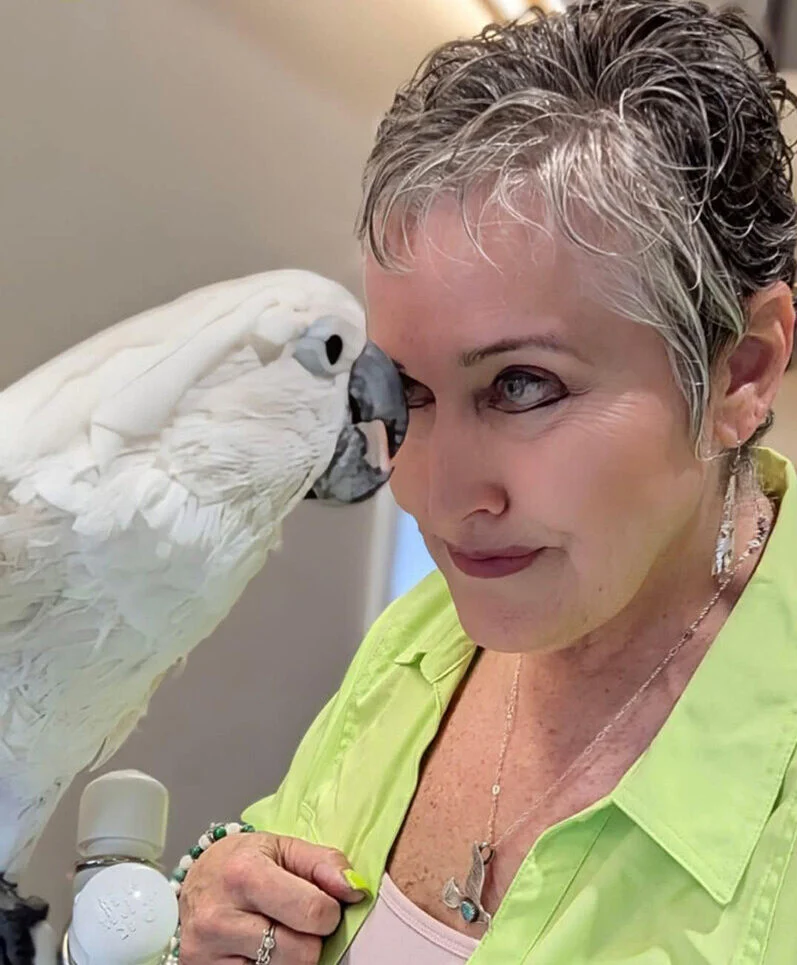
The narrative of human-animal bonds has reached a new milestone with the recognition of Boo, a 41-year-old umbrella cockatoo, as the Pet Partners Pet of the Year. This achievement marks a historic first for the organization, as Boo is the inaugural avian recipient of an award traditionally dominated by dogs and cats. His journey—from a background of abuse and a decade of total blindness to becoming a beacon of hope for individuals with disabilities—serves as a compelling case study on the rehabilitative power of the human-animal connection.
The Evolution of Animal-Assisted Intervention
Animal-assisted interventions (AAI) have transitioned from anecdotal support to a recognized therapeutic modality. Research indicates that the human-animal bond triggers a neurochemical response, specifically the release of oxytocin, which helps lower cortisol levels—the body’s primary stress hormone. According to recent surveys, approximately 18% of pet owners identify their animals as essential components of their mental health strategy, providing emotional stability in an increasingly volatile world.
Pet Partners, a nonprofit organization headquartered in Bellevue, Washington, has been at the forefront of this movement. Since its inception, the organization has standardized the training and registration of therapy animal teams. Unlike service animals, which are trained to perform specific tasks for a single handler, therapy animals are trained to provide comfort and affection to diverse groups in various environments, including hospitals, schools, and assisted living facilities. The 2026 Pet of the Year campaign, which highlighted Boo’s story, served as a massive fundraising effort, raising $158,275 to expand the reach of these therapeutic programs.
A Chronology of Resilience: The Boo Narrative
Boo’s life trajectory is divided into two distinct eras: the period of survival and the period of service.
The Early Years and Crisis (Pre-2015):
Boo spent his early life in an environment characterized by neglect and abuse. These traumatic conditions resulted in severe physical complications, most notably the loss of his vision. For roughly ten years, the cockatoo navigated his world in total darkness. During this time, he was rescued by Amy Hurst, who became his primary caregiver. Her dedication was the foundational element in his survival, as she provided the specialized care necessary for a bird with such significant physical limitations.
The Turning Point (2015–2016):
The year 2015 marked a shift in the status quo. Boo was selected for a pioneering surgical procedure intended to restore his sight. The surgery, which was documented by veterinary specialists and avian experts, was successful. The transition from darkness to sight provided Boo with a newfound agency, allowing him to interact with his environment and his handler, Amy Hurst, in a more profound, reciprocal manner.
The Service Era (2016–Present):
Following his recovery, Boo transitioned into his role as a registered therapy animal with Pet Partners. His focus areas are diverse, reflecting the versatility of avian companionship. He works with individuals on the autism spectrum, participates in physical therapy sessions, aids in stroke recovery programs, and engages with youth groups. His age—41 years—is a testament to the longevity of the species and the quality of care provided by his owner, challenging stereotypes regarding the role of exotic birds in therapeutic settings.
Fact-Based Analysis of Avian Therapy
While canine therapy is well-documented, the inclusion of an umbrella cockatoo in formal therapy settings offers unique psychological benefits. Avian behavior, characterized by high intelligence and the capacity for complex mimicry and interaction, provides a distinct sensory experience for patients.

For individuals with sensory processing disorders, the tactile experience of interacting with a bird—the texture of feathers, the rhythmic nature of their movements, and their vocalizations—can serve as a grounding mechanism. Furthermore, the patience required to interact with a bird encourages mindfulness. In stroke recovery, the motivation to interact with a living creature can improve fine motor skills, as patients often focus on gentle feeding or handling techniques, which act as subtle, enjoyable physical therapy.
The 2026 Pet of the Year Recognition
The selection of Boo for the Pet Partners Pet of the Year award was not merely a recognition of his personal story, but a strategic decision by the organization to broaden the public perception of what constitutes a therapy animal.
"Boo represents the resilience of the human-animal bond," notes a representative from the Pet Partners advisory board. "His story reminds us that trauma does not define a life; rather, it can be the starting point for a deeper capacity to offer comfort to others."
The fundraising success associated with his award—surpassing six figures—will be allocated to the recruitment and training of new volunteer handlers. This is essential, as the waiting list for therapy animal visits at clinical facilities often exceeds the current capacity of registered teams. By elevating a bird to this status, Pet Partners has effectively diversified their branding, potentially attracting a new demographic of volunteers who may not own dogs but possess exotic animals with the temperament required for therapy work.
Broader Implications for Therapeutic Animal Welfare
The success of the Boo and Amy Hurst partnership raises important questions regarding the standards of care for rescued animals. It highlights that with appropriate medical intervention—such as the surgery that restored Boo’s vision—animals previously considered "unadoptable" or "high-maintenance" can become productive, meaningful contributors to society.
However, experts caution that not all animals are suited for therapy work. The temperament of a cockatoo, a species known for its high social needs and intelligence, is not universal. The success of this specific case rests heavily on the symbiotic relationship between Hurst and Boo. Her role as a handler is as crucial as Boo’s role as an animal; she provides the structure, safety, and transportation necessary to make these sessions possible.
Future Outlook
As of mid-2025, Boo continues his weekly visits. His schedule is rigorous, yet he remains a calm, engaged participant in his sessions. The impact of his work is quantifiable through the feedback from facility administrators, who report increased engagement and decreased agitation among residents and students during his visits.
The legacy of this award will likely be a shift in the criteria used by prospective handlers to evaluate their own pets. As the field of animal-assisted therapy matures, the emphasis is moving toward the individual personality of the animal rather than the species. Boo’s tenure as Pet of the Year serves as a closing chapter to his personal history of neglect and an opening chapter for a broader understanding of the therapeutic potential found within the avian kingdom. Through his visibility, Boo is not only helping those in need but is also advocating for the potential of rescued animals to transition from victims of circumstances to agents of healing.
