
The Nutritional Composition of Raisins and Avian Metabolism
To understand the impact of raisins on poultry, one must first examine the chemical and nutritional makeup of the fruit. Raisins are produced by dehydrating grapes, a process that concentrates the fruit’s natural sugars, minerals, and vitamins. For a chicken, a single raisin represents a dense caloric package. Nutritionally, raisins are rich in several key components: potassium, which aids in nerve function and muscle control; iron, essential for oxygen transport in the blood; and magnesium, which supports bone health and metabolic processes. Additionally, raisins contain significant levels of dietary fiber and antioxidants, specifically polyphenols, which can help combat oxidative stress in the bird’s cellular structure.
However, the primary concern for poultry health is the sugar content. A standard raisin is approximately 60% to 75% sugar by weight, primarily in the form of fructose and glucose. In the context of avian metabolism, which is characterized by a higher body temperature and faster heart rate than mammals, the processing of high-glycemic foods must be handled carefully. Unlike humans, chickens do not have a long digestive tract optimized for breaking down complex or highly concentrated sugars in large volumes. When a chicken consumes excessive sugar, it can lead to a rapid spike in blood glucose levels, potentially straining the pancreas and liver over time.
The Toxicity Paradox: Why Chickens Differ from Dogs and Cats
One of the most frequent questions posed to avian veterinarians is why raisins are safe for chickens when they are known to cause acute renal failure in dogs. The exact mechanism of grape and raisin toxicity in canines remained a mystery for decades until recent research suggested that tartaric acid and its salt, potassium bitartrate, are the likely culprits. Dogs have a unique sensitivity to these compounds, which leads to rapid kidney desiccation and failure.

In contrast, chickens—and many other bird species—appear to have a higher tolerance for these specific organic acids. Evolutionary biologists suggest that because many wild birds have co-evolved with fruit-bearing plants as a primary seed dispersal mechanism, their renal systems are better equipped to filter the compounds found in grapes. Despite this tolerance, the "safe" label is relative. While raisins will not cause the immediate, acute toxic shock seen in dogs, they can contribute to chronic conditions if the bird’s system is overwhelmed by the secondary components of the fruit, such as the concentrated minerals and sugars.
Identifying the Risks: Obesity, Kidney Stress, and Choking Hazards
The primary danger associated with feeding raisins to chickens is not acute poisoning, but rather the cumulative effect of a poor diet. The most immediate risk is obesity. In the poultry industry, an overweight hen is a liability; obesity in chickens is directly linked to a decrease in egg production and a higher incidence of "prolapse," a life-threatening condition where the reproductive tract does not retract properly after laying. Furthermore, excess fat deposits around the liver can lead to Fatty Liver Hemorrhagic Syndrome (FLHS), a leading cause of sudden death in backyard flocks.
Beyond weight management, the high mineral concentration in raisins, specifically calcium and potassium, can pose a threat to kidney health when combined with standard layer feeds. Layer pellets are already formulated with high calcium levels to support eggshell formation. Introducing supplemental "sugar-bombs" like raisins can disrupt the delicate calcium-to-phosphorus ratio, potentially leading to visceral gout. This condition occurs when uric acid crystals deposit on the surface of internal organs and within the joints, causing chronic pain and organ dysfunction.
Physical safety is another concern that varies by the age and breed of the bird. For standard-sized breeds like Orpingtons or Rhode Island Reds, a raisin is a manageable morsel. However, for bantam breeds or young chicks, a leathery, dehydrated raisin can represent a significant choking hazard. The firm texture of a dried raisin does not break down as easily as fresh fruit, and if a bird attempts to swallow one whole without sufficient water or grit in the crop, it can lead to an obstruction or "crop impaction."

Expert Recommendations and the 10% Dietary Rule
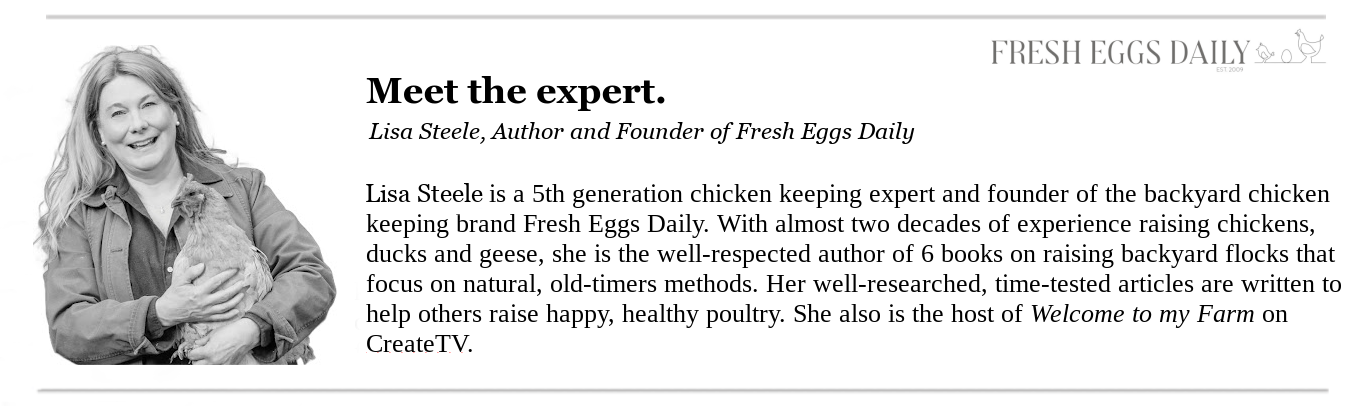
Lisa Steele, a fifth-generation chicken-keeping expert and the founder of Fresh Eggs Daily, has long advocated for a disciplined approach to treat administration. Her guidelines, which are widely accepted within the avian husbandry community, suggest that treats—including raisins, scratch grains, and kitchen scraps—should never exceed 10% of a flock’s total daily dietary intake.
To put this into perspective, a standard laying hen consumes approximately 120 grams of feed per day. Following the 10% rule, no more than 12 grams should consist of supplemental treats. Given the caloric density of raisins, this equates to roughly one to two tablespoons per bird, and even then, not as a daily staple. Experts suggest that raisins should be viewed as a high-value reward or a seasonal supplement rather than a regular dietary component.
To mitigate the risks of choking and to improve digestibility, Steele and other specialists recommend specific preparation methods:
- Hydration: Soaking raisins in warm water for 15 to 30 minutes before feeding allows them to plump up, making them softer and easier to digest.
- Fragmentation: Chopping raisins into smaller pieces ensures that even smaller birds can consume them without the risk of esophageal blockage.
- Grit Integration: Ensuring that chickens have constant access to insoluble grit (small rocks or flint) is essential when feeding any dried fruit, as the grit acts as the bird’s "teeth" in the gizzard to grind down the fibrous skin of the raisin.
Industry Response and the Evolution of Backyard Poultry Care
The shift in how backyard keepers view chicken nutrition reflects a broader trend in the "pet-ification" of livestock. As chickens move from purely functional farm animals to cherished backyard companions, the market for "chicken treats" has exploded. However, the commercialization of these treats has led to a rise in nutritional imbalances.

Veterinary pathologists have noted an uptick in "lifestyle diseases" among backyard flocks that were previously only seen in laboratory settings or extreme commercial neglect. The over-supplementation of high-sugar fruits like raisins is a hallmark of this trend. In response, poultry associations and agricultural extension offices have increased their outreach, providing owners with charts that categorize "safe," "moderate," and "toxic" foods.
The consensus among the scientific community is clear: while the occasional raisin provides a boost of antioxidants and minerals, the biological priority for a chicken is a balanced, protein-heavy diet that facilitates feather growth and egg production. The misuse of raisins—treating them as a primary food source or a daily ritual—can inadvertently shorten the lifespan of the bird.
Broader Implications for Avian Health and Sustainability
The discussion surrounding raisins is a microcosm of the larger challenges facing modern poultry management. As climate change affects crop yields and the nutritional density of grains, the reliance on supplemental feeding becomes more complex. Furthermore, the use of human-grade food for animal consumption raises questions about sustainability and resource management.
From a practical standpoint, the implications for the average owner are centered on observation and moderation. A healthy chicken should be active, have bright eyes, and maintain a consistent laying cycle. If an owner notices a lethargic bird or a sudden drop in egg quality, the first point of investigation should be the treat-to-feed ratio.

In conclusion, raisins serve as a viable, albeit potent, supplement for backyard chickens. They offer a unique profile of iron and potassium that can be beneficial during the molting season when birds require extra nutrients to regrow feathers. However, the responsibility lies with the keeper to act as a dietary gatekeeper. By adhering to the 10% rule, preparing the fruit properly to avoid physical hazards, and prioritizing high-quality commercial feed, owners can ensure their flocks enjoy the occasional sweetness of a raisin without compromising their long-term physiological integrity. The journalistic and scientific takeaway remains consistent: in the world of avian nutrition, the difference between a healthy supplement and a metabolic toxin is almost always found in the dosage.
