
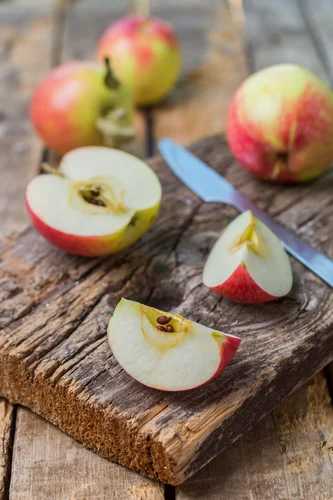
Apples serve as a cornerstone of supplemental feeding in backyard poultry management, offering a blend of essential nutrients, hydration, and behavioral enrichment for domestic flocks. While these fruits are widely regarded as safe and beneficial, the intersection of avian biology and plant chemistry necessitates a cautious approach to preparation. Specifically, the presence of cyanogenic glycosides within apple seeds introduces a potential toxicological risk that poultry keepers must mitigate through proper coring and processing. Understanding the balance between the nutritional value of the apple’s flesh and the chemical hazards found in its seeds is vital for maintaining flock health, particularly in vulnerable birds such as pullets or those with compromised immune systems.
The Nutritional Profile of Apples for Avian Health
Apples are highly palatable to chickens and provide a range of vitamins and minerals that complement standard commercial feeds. From a nutritional standpoint, apples are rich in dietary fiber, particularly pectin, which plays a significant role in maintaining gut health. In the avian digestive tract, fiber assists in the regulation of the microbiota, potentially reducing the prevalence of pathogenic bacteria while promoting the growth of beneficial organisms. This "prebiotic" effect is essential for birds, as a healthy gut is directly linked to efficient nutrient absorption and robust egg production.

Beyond fiber, apples contain significant concentrations of Vitamin C and Vitamin A. While chickens are capable of synthesizing their own Vitamin C under normal conditions, supplemental intake can be beneficial during periods of heat stress or illness. Vitamin A is crucial for the integrity of mucosal membranes and the respiratory system, acting as a first line of defense against common poultry ailments. Furthermore, the presence of antioxidants, such as quercetin and various flavonoids, helps neutralize free radicals in the bird’s body, supporting overall cellular health and longevity.
The Chemical Composition of Apple Seeds: The Cyanide Risk
The primary concern regarding feeding apples to chickens lies in the seeds, which contain a compound known as amygdalin. Amygdalin is a cyanogenic glycoside that serves as a chemical defense mechanism for the plant. When apple seeds are crushed or chewed, the amygdalin interacts with digestive enzymes to release hydrogen cyanide (HCN). Cyanide is a potent toxin that interferes with the body’s ability to utilize oxygen at the cellular level, essentially causing histotoxic hypoxia.
While the amount of cyanide in a single apple seed is minute, the cumulative effect or the ingestion of multiple seeds can be problematic for small animals. For a human, the dosage required for acute toxicity is high; however, for a chicken weighing between four and seven pounds, the margin of safety is considerably narrower. Younger birds (chicks) and senior hens are at the highest risk due to their smaller body mass and potentially less efficient metabolic processing.

Physiological Symptoms of Cyanide Poisoning in Poultry
The onset of cyanide poisoning in poultry can be rapid, as the toxin quickly enters the bloodstream and affects the central nervous system and cardiovascular health. Poultry owners should be vigilant for the following clinical signs:
- Discoloration of the Comb and Wattles: A blue or purple tint (cyanosis) indicating a lack of oxygen in the blood.
- Respiratory Distress: Labored breathing, gasping, or an increased respiratory rate.
- Neurological Impairment: Loss of coordination, tremors, or eventual loss of consciousness.
- Cardiovascular Collapse: Rapid heart rate followed by cardiac arrest in severe cases.
- Sudden Death: In instances of high-dose ingestion, birds may expire with little warning.
Broader Context: Cyanogenic Glycosides in Other Fruits
The risk of cyanide is not exclusive to apples. Several other common fruits, collectively known as stone fruits, contain similar toxic compounds within their pits or kernels. This group includes:
- Peaches and Nectarines: The large inner pit contains high levels of amygdalin.
- Plums: Like peaches, the kernel inside the hard pit is the source of danger.
- Apricots: Often cited as having some of the highest concentrations of cyanogenic glycosides in the fruit family.
- Cherries: Both the pits and the leaves of certain cherry tree varieties can be hazardous.
In most cases, a chicken’s beak is not strong enough to crack open a peach or plum pit to reach the toxic kernel. However, if a pit is damaged or starts to decay, the internal toxins may become accessible. To ensure absolute safety, agricultural experts recommend that all stone fruits be pitted and all apples be cored before being offered to the flock.

Chronology of Best Practices in Poultry Supplementation
The evolution of backyard poultry care has shifted from "kitchen scrap" feeding to a more scientific, nutritional approach. Historically, chickens were viewed as the "garbage disposals" of the farm, consuming all manner of household waste. However, as the understanding of avian toxicology has advanced, so too have the recommendations for treat preparation.
- Selection: Choose fresh, organic apples when possible to avoid pesticide residues on the skin.
- Coring: This is the most critical step. Using a coring tool or a knife, remove the entire central structure of the apple, ensuring no seeds remain.
- Slicing or Hanging: Depending on the desired level of engagement, apples can be sliced into manageable pieces or hung from a string.
- Monitoring: Observe the flock during feeding to ensure that dominant birds do not overconsume at the expense of others.
Behavioral Enrichment: The "Apple Tetherball" Method
Beyond nutrition, apples serve as a tool for environmental enrichment. Chickens are highly intelligent and inquisitive animals that can suffer from boredom, especially in confined runs during winter months. Hanging a cored apple at head height creates a "tetherball" effect. This encourages the birds to jump, peck, and interact with their food, which can reduce instances of negative behaviors such as feather picking or egg eating. This physical activity also promotes muscle tone and helps manage the weight of the birds.
The 10% Rule: Balancing the Diet
A common pitfall for novice poultry keepers is the over-supplementation of treats. While apples are healthy, they lack the high protein and calcium levels required for consistent egg production and skeletal strength. Commercial poultry feeds are scientifically formulated to provide a precise balance of nutrients.

Veterinary guidelines suggest that treats, including fruits, vegetables, and grains, should never exceed 10% of a chicken’s total daily caloric intake. For an average hen, this equates to approximately one to two tablespoons of supplemental food per day. Exceeding this limit can lead to obesity, "fatty liver hemorrhagic syndrome," and a decline in egg quality.
Broader Implications for Small-Scale Agriculture
The management of treats like apples reflects a larger trend in small-scale agriculture toward "preventative husbandry." By removing seeds and pits, farmers reduce the need for veterinary intervention and decrease the risk of unexplained flock losses. This proactive approach is particularly important as the popularity of backyard chickens grows in urban and suburban environments, where owners often view their birds as both food producers and companion animals.
Furthermore, the responsible disposal of fruit waste is an environmental consideration. Unconsumed fruit left in the coop can attract rodents or mold, both of which introduce secondary health risks like leptospirosis or mycotoxicosis. Therefore, any apple pieces not eaten within a few hours should be removed from the environment.

Conclusion: A Summary of Safe Feeding
Apples remain an excellent choice for poultry treats when handled with care. The flesh and skin provide vital fiber and antioxidants that support gut health and immune function. However, the presence of amygdalin in the seeds represents a non-negotiable risk factor that must be addressed through manual removal. By adhering to the 10% dietary rule and ensuring all fruits are cored or pitted, poultry keepers can provide their flocks with a safe, nutritious, and engaging supplement to their standard diet. This balance of nutritional science and practical safety ensures the long-term health and productivity of the domestic flock.
