
September marks a pivotal period of transition across both natural landscapes and human routines, signaling a shift from the languid days of summer to the more structured rhythms of autumn. For many, this transition is heralded by the end of family vacations, the changing of the guard in the sporting world from baseball to football, and the re-establishment of school and its myriad of associated activities as the central focus of family life. This period of flux extends into the natural world, where the intense heat of summer gradually recedes, replaced by the invigorating cool breezes characteristic of the autumn season. Flora undergoes its own metamorphosis, with blooming flowers giving way to the development of seeds and the ripening of berries, providing vital sustenance for wildlife. The verdant canopy of trees, a hallmark of summer, prepares for its brief yet spectacular transformation into a vibrant palette of fall colors, a visual spectacle that captivates observers.
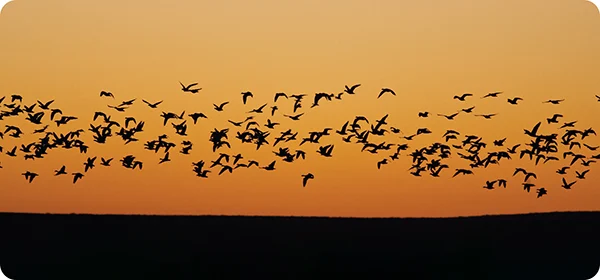
Crucially, avian populations are also deeply immersed in their own significant transitions during this time. For the majority of bird species, the demanding period of parental care has concluded, freeing them from the constant vigilance and effort required to raise young. As daylight hours shorten, a palpable sense of restlessness begins to pervade bird communities, an intrinsic biological signal that anticipates their arduous journeys to warmer wintering grounds. Concurrently, many birds are engaged in the demanding physiological process of molting. This involves the shedding of old, worn feathers and the growth of a fresh set of new plumage. These newly developed feathers are not merely cosmetic; they are absolutely critical for ensuring efficient flight, a paramount requirement for migration, and for enhancing the birds’ ability to maintain their body temperature and stay dry in potentially challenging weather conditions.
These multifaceted transitions—whether for the plants, animals, or humans—are inherently accompanied by change, and change, as the adage suggests, can indeed be a formidable challenge.
The Biological Imperative: Molting and Migration
For birds undergoing the process of molting, the physiological demands are immense. The complete replacement of an entire body of feathers is an energy-intensive and resource-demanding undertaking. This process can typically span a period of four to eight weeks, during which the bird’s requirement for protein, the fundamental building block of feathers, escalates dramatically. Concurrently, the body expends significant energy to fuel the rapid growth of this new plumage.
Migration presents an equally, if not more, intense challenge for avian species. Many migratory birds must undertake a remarkable feat of biological preparation: doubling their body weight in a matter of just a few weeks. This is achieved through a period of intense feeding, or "gorging," to accumulate substantial reserves of body fat. This stored fat serves as the primary fuel source for the sustained, long-duration flights characteristic of migration. The biological imperative to pack on the necessary fat reserves to power these journeys is all-consuming, dictating the birds’ feeding behaviors.
The importance of obtaining proper nutrition during these critical periods of molting and migration cannot be overstated. For birds, survival is intrinsically linked to their ability to successfully navigate these phases. Failure to acquire adequate nutrients can have dire consequences, jeopardizing their ability to molt effectively, migrate successfully, or survive the rigrates of winter. Consequently, the consumption of foods rich in fats and proteins becomes an absolute, non-negotiable priority for birds at this time of year.
An Opportunity for Backyard Conservationists
This natural imperative presents a unique and valuable opportunity for individuals who manage backyard bird feeders. By understanding the heightened nutritional needs of birds during September and the subsequent autumn months, backyard enthusiasts can play a crucial role in supporting these vital avian populations. Providing precisely the types of foods that birds are actively seeking—those that are high in essential fats and proteins—is a direct and effective way to assist them during this demanding transitional period.

This proactive approach not only benefits the birds by providing them with the energy and nutrients they require but also enhances the bird-watching experience for the feeder’s caretaker. A well-stocked feeder offering appropriate food choices will invariably attract a greater diversity and number of avian visitors, transforming the backyard into a vibrant hub of natural activity. This allows observers to witness the seasonal transitions firsthand, experiencing the subtle yet significant shifts in bird behavior and species composition as they unfold in their immediate environment.
Recommended Nutritional Support for Backyard Birds
To effectively cater to the elevated nutritional demands of molting and migrating birds, a strategic selection of food offerings is recommended. Products specifically formulated to be high in fat and protein are particularly beneficial. Examples of such high-energy foods include:
- WBU Plus Blends: These specially formulated seed mixes often combine a variety of seeds, nuts, and suet pellets, providing a comprehensive nutritional profile. They are designed to appeal to a wide range of bird species and offer a balanced combination of proteins, fats, and carbohydrates.
- Peanuts: Both shelled and in-shell peanuts are excellent sources of protein and fat. They are highly attractive to a variety of species, including woodpeckers, jays, chickadees, and titmice.
- Nyjer® Seed: While often associated with finches, Nyjer® seed is a small, oil-rich seed that provides valuable energy. Its small size makes it suitable for specialized feeders designed for finches, but it can also be a welcome addition for other small-seed-eating birds.
- Sunflower Chips (Shelled Sunflower Seeds): These are a highly sought-after food source due to their high fat content and the fact that they are easier for many birds to consume without the hull. They appeal to a broad spectrum of backyard birds, from cardinals and chickadees to nuthatches and titmice.
- Suet: Suet, a rendered animal fat, is an exceptionally high-energy food, particularly valuable during colder months and periods of increased activity like molting and migration. It is a favorite among woodpeckers, nuthatches, chickadees, and wrens. Many suet cakes are now formulated with added ingredients like seeds, nuts, and fruits to provide a more complete nutritional offering.
- Bark Butter® Products: These are proprietary formulations designed to provide high levels of fat and protein, often mimicking the natural food sources birds would find on tree bark. They can be spread on surfaces like trees or feeders and attract a wide array of insectivorous and nectar-feeding birds.
By offering a consistent supply of these nutrient-dense foods, backyard observers can significantly contribute to the well-being of their local bird populations. This act of conservation not only supports the birds’ survival but also enriches the human experience of observing nature.
The Science Behind the Season: Avian Physiology and Environmental Cues
The synchronized changes observed in bird populations during September are driven by a complex interplay of biological programming and environmental cues. Photoperiodism, the biological response to seasonal changes in day length, is a primary trigger for many of these physiological shifts. As days shorten, birds’ endocrine systems respond, initiating processes such as fat deposition and the hormonal signals that drive migration.
Molting, the process of feather replacement, is itself a finely tuned biological event. Adult birds typically undergo one or two molts per year, often timed to coincide with periods of reduced reproductive activity or before the onset of migration. This ensures that the growth of new, essential feathers does not conflict with the energy demands of breeding or the physiological stresses of long-distance travel. The feather renewal is crucial for maintaining insulation, waterproofing, and aerodynamic efficiency. For example, studies have shown that the thermal insulation provided by new feathers can be significantly higher than that of worn plumage, contributing to a bird’s ability to withstand colder temperatures.
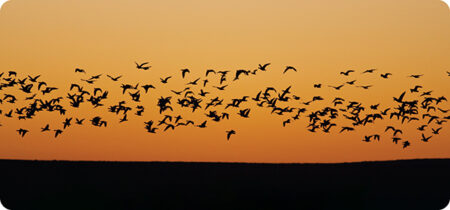
Migration itself is one of the most extraordinary phenomena in the natural world. The energy requirements for sustained flight over hundreds or even thousands of miles are immense. A bird’s ability to metabolize stored fat at an efficient rate is critical. Research has indicated that fat can provide up to twice the energy yield per gram compared to carbohydrates or proteins, making it the ideal fuel for migratory journeys. For instance, the Blackpoll Warbler, a small songbird, undertakes a remarkable non-stop flight of up to 2,700 miles across the Atlantic Ocean, a feat made possible by accumulating up to 50% of its body weight in fat prior to departure.
Broader Implications and Conservation Efforts
The importance of backyard feeding stations extends beyond individual bird welfare. In urban and suburban environments, artificial feeding can supplement natural food sources, particularly in areas where habitat fragmentation has reduced the availability of native plants and insects. This can be especially critical for species that are less adaptable to altered landscapes.
Furthermore, the practice of bird feeding contributes to citizen science initiatives. Data collected by backyard observers on bird species presence, abundance, and feeding preferences can provide valuable insights into population trends, migratory patterns, and the impact of environmental changes on avian communities. Organizations like the Cornell Lab of Ornithology, through projects like Project FeederWatch, rely heavily on the observations of dedicated backyard bird feeders to monitor bird populations across North America.

The information shared by Wild Birds Unlimited highlights the interconnectedness of human activities and the natural world. By understanding the biological needs of birds during critical transitional periods, individuals can actively participate in conservation efforts. This proactive approach not only supports the survival of numerous avian species but also fosters a deeper appreciation for the intricate ecological processes that shape our planet.
Further Learning and Resources
For those interested in delving deeper into the fascinating world of bird transitions, the Wild Birds Unlimited Nature Centered Podcast offers a wealth of expert knowledge. The episode titled "Basics of Transition" provides an entertaining and informative discussion on how to attract a wider variety of bird species to backyard feeders during the fall. Hosted by knowledgeable experts John and Brian, this podcast episode serves as an excellent resource for enhancing the bird-feeding experience and contributing to local conservation efforts. The podcast is accessible through the Wild Birds Unlimited website, along with other valuable resources on bird feeding and nature observation. This educational outreach underscores the organization’s commitment to connecting people with nature and promoting informed stewardship of the environment.
The continued observation and support of backyard bird populations during these crucial transitional periods are vital for maintaining healthy avian ecosystems and for fostering a greater connection between humans and the natural world. The simple act of providing appropriate food at the right time can have a profound positive impact on the lives of countless birds.
