
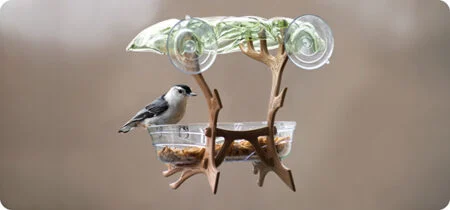
October’s arrival signals a shift in seasons, bringing with it the crisp air, vibrant foliage, and the anticipation of Halloween festivities. While children eagerly plan their costumes and candy routes, a unique perspective emerges from the world of ornithology: the playful notion that "Trick or Treat" can, in fact, be wonderfully tailored for our feathered friends. This unconventional approach, championed by experts at Wild Birds Unlimited (WBU), aims to transform the spirit of Halloween into an opportunity to enrich the lives of backyard birds, offering them both delightful surprises and nourishing sustenance.
The concept, born from a desire to connect seasonal traditions with wildlife appreciation, encourages bird enthusiasts to think beyond the typical offerings of seeds and suet. It suggests a strategic approach to attracting and delighting birds, drawing parallels between the playful elements of Halloween and the needs of avian populations. This initiative, which has been gaining traction among bird lovers, presents a novel way to engage with nature during a time often dominated by human-centric celebrations.
Enticing Avians: The Art of the "Trick"
The WBU’s perspective on "tricks" for birds is rooted in understanding their natural behaviors and sensory perceptions. Far from being deceptive, these are clever strategies designed to enhance their experience in a backyard habitat. One of the most effective "tricks" is the strategic use of water.
The Allure of Moving Water:
The sound of moving water acts as a powerful magnet for birds. This auditory cue signals a potential source of hydration and bathing, essential elements for their well-being. The addition of a water feature, such as a bird bath with a circulating pump or a dripper, can significantly increase the likelihood of attracting new species to a yard. Studies have shown that the presence of water can double the diversity of bird species visiting a garden. This is particularly true during drier periods or when natural water sources may be scarce. The gentle sound not only draws them in but also provides a safe and inviting space for them to drink and preen.
Accelerating Discovery: The Seed Scattering Tactic:
Introducing new feeders or food types can sometimes be a slow process for birds, as they rely on visual cues to locate sustenance. To expedite this discovery, a simple yet effective "trick" involves scattering a small amount of the new seed on top of, or beneath, the feeder. Birds, being highly visual creatures, are more likely to notice the scattered seeds and subsequently investigate the nearby feeder. This method leverages their natural foraging instincts, making it easier for them to find and adopt new food sources. This technique is especially beneficial for less common or higher-energy seeds that might not be immediately recognized.
The "Treats" Birds Deserve: Nourishment and Delight
While the "tricks" are about attraction and discovery, the "treats" are about providing exceptional nourishment and variety, moving beyond the everyday fare. This is where the WBU truly shines, offering specialized products designed to appeal to a wide array of avian palates.
Jim’s Birdacious® Bark Butter®: A Feathered Favorite
One of the standout "treats" highlighted by WBU is Jim’s Birdacious® Bark Butter®, a highly palatable spreadable suet. This unique product has gained renown for its ability to attract birds that might not typically visit traditional feeders. Its popularity stems from its rich, protein-packed formula and its versatility.
- Proven Appeal: Bark Butter has been documented to attract an impressive 155 different bird species across North America, underscoring its broad appeal. This includes many insectivorous birds that may be more hesitant to feed from standard seed feeders.
- Strategic Application: The "trick" to maximizing its appeal, as suggested by WBU, is to smear it on the side of a favorite tree or on top of an active feeder. This placement makes it easily accessible and visible to birds as they navigate their environment. The semi-solid nature of Bark Butter allows it to adhere to various surfaces, offering flexibility in its deployment.
The Nutritional Power of Peanuts:

Peanuts are another excellent "treat" that provides a significant energy boost for a diverse range of birds. Their high fat and protein content makes them an ideal food source, especially during cooler months when birds need to maintain their body temperature.
- Wide-Ranging Appeal: Birds that readily consume peanuts include woodpeckers, titmice, nuthatches, chickadees, and bushtits. These smaller species benefit greatly from the calorie-dense nature of peanuts.
- The Corvid Connection: Jays, in particular, have a strong affinity for peanuts, especially those still in their shells. Their natural instinct to cache food for later use means they will actively collect and hide peanuts. A single jay can reportedly bury up to 100 peanuts in a single day, quickly emptying a feeder. This behavior also has an ecological benefit, as some cached peanuts may germinate, contributing to tree regeneration. Observations have shown jays traveling considerable distances, up to six miles, to bury these nutritious treasures.
Beyond Seeds and Suet: A Symphony of Flavors
The WBU initiative extends to other specialized treats that cater to the specific dietary needs and preferences of various bird species:
- Mealworms for Bluebirds: Live or dried mealworms are a favorite of bluebirds, providing them with essential protein and a readily digestible food source.
- Fruit and Jelly for Orioles: These vibrant birds have a sweet tooth and are attracted to offerings of fruit, such as oranges and grapes, as well as jellies, particularly grape jelly.
- Nectar for Hummingbirds: For the smallest of backyard visitors, a specially formulated nectar solution is crucial. This sugar-water mixture, typically a 4:1 ratio of water to sugar, mimics the natural nectar they seek from flowers.
A Deeper Dive: The Science and Significance of Bird Feeding
The practice of feeding wild birds, often referred to as bird feeding or backyard birding, has evolved from a simple act of goodwill to a recognized hobby with scientific and ecological implications. The WBU, as a pioneer in this field, emphasizes the importance of providing high-quality food and appropriate feeders to support local bird populations.
Historical Context of Bird Feeding:
The concept of feeding wild birds dates back centuries, with early instances likely involving farmers leaving out grain for pest control. However, the modern hobby of backyard bird feeding began to gain momentum in the late 19th and early 20th centuries with the advent of commercially available birdseed and feeders. During times of scarcity, such as harsh winters, intentional feeding became more prevalent. The establishment of organizations dedicated to bird conservation and education further fueled interest in backyard birding.
The Role of Nutrition in Avian Health:
Providing supplemental food can be crucial for bird survival, especially during challenging environmental conditions. High-quality bird food offers essential nutrients that birds may struggle to find in sufficient quantities from natural sources alone.
- Energy and Survival: During winter, birds expend significant energy to stay warm. Fat-rich foods like suet and high-energy seeds are vital for maintaining their body temperature and surviving prolonged periods of cold.
- Reproductive Success: Adequate nutrition is also critical for successful breeding. Birds require a balanced diet to produce healthy eggs and fledge young. Supplemental feeding during the breeding season can improve nesting success rates.
- Species Diversity: Different bird species have distinct dietary needs. Offering a variety of foods and feeders can attract a wider array of birds to a backyard, fostering greater biodiversity. For example, finches prefer small seeds, while larger birds like jays and woodpeckers are drawn to nuts and suet.
The WBU Approach: Education and Quality:
Wild Birds Unlimited distinguishes itself by focusing on educating consumers about the best practices for bird feeding and offering high-quality products. This includes:
- Expert Advice: WBU stores are staffed by knowledgeable individuals who can provide personalized recommendations based on local bird species and environmental conditions.
- Quality Seed Blends: They emphasize the use of pure, high-quality ingredients in their seed blends, avoiding fillers and artificial additives that can be detrimental to birds.
- Durable Feeders: WBU offers a range of well-designed, durable feeders that are easy to clean and maintain, ensuring the health and safety of the birds.
Broader Implications and Environmental Impact
The "Trick or Treat for the Birds" initiative, while seemingly lighthearted, carries broader implications for environmental awareness and conservation. By engaging people with their local wildlife through accessible and enjoyable means, it fosters a deeper connection with nature.
Increased Wildlife Observation and Appreciation:

As more individuals participate in bird feeding, there is a corresponding increase in wildlife observation. This heightened awareness can lead to a greater appreciation for the natural world and its inhabitants. People become more attuned to the changes in seasons, the migration patterns of birds, and the ecological roles they play.
Contribution to Citizen Science:
Bird feeding enthusiasts often become citizen scientists, contributing valuable data to ornithological research. Bird counts, species observations, and feeding behavior records can inform conservation efforts and help scientists understand population trends, habitat use, and the impact of environmental changes. The WBU Nature Centered Podcast episode, "Treats for Birds. No Tricks," further encourages this engagement by providing informative content on bird care and conservation.
Ecological Benefits of Bird Feeding:
Beyond direct sustenance, bird feeding can have indirect ecological benefits:
- Pest Control: Many bird species that visit feeders also consume insects, acting as natural pest controllers in gardens and agricultural areas.
- Seed Dispersal: Birds that consume fruits and seeds play a vital role in seed dispersal, helping to regenerate plant life and maintain healthy ecosystems.
Conclusion: A Harmonious Halloween for All
The message from Wild Birds Unlimited is clear: Halloween can be a time for giving, not just for candy, but for the natural world around us. By understanding the simple "tricks" of attraction and providing nutritious "treats," individuals can transform their backyards into havens for birds. This initiative not only enriches the lives of our feathered neighbors but also deepens our own connection to nature, reminding us that the spirit of generosity can extend to all living beings. As the leaves fall and the nights grow longer, the joy of watching a diverse array of birds flock to a well-provisioned feeder offers a unique and rewarding way to celebrate the season. Halloween, indeed, can be a truly delightful occasion for the birds, and by extension, for us all.
