
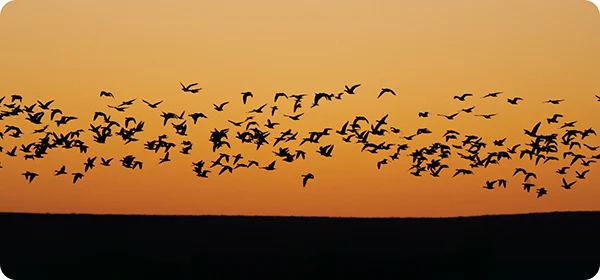
September marks a pivotal period of transition across natural ecosystems, signaling a shift from the abundant warmth of summer to the crisp, cooler air of autumn. This annual metamorphosis is not only visually striking, with foliage ablaze in vibrant hues and the landscape preparing for dormancy, but it also presents significant challenges and opportunities for the avian populations that inhabit our backyards and wild spaces. For birds, this season is characterized by intense physiological demands driven by molting and the impending journey of migration, making proper nutrition paramount for survival.
The Biological Imperative: Molting and Migration
As daylight hours diminish, a cascade of biological changes is initiated within birds. Parental duties, which occupied much of the spring and summer, conclude, allowing birds to focus inward on their own needs. One of the most critical processes underway is molting, the natural shedding and regrowth of feathers. This is not a trivial event; a bird’s entire plumage is replaced over a period of four to eight weeks. Feathers are intricate structures essential for insulation, waterproofing, and, most importantly for migratory species, efficient flight. The growth of new feathers is a metabolically expensive undertaking, demanding a substantial increase in protein intake. Protein is the fundamental building block of keratin, the primary component of feathers. During this vulnerable period, birds are essentially rebuilding their primary tools for survival.
Simultaneously, many bird species begin to prepare for migration, a remarkable feat of endurance and navigation. This preparation often involves a significant increase in body mass, primarily through the accumulation of fat reserves. Some species can effectively double their body weight in the weeks leading up to their departure. This stored energy is crucial to fuel the long, arduous flights that can span thousands of miles, often with limited opportunities for refueling. The drive to accumulate this vital fuel is all-consuming, pushing birds to seek out the most calorically dense food sources available.
The convergence of these two demanding processes – molting and migration preparation – creates an unprecedented nutritional requirement. Birds cannot afford to be lax in their foraging efforts; failure to obtain adequate protein for feather replacement or sufficient fat for migration can have fatal consequences. Consequently, their dietary priorities shift dramatically towards foods rich in fats and proteins. This is the biological imperative that dictates their behavior and their search for sustenance during this transitional phase.
The Human Opportunity: Supporting Avian Transitions
For backyard bird enthusiasts, the month of September presents a unique opportunity to play a supportive role in the lives of their avian visitors. By understanding the heightened nutritional needs of birds during this period, individuals can make informed choices about the types of food they offer at their feeders. Providing high-quality, energy-dense foods can make a tangible difference in a bird’s ability to successfully molt, build fat reserves, and embark on its migratory journey.
Wild Birds Unlimited (WBU), a leading retailer of backyard bird feeding supplies, emphasizes this critical juncture. According to their expertise, offering a curated selection of foods can significantly benefit local bird populations. This includes specialized blends designed to meet these elevated demands, such as WBU Plus Blends, which are formulated with a higher concentration of energy-rich ingredients. Other highly beneficial offerings include whole peanuts, which are excellent sources of protein and fat, and Nyjer® seed, a favorite among finches, providing essential oils. Sunflower chips, known for their high fat content, and suet, a dense source of animal fat, are also crucial components of a fall feeding strategy. Additionally, WBU’s proprietary Bark Butter® products are designed to attract a wide variety of birds with their protein-rich composition.
By strategically stocking feeders with these nutrient-rich options, individuals can transform their backyards into vital refueling stations for birds. This not only aids the birds in their natural processes but also enhances the bird-watching experience for the feeder’s owner. A well-provisioned feeder can become a focal point for observing the diverse array of species passing through, as well as those that overwinter in the region. The reward for the human observer is the continued presence and activity of birds, a testament to their successful support.

Scientific and Ecological Context
The phenomenon of molting and migration preparation is a well-documented aspect of avian biology. Ornithologists have extensively studied the physiological adaptations that enable birds to undertake these demanding life stages. Research published in journals such as The Auk: Ornithological Advances and the Journal of Avian Biology consistently highlights the direct correlation between nutritional availability and the success rate of both molting and migration.
For instance, studies on migratory birds like warblers and shorebirds have revealed that individuals in environments with abundant food resources exhibit faster molt rates and achieve higher pre-migratory body masses, leading to improved survival rates during their journeys. Conversely, birds in areas with limited food availability may experience delayed molting or reduced migratory success, increasing their vulnerability to predation and starvation.
The ecological implications are far-reaching. Healthy migratory bird populations contribute to the dispersal of seeds, pollination of plants, and insect control, playing vital roles in ecosystem balance. The decline in migratory bird populations observed in recent decades, often attributed to habitat loss and climate change, underscores the importance of supporting these species, particularly during their most vulnerable periods. Providing supplemental nutrition in backyards can, in a small but significant way, contribute to the conservation of these important populations.
Expert Insights and Educational Resources
The importance of understanding avian transitions is amplified through various educational initiatives. The WBU Nature Centered Podcast, for example, dedicates episodes to exploring these complex biological processes. In their episode titled "Basics of Transition," hosts John and Brian delve into the intricacies of molting and migration, offering practical advice for backyard bird feeders. This podcast serves as a valuable resource for the public, demystifying the challenges faced by birds and empowering individuals to provide effective support.
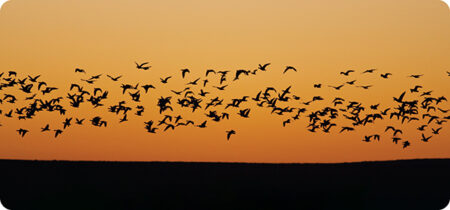
According to the podcast’s hosts, the shift in bird behavior during autumn is a clear indicator of their internal biological clocks at work. They emphasize that what might appear as a simple change in feeding habits is, in reality, a survival strategy honed over millennia of evolution. By offering a diverse and nutrient-rich diet, backyard hosts can observe and appreciate the full spectrum of avian life, from the smallest finches to larger songbirds, all engaging in their essential preparations for the coming winter.
The information disseminated through such platforms is crucial for fostering a greater appreciation and understanding of the natural world. It transforms passive observation into active participation in conservation efforts, making individuals feel more connected to the ecological processes occurring in their own environments.
Broader Impact and Future Considerations
The actions taken by individuals to support migratory birds during their transitional periods have a ripple effect that extends beyond individual backyards. A collective effort to provide high-quality food sources can contribute to healthier regional bird populations, which in turn impacts the broader ecosystem. As climate change continues to alter migration patterns and the availability of natural food sources, the role of supplemental feeding becomes increasingly significant.
Furthermore, the practice of bird feeding fosters a deeper connection with nature for many people. It provides opportunities for education, relaxation, and a sense of stewardship. The knowledge gained about bird biology and ecology through observation and engagement can translate into broader environmental awareness and advocacy.

Looking ahead, continued research into the specific nutritional needs of various bird species during molting and migration will be essential. Understanding regional differences in food availability and the impact of environmental changes on these processes will allow for more targeted and effective conservation strategies. The partnership between scientific research, educational outreach, and the engaged efforts of backyard bird feeders is vital for ensuring the continued health and vitality of avian populations for generations to come. The simple act of filling a bird feeder with the right food is, in essence, an act of ecological support, a contribution to the intricate and vital web of life that sustains our planet.
