
October’s crisp air and changing foliage signal more than just the arrival of Halloween; for bird enthusiasts, it marks a prime opportunity to enhance their backyard avian populations with special treats that go far beyond sugary confections. While humans indulge in costumes and candy, the focus shifts to providing feathered friends with high-energy, nutrient-rich foods that can make a significant difference in their well-being, especially as the seasons transition and natural food sources become scarcer. Wild Birds Unlimited (WBU), a leading retailer and advocate for backyard bird feeding, highlights innovative and effective ways to attract and nourish a diverse array of bird species through strategic food offerings and habitat enhancements.
Enticing Avian Visitors: Strategic "Tricks" for Backyard Birding
The adage "it’s not nice to fool Mother Nature" takes on a different meaning in the context of backyard bird feeding. Instead of deception, WBU advocates for intelligent strategies, or "tricks of the trade," designed to pique the curiosity and satisfy the nutritional needs of birds. One of the most universally effective methods is the introduction of moving water. The gentle sound of circulating water from a pump or dripper acts as a powerful magnet, drawing birds from a distance. This auditory cue not only attracts them to the water source but also often leads them to discover nearby feeders and the culinary delights they offer. Studies on avian sensory perception consistently indicate that sound plays a critical role in habitat selection and foraging, making water features a scientifically backed method for increasing bird presence.
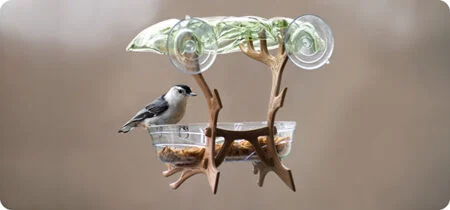
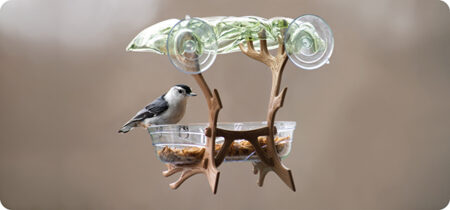
Introducing new feeders or food types can sometimes be a slow process for birds, as they rely on established routines and familiar foraging grounds. To accelerate this discovery, WBU suggests a simple yet effective technique: scattering a small amount of the new seed on top of or beneath the feeder. Birds are primarily visual foragers, and this readily visible food acts as an initial lure, guiding them to the feeder and encouraging them to investigate the new offerings. This method leverages their natural foraging behaviors, making the transition to new food sources smoother and faster. The success of such strategies is often measured by the increased diversity and frequency of bird visits, a metric WBU stores meticulously track and use to advise their customers.
The Ultimate "Treats": Nourishing Birds Beyond the Usual Seed Mix
While standard seed and suet mixes form the staple diet for many backyard birds, WBU emphasizes the importance of offering "treats" – special foods that provide concentrated nutrition and appeal to a wider range of species, including those less inclined to visit conventional feeders. This concept of supplemental feeding is particularly crucial in autumn and winter when natural insect populations dwindle, and fruits and seeds become less abundant.
A standout "treat" promoted by WBU is Jim’s Birdacious Bark Butter. This unique, spreadable suet formulation has gained renown for its ability to attract birds that typically do not frequent feeders. Its high fat and protein content make it an irresistible energy source. Documented evidence indicates that Bark Butter has attracted an impressive 155 different bird species across North America, underscoring its broad appeal. The "trick" to maximizing its effectiveness, as with other new food introductions, is strategic placement. Smearing it on the bark of a favored tree or on top of an active feeder ensures maximum visibility and accessibility for curious avian visitors. The success of Bark Butter can be attributed to its palatability and its ability to mimic natural food sources like tree sap and insects, which are rich in essential nutrients.
Peanuts, in their various forms, are another highly regarded treat for birds. They are a dense source of energy, protein, and healthy fats, making them an excellent choice for a wide variety of species. Woodpeckers, titmice, nuthatches, chickadees, and bushtits are all avid peanut consumers. Jays, in particular, have a notable fondness for peanuts, especially those still in the shell. Their intelligence and hoarding instincts lead them to actively cache peanuts for later consumption, often burying up to 100 in a single day. This behavior can rapidly deplete a feeder, showcasing the intense appeal and high nutritional value of peanuts. Observations of jays making repeated trips to feeders and flying considerable distances – up to six miles – to bury their prized nuts highlight the importance of this food source for their survival and energy reserves. The nutritional profile of peanuts, rich in calories and essential fatty acids, is vital for birds preparing for migration or enduring colder weather.
Beyond Bark Butter and peanuts, a variety of other specialized treats cater to specific bird species. For bluebirds, live or dried mealworms are a delicacy. Orioles, with their preference for nectar and fruit, readily respond to offerings of fruit slices and specially formulated jelly. Hummingbirds, of course, are famously drawn to nectar, a high-energy sugar solution that fuels their rapid metabolism. These specialized treats not only diversify a bird’s diet but also attract species that might otherwise overlook a typical backyard setup, thus enriching the overall bird-watching experience. The availability of these diverse food sources can directly impact breeding success and overwintering survival rates, particularly in urban and suburban environments where natural food availability may be limited.

A Deeper Dive into Bird Nutrition and Habitat Enhancement
The concept of providing "treats" for birds extends beyond mere indulgence; it is a critical component of responsible backyard bird management. As natural food sources fluctuate due to weather patterns, agricultural practices, and habitat loss, supplemental feeding becomes increasingly important. This is especially true during periods of environmental stress, such as droughts or prolonged cold snaps, when birds are more vulnerable.
Supporting Data on Bird Nutrition:
- High-Energy Foods: Seeds like sunflower, safflower, and nyjer, along with suet and peanuts, are rich in fats and proteins, essential for maintaining body temperature and energy levels, particularly during colder months. A single black oil sunflower seed, for example, contains a significant amount of fat, providing sustained energy.
- Micronutrients: While energy is paramount, fruits and insects (or their equivalents in specialized foods) provide essential vitamins and minerals crucial for immune function, feather health, and reproduction. Mealworms, for instance, are a good source of protein and chitin.
- Hydration: Access to clean water is as vital as food. Birds use water not only for drinking but also for bathing, which helps maintain feather condition and regulate body temperature. A consistent water source can be the deciding factor in whether a bird species visits or stays in an area.
Chronology of Seasonal Feeding Needs:
- Spring: As birds return from migration and begin nesting, protein becomes critical for egg production and feeding young. Insects and high-protein seeds are paramount.
- Summer: Nestlings require a diet rich in protein and calcium. Adult birds also benefit from varied food sources as they molt.
- Autumn: Birds begin building fat reserves for migration and overwintering. High-fat seeds and suet become increasingly important.
- Winter: With natural food sources scarce, high-energy foods are essential for survival. Access to unfrozen water is also critical.
Official Responses and Broader Implications
Wild Birds Unlimited, through its extensive network of stores and its commitment to education, plays a significant role in informing the public about best practices in backyard bird feeding. Their emphasis on providing species-specific food and creating inviting habitats reflects a growing understanding of avian ecology and conservation needs. By framing these offerings as "treats," they make the concept accessible and engaging for a broad audience, encouraging participation in a hobby that benefits both humans and wildlife.
The implications of effective backyard bird feeding extend beyond personal enjoyment. Well-managed feeding stations can act as vital ecological stepping stones, supporting bird populations that might otherwise struggle in fragmented or degraded habitats. They contribute to citizen science efforts, as many birdwatchers contribute their sightings to databases, helping researchers track bird populations, migration patterns, and the impact of environmental changes.
Furthermore, the act of observing and caring for birds has been linked to improved mental well-being, stress reduction, and a greater appreciation for nature. In an increasingly urbanized world, backyard bird feeding provides a tangible connection to the natural environment, fostering a sense of stewardship and encouraging conservation efforts. The WBU approach, therefore, represents a harmonious integration of hobby, education, and ecological responsibility, demonstrating that even small actions in our backyards can have a positive ripple effect on the natural world.
The Nature Centered Podcast: An Educational Resource
To further educate enthusiasts on these practices, WBU offers resources such as their "Nature Centered" podcast. An episode titled "Treats for Birds. No Tricks." directly addresses the strategies discussed, with hosts John and Brian providing in-depth advice on how to best treat avian visitors. This commitment to education underscores WBU’s mission to "bring people and nature together." Such platforms are invaluable for disseminating scientifically sound information and promoting ethical and effective bird feeding practices to a wide audience. The podcast serves as a testament to the organization’s dedication to fostering a deeper understanding and appreciation for backyard wildlife.
Conclusion
As Halloween concludes and the season of giving truly begins, the focus on providing beneficial "treats" for birds is more relevant than ever. By employing clever "tricks" like strategic water features and food placement, and by offering a diverse range of high-energy, nutrient-rich foods such as Bark Butter and peanuts, individuals can transform their backyards into havens for avian life. This not only enhances the bird-watching experience but also contributes to the health and survival of local bird populations, demonstrating that a little thoughtful effort can indeed make Halloween, and indeed the entire year, a delightful time for the birds.
