
By WBU Inc | Hobby
The concept of "feasting," typically defined as the consumption of an elaborate meal often accompanied by entertainment to mark a special occasion, resonates deeply with many during the Thanksgiving season. For countless individuals and families, this period involves gathering around tables laden with seasonal delicacies, sharing in abundance with loved ones. The entertainment facet of this definition can encompass a wide array of activities, from engaging in games and puzzles to enjoying outdoor pursuits or the collective experience of watching sports and films. Increasingly, for a growing segment of the population, this familial entertainment includes the observation and sharing of activities at backyard bird feeders. This practice presents an opportunity to extend the spirit of togetherness and appreciation to the avian inhabitants of our environments, treating them with a similar sense of familial inclusion.
The tradition of Thanksgiving, rooted in harvest festivals and historical commemorations, has evolved into a national holiday characterized by gratitude and communal sharing. While the human element of feasting is central, the idea of extending this generosity to wildlife, particularly birds, aligns with a broader appreciation for nature and ecological interconnectedness. The act of providing for birds during a time of human plenty can be seen as a reciprocal gesture, acknowledging their role in the ecosystem and offering them sustenance during a period that can be challenging for many species due to changing weather patterns and resource availability.
Curating a Celebratory Menu for Avian Guests
To effectively include feathered friends in this concept of feasting, their "table" requires meticulous attention, mirroring the care taken with human celebrations. This involves ensuring clean feeders, a consistent supply of fresh water, and the provision of high-quality food offerings. The foundation of such a menu typically begins with premium seed blends, a vital source of energy and nutrients for a diverse range of birds. Suet, particularly during colder months, offers a high-fat, high-calorie option that is crucial for maintaining body temperature and energy levels. Nyjer® seed, with its small size and high oil content, is a particular favorite of finches and other small seed-eating birds, adding a specialized delicacy to the offering.
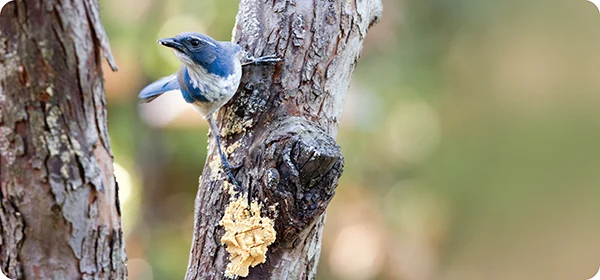
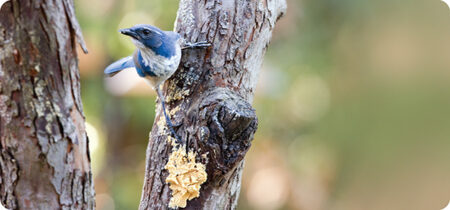
Beyond these staples, the avian feast can be enriched with additional offerings that cater to varied dietary needs and preferences. Peanuts, whether shelled or in the shell, are a rich source of protein and fat, enjoyed by jays, woodpeckers, and chickadees. Bark Butter® products, a proprietary blend developed by Wild Birds Unlimited, offer a versatile and highly palatable food source that can attract a wide array of insectivorous and omnivorous birds, including warblers, wrens, and nuthatches. Specialty seed blends, such as the Winter SuperBlend®, are formulated to provide a balanced and calorically dense mix of seeds, nuts, and grains specifically designed to meet the nutritional demands of birds during the colder seasons. The careful selection and combination of these food items can transform a simple bird feeder into a vibrant buffet, attracting a wider variety of species and providing them with the energy needed to thrive.
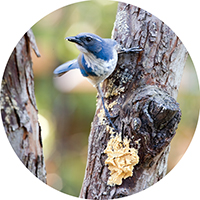
The implications of providing such varied and nutritious food sources extend beyond mere sustenance. It supports bird populations through periods of scarcity, potentially increasing their survival rates. This practice also offers invaluable opportunities for observation and learning, allowing humans to connect with nature on a deeper level. The vibrant activity at a well-stocked feeder can indeed become a significant source of entertainment, offering visual and auditory delights that contribute to the overall festive atmosphere of the season.
The Broader Significance of Bird-Friendly Practices
The concept of feasting with feathered friends also extends to the human enjoyment of accompanying refreshments. The suggestion to pair a cup of shade-grown, bird-friendly coffee with a slice of pumpkin or apple pie highlights a thoughtful connection between human indulgence and ecological responsibility. Shade-grown coffee farms play a critical role in preserving forest canopies, which are vital habitats for numerous species of North American migratory songbirds during their wintering periods in the tropics. These forests provide essential food sources, shelter, and breeding grounds.
The preservation of these habitats is not merely an environmental concern; it has direct implications for bird populations that migrate to and from North America. By choosing shade-grown coffee, consumers directly support agricultural practices that maintain biodiversity and contribute to the long-term survival of migratory bird species. This conscious choice transforms a simple act of consumption into a contribution to conservation efforts, reinforcing the idea that human activities can have positive ecological impacts.
The number of North American migratory songbirds that benefit from these forest habitats is substantial, with estimates suggesting over 42 species rely on these ecosystems during their non-breeding season. This underscores the interconnectedness of global ecosystems and the far-reaching impact of individual consumer choices. Promoting bird-friendly practices, therefore, becomes an integral part of a holistic approach to environmental stewardship, extending the spirit of giving and gratitude beyond the immediate human sphere.
Historical Context and the Evolution of Bird Feeding
The practice of intentionally feeding wild birds has a history that predates modern bird feeding organizations. Early forms of bird feeding often arose out of practical necessity, with individuals leaving out scraps or seeds to help birds survive harsh winters. However, the organized and widespread promotion of bird feeding as a hobby and a means of conservation gained momentum in the 20th century. Organizations like the National Audubon Society and later, specialized retailers like Wild Birds Unlimited, emerged to educate the public about the benefits of bird feeding and to provide the necessary resources and expertise.

The establishment of Wild Birds Unlimited in 1981 marked a significant step in professionalizing and popularizing the backyard bird feeding industry. As the first and largest franchise system dedicated to this niche, WBU has played a pivotal role in educating consumers about the types of food, feeders, and habitat enhancements that best support local bird populations. Their emphasis on "bringing people and nature together" through expert advice and educational events has fostered a deeper appreciation for avian life and the importance of conservation.
The evolution of bird feeding has also seen advancements in feeder design, seed formulations, and a greater understanding of bird nutrition. What began as simply scattering seeds has transformed into a science-based practice aimed at providing optimal nutrition and creating inviting habitats. This evolution reflects a growing awareness of the ecological impact of human actions and a desire to contribute positively to the natural world.
Statistical Insights into Backyard Bird Feeding
The popularity of backyard bird feeding is reflected in various demographic and economic studies. According to the U.S. Fish and Wildlife Service’s National Survey of Fishing, Hunting, and Wildlife-Associated Recreation, millions of Americans participate in wildlife observation, with bird feeding being a significant component. These surveys consistently show that bird feeding is one of the most popular wildlife-watching activities, engaging a broad spectrum of age groups and socioeconomic backgrounds.
Economically, the bird feeding industry represents a substantial market, encompassing bird seed, feeders, houses, and related accessories. This economic activity supports numerous businesses, from large manufacturers to independent retailers, and contributes to local economies. The sustained growth of this industry suggests a persistent and growing interest in connecting with nature through backyard bird feeding.
Furthermore, studies on bird populations have sometimes linked increased survival rates during harsh winters to the consistent availability of supplemental food sources provided by bird feeders. While the primary goal for most individuals is enjoyment and connection, the ecological benefits to bird populations are a recognized positive externality.
Broader Impact and Implications for Conservation
The practice of "feasting with our feathered friends" extends beyond the immediate act of providing food. It fosters a sense of environmental stewardship and a greater appreciation for biodiversity. By actively engaging with nature in their backyards, individuals become more aware of the ecological challenges facing birds, such as habitat loss, climate change, and pollution. This awareness can translate into broader support for conservation initiatives and more informed consumer choices.
The emphasis on bird-friendly coffee, for instance, illustrates how seemingly small consumer decisions can have significant global conservation implications. Supporting shade-grown coffee farms not only benefits migratory birds but also contributes to the preservation of vital ecosystems that regulate climate, purify water, and support a wealth of biodiversity.
Moreover, the educational aspect of bird feeding, often facilitated by organizations like Wild Birds Unlimited through their podcast and store interactions, plays a crucial role in fostering the next generation of environmental stewards. By making nature accessible and engaging, these efforts cultivate a lifelong connection to the natural world.
The "7 Simple Actions" to help birds, as referenced from sources like the Cornell Lab of Ornithology, offer practical, actionable steps that individuals can take. These actions often include creating bird-friendly habitats, reducing pesticide use, keeping cats indoors, and participating in citizen science projects. The integration of these broader conservation messages into the discourse around backyard bird feeding amplifies its positive impact.
Expert Perspectives and Further Engagement
The WBU Nature Centered Podcast episode, "Feasting with Feathered Friends," serves as a valuable resource for those seeking to deepen their understanding and enjoyment of bird feeding. The podcast’s format, featuring engaging and informative experts like John and Brian, aims to guide listeners on how to attract a diverse array of avian visitors. This type of expert-led content is instrumental in demystifying bird feeding practices and empowering individuals to create more effective and beneficial feeding stations.

The podcast likely delves into specific strategies for attracting different species, understanding bird behavior, and recognizing the nutritional needs of various birds throughout the year. By sharing practical tips and insights, such resources help to elevate backyard bird feeding from a casual activity to a more informed and impactful engagement with wildlife. The availability of such resources underscores the commitment of organizations like Wild Birds Unlimited to not only selling products but also to educating and inspiring their customer base.
Conclusion: A Symbiotic Relationship
The concept of "feasting with our feathered friends" offers a compelling framework for understanding the symbiotic relationship between humans and the avian world, particularly during a season of gratitude and abundance. It highlights how extending our traditions of sharing and celebration to include wildlife can foster a deeper connection with nature and promote ecological well-being. By providing high-quality food, clean water, and appropriate habitats, individuals can not only enhance the lives of their local bird populations but also enrich their own experiences through observation and engagement. The conscious choice to support bird-friendly practices, such as opting for shade-grown coffee, further amplifies the positive impact of these efforts on a global scale. As we gather to celebrate, the opportunity to extend this spirit of generosity to our feathered neighbors offers a unique and rewarding way to express our appreciation for the natural world.
