
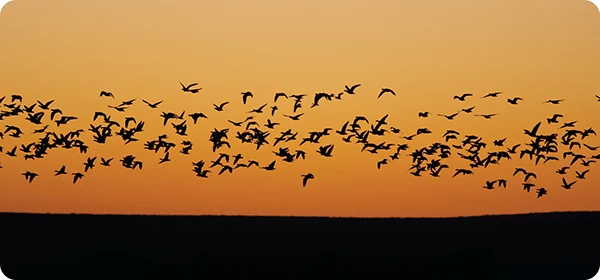
September marks a pivotal period of transition across the natural world, a dynamic shift from the languid days of summer to the crisp embrace of autumn. This annual metamorphosis is not merely a visual spectacle of changing foliage and migrating wildlife; it is a critical phase demanding significant adaptation and resourcefulness from countless species. For birds, this season presents a series of intense physiological and behavioral challenges, primarily centered around molting and migration, underscoring the vital role of proper nutrition and environmental support.
The Dual Demands of Autumnal Transitions
As the calendar page turns to September, the landscape undergoes a visible transformation. Family vacations conclude, the roar of summer sports yields to the strategic plays of football, and educational institutions pivot to their core academic and extracurricular schedules. Concurrently, the natural world mirrors this shift. The oppressive heat of summer recedes, replaced by the refreshing coolness of autumn breezes. The vibrant blooms of summer begin their transformation into the promise of future life, producing seeds and berries. Even the steadfast green of the trees begins to signal an impending, though fleeting, burst of spectacular color.
Birds, too, are deeply enmeshed in this seasonal flux. For most species, the demanding responsibilities of raising young have concluded, leaving them with a renewed focus on their own survival and preparation for the journey ahead. The subtle but significant shortening of daylight hours acts as a biological cue, triggering a period of heightened activity and an innate restlessness in anticipation of their long-distance flights to warmer wintering grounds. Simultaneously, many birds are undergoing a crucial physiological process: molting. This is the shedding and replacement of worn-out feathers with a fresh set of plumage. These new feathers are not merely aesthetic; they are essential for efficient flight, crucial for maintaining thermal regulation against the encroaching cold, and vital for staying dry in variable weather conditions.

These profound transitions—molting and migration—present substantial biological hurdles. Growing an entirely new set of feathers, a process that can last anywhere from four to eight weeks for some species, is an energetically demanding undertaking. Feathers are primarily composed of protein, meaning that during this period, a bird’s need for protein skyrockets. This nutrient is fundamental for building and maintaining the structural integrity of the new plumage. In parallel with this protein requirement, the entire molting process demands a significant energy input. The metabolic processes involved in feather growth are substantial, requiring a consistent and ample supply of calories to fuel this internal renovation.
Migration adds another layer of complexity and urgency. For many migratory birds, the preparation for their arduous journey involves a remarkable feat of physiological adaptation: doubling their body weight. This extraordinary weight gain is achieved through intensive feeding, a strategy of "gorging" to accumulate substantial reserves of body fat. This stored fat serves as the primary fuel source for the sustained, high-energy expenditure of long-distance flight. The instinct to pack on these fat reserves becomes all-consuming, as the success of their migration—and indeed, their survival—hinges on having sufficient energy to cover hundreds or even thousands of miles.
The Critical Link: Nutrition and Survival
The imperative for obtaining the correct nutrition during these critical periods of molting and migration cannot be overstated. For a bird, failure to adequately fuel these processes is not an option; it directly jeopardizes their ability to survive the winter, reproduce the following spring, and contribute to the continuation of their species. Consequently, devouring foods that are exceptionally high in fats and proteins becomes an absolute priority during this time of year. These macronutrients provide the essential building blocks for new feathers and the concentrated energy required for migratory flights.
This presents a unique and opportune moment for human intervention and support within local ecosystems. Backyard bird feeding, when approached with an understanding of avian nutritional needs, can play a significant role in aiding birds through these challenging transitions. By providing precisely the types of food that birds are actively seeking—those rich in fats and proteins—individuals can directly contribute to their well-being and success.

Providing Essential Support for Migratory and Molting Birds
The selection of appropriate food sources is paramount. High-fat, high-protein offerings are key. This includes a variety of seeds, nuts, and specially formulated blends. For instance, offering WBU Plus Blends, which are carefully formulated to meet the specific nutritional demands of birds, can be highly beneficial. These blends often contain a balanced mix of high-energy ingredients designed to support birds through strenuous periods.
Peanuts, in their various forms (shelled or in shells), are an excellent source of protein and fat, making them a favored food for many species, including woodpeckers, jays, and chickadees. Nyjer® seed, a small, oil-rich seed, is particularly attractive to finches and can provide essential energy. Sunflower chips, with their high fat content, are a staple for a wide array of birds, offering a concentrated source of calories.
Suet, a rendered animal fat, is an exceptionally high-energy food and is particularly valuable during colder months and periods of increased metabolic demand. It is a favorite among insectivorous birds like woodpeckers, nuthatches, and wrens, providing them with the critical fat and calories they need. Furthermore, Bark Butter® products, a proprietary blend of suet and seeds, offer a versatile and highly nutritious option that can be spread on surfaces, attracting a diverse range of birds, including those that may not typically visit traditional feeders.
By strategically offering these nutrient-dense foods, backyard observers can witness a more vibrant and active bird population. This consistent provision of high-quality sustenance not only supports the individual birds but also contributes to the overall health and resilience of the local avian community. The reward for such thoughtful provision is manifold: the satisfaction of directly aiding wildlife, the joy of observing increased bird activity at feeders, and the privilege of experiencing the unfolding seasonal transitions within the intimate setting of one’s own backyard.
Expert Insights and Further Resources
The complexities of avian transitions and the role of backyard feeding are subjects of ongoing scientific interest and public engagement. Organizations like Wild Birds Unlimited (WBU) actively contribute to public understanding through educational initiatives. Their WBU Nature Centered Podcast, for example, offers episodes dedicated to understanding bird behavior and ecology. The episode titled "Basics of Transition" provides further insights into how individuals can enhance their support for birds during these critical times. Experts John and Brian, hosts of the podcast, often share practical advice and fascinating details about attracting a wider variety of bird species, particularly during the autumn migration and molting periods. These resources are invaluable for individuals seeking to deepen their knowledge and become more effective stewards of their local bird populations.
The implications of understanding and supporting these natural processes extend beyond mere backyard observation. By providing essential nutritional support, individuals contribute to the survival rates of migratory birds, potentially influencing the health and viability of populations across vast geographic areas. A bird that successfully molts and builds adequate fat reserves is more likely to complete its migratory journey, successfully reproduce, and return to its breeding grounds the following year. This interconnectedness highlights the significant, albeit often localized, impact that conscientious backyard conservation can have on a broader ecological scale.
A Deeper Look at the Science of Molting and Migration
Molting: A Feathery Renewal
Molting is a fundamental biological process for all birds, a necessary periodic shedding and replacement of feathers. This cycle is driven by the wear and tear that feathers sustain over time from flight, environmental exposure, and preening. New feathers are more efficient at insulation, waterproofing, and aerodynamic function. The timing and duration of molting are influenced by factors such as species, age, reproductive status, and environmental conditions.

- Nutritional Demands: The primary component of feathers is keratin, a protein. Therefore, the synthesis of new feathers requires a substantial influx of dietary protein. Studies on various passerine species have indicated that protein requirements can increase by as much as 50% during peak molting periods. The energy cost of feather growth is also significant; it is estimated that the metabolic rate can increase by 10-25% during intense molting.
- Vulnerability: Birds are often more vulnerable during molting. Their reduced flight efficiency can make them easier prey, and their compromised insulation can lead to increased susceptibility to cold stress. This vulnerability underscores the importance of a safe environment and readily available food sources.
- Timing: Molting typically occurs after the breeding season, allowing birds to replenish their plumage before the rigors of winter or migration. However, some species may undergo partial molts at other times of the year.
Migration: The Epic Journey
Avian migration is one of nature’s most awe-inspiring phenomena, involving complex navigation, immense endurance, and remarkable physiological adaptations. The journey is fraught with peril, including predation, habitat loss, extreme weather, and exhaustion.
- Hyperphagia and Fat Accumulation: The period preceding migration is characterized by a phenomenon known as hyperphagia, an intense increase in feeding behavior. Birds engage in "supercharging" their bodies with fat reserves. This fat is not just passive insulation; it is a highly efficient energy source that can be metabolized to fuel prolonged flight. Some species can increase their body mass by up to 100% in the weeks leading up to migration. For example, Arctic Terns, known for their extraordinary migrations, rely heavily on fat reserves accumulated in their final feeding grounds.
- Navigational Prowess: While the exact mechanisms are still being researched, birds utilize a sophisticated array of navigational tools, including the Earth’s magnetic field, celestial cues (sun and stars), olfactory cues, and visual landmarks.
- Physiological Adaptations: Beyond fat accumulation, migratory birds undergo other physiological changes, such as alterations in organ size (e.g., enlargement of flight muscles) and changes in hormone levels that promote endurance and fuel utilization.
Broader Impact and Implications
The annual cycles of molting and migration are critical for maintaining avian biodiversity and ecosystem health. Birds play vital roles as pollinators, seed dispersers, and insect controllers. Disruptions to these cycles, whether due to climate change, habitat degradation, or inadequate food resources, can have cascading effects on ecosystems.
- Conservation Efforts: Understanding the nutritional needs of birds during these transitional periods informs conservation strategies. Protecting key stopover sites where birds refuel during migration is crucial. Likewise, maintaining healthy terrestrial and aquatic habitats that provide natural food sources is essential.
- Citizen Science and Backyard Habitats: The increasing engagement of individuals in backyard bird feeding represents a form of citizen science. By observing and supporting local bird populations, people contribute to a broader understanding of avian ecology and can actively participate in conservation efforts. Creating bird-friendly landscapes with native plants that provide natural food sources and shelter further enhances these positive impacts.
- Economic and Recreational Value: Birdwatching and nature tourism are significant economic drivers. Healthy and abundant bird populations contribute to these industries, fostering a greater appreciation for the natural world and its inherent value.
In conclusion, the autumnal transitions faced by birds are periods of intense biological demand. By understanding the critical role of nutrition during molting and migration, individuals can make a tangible difference by providing high-fat, high-protein food sources. This support not only benefits the birds directly but also contributes to the broader health of ecosystems and fosters a deeper connection between humans and the natural world. The simple act of filling a bird feeder with the right provisions can be a powerful gesture of ecological stewardship.
