
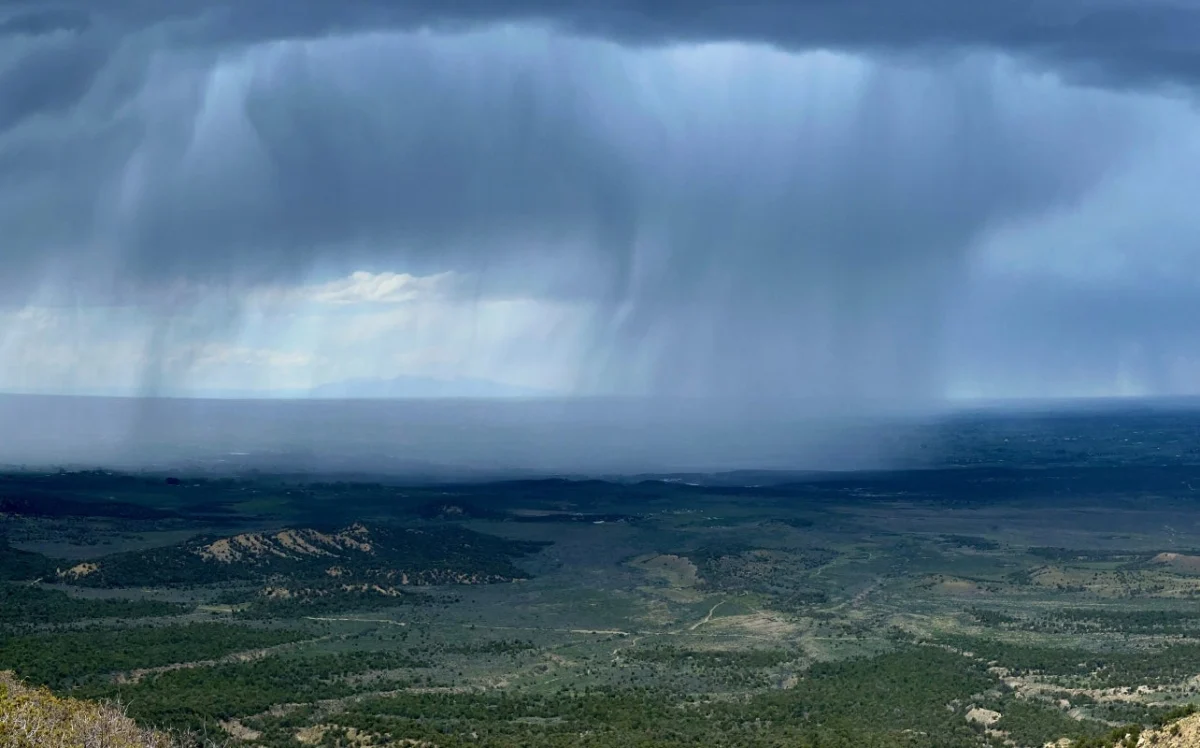
Colorado is currently grappling with a severe and intensifying drought, a condition that is no longer a theoretical concern but a palpable force dictating critical decisions from the headwaters of its majestic mountains to its vast agricultural valleys and major reservoirs. The signals this year are stark, undeniably pointing to a system under profound stress. Concurrently, public discourse surrounding water resources has become increasingly fraught, marked by heightened concern and sensitivity, particularly concerning issues of water availability and future security. This pervasive anxiety underscores the critical importance of precisely how we articulate and comprehend the ongoing crisis, leading to a clearer, science-based framework known as "ecological drought." This concept is not novel but provides an essential lens through which to understand the complex, cascading impacts already unfolding across Colorado’s rivers, diverse landscapes, and interdependent communities.
A System Under Extreme Hydrologic Pressure
The Colorado River Basin, a lifeblood for over 40 million people and vast ecosystems across seven U.S. states and Mexico, has entered the current water year facing extreme hydrologic pressure. The winter season delivered a devastating blow, with snowpack across the Upper Basin plummeting to record or near-record lows. By early April, a critical period for snowmelt accumulation, snow water equivalent in many vital areas registered a mere fraction of normal levels, and satellite records indicated the lowest snow cover ever observed. This alarming scarcity was compounded by one of the warmest winters on record, which not only curtailed snow accumulation but also drastically accelerated the melt process and exacerbated evaporative losses. These trends are disturbingly consistent with the long-term impacts of climate change across the Colorado River Basin, where rising temperatures are progressively undermining snowpack reliability and diminishing overall runoff efficiency, transforming what were once predictable seasonal cycles into erratic and insufficient flows.
The grim reality of these conditions is now starkly reflected in official forecasts. Runoff across the Upper Basin watersheds is projected to be among the lowest on record, foretelling sharply reduced inflows into Lake Powell, one of the nation’s largest man-made reservoirs. Both Lake Powell and Lake Mead, the two primary storage facilities for the Colorado River, continue to hover near historic lows, offering a perilously thin buffer against the ongoing deficit. For instance, as of mid-spring, Lake Powell’s elevation remained significantly below its full capacity, a situation that has persisted for over two decades, while Lake Mead’s levels also continue to flirt with its lowest recorded marks, triggering alarm bells for water managers and policymakers alike. Even sporadic spring storms, while offering momentary visual relief, have proven insufficient to reverse the underlying, deep-seated deficit. Dry soils, persistently warm temperatures, and the severely depleted snowpack collectively mean that substantially less water ultimately percolates into the ground or reaches the rivers and streams that feed the basin’s vast network. This is not merely an exceptionally dry year; it represents a complex system under profound and compounding stress, teetering on critical thresholds.
The Evolution of Drought: Beyond Precipitation
The traditional understanding of drought often centers solely on a deficit in precipitation. However, the concept of "ecological drought" fundamentally broadens this perspective, providing a more comprehensive and scientifically rigorous framework to explain what these challenging conditions signify on the ground. Scientifically defined, an ecological drought is "an episodic deficit in water availability that pushes ecosystems beyond their thresholds—impacting ecosystem services and triggering feedbacks in both natural and human systems." This definition is crucial because it moves beyond a simple meteorological measure to encompass the intricate ways in which water scarcity propagates through an entire interconnected system.
Unlike conventional drought metrics, which might focus on rainfall totals, ecological drought considers the broader hydrological cycle and its interactions with biological systems. It examines how reduced precipitation, combined with increased temperatures and accelerated evaporation, affects soil moisture, groundwater levels, streamflows, and vegetation health. This holistic view acknowledges that modern droughts are undergoing a significant transformation: they are becoming hotter, longer, and more geographically widespread. Their impacts are no longer solely driven by climate conditions but are profoundly amplified by human water use, further stressing already vulnerable ecosystems. Moreover, the consequences of ecological drought do not remain isolated within natural systems. When ecosystems cross critical thresholds—manifesting as the loss of vital wetland functions, dramatic shifts in vegetation composition, or widespread degradation of essential habitats—these changes inevitably feed back into the human systems that depend on them. The implications are far-reaching, affecting agricultural productivity, elevating wildfire risks, impacting public health, and ultimately undermining community stability across the affected regions.
Chronology of a Deepening Crisis
The Colorado River Basin has been in a state of continuous drought for over two decades, often referred to as a "megadrought" exacerbated by human-caused climate change.
- Early 2000s: The current drought cycle began, marking a significant departure from historical precipitation and runoff patterns. Reservoir levels in Lake Powell and Lake Mead began a steady decline.
- 2007: The Bureau of Reclamation implemented interim operating guidelines for the Colorado River, acknowledging the need for more flexible management in the face of persistent drought.
- 2018-2019: A particularly severe two-year period saw some of the lowest runoff volumes on record, pushing Lake Mead to its lowest levels since it was first filled in the 1930s.
- 2020-2023: Continued dry conditions and above-average temperatures maintained pressure on the system. Federal intervention became necessary, with states urged to conserve significant amounts of water to prevent critical infrastructure failures at the reservoirs. Agreements were made for voluntary cuts.
- Winter 2023-2024: Despite some isolated snowfall, the overall snowpack in the Upper Basin remained historically low. Critically, record-breaking warm temperatures significantly reduced the efficacy of the snowpack that did accumulate, leading to premature melt and increased sublimation.
- Spring 2024: Runoff forecasts confirm the dire situation, predicting historically low inflows into the major reservoirs, further deepening the crisis and necessitating urgent discussions on future water management policies as current operating guidelines are set to expire in 2026.
Specific Manifestations in Colorado
In Colorado, the effects of ecological drought are starkly evident as a profound shift in the timing, duration, and connectivity of water across the landscape. Even with recent, fleeting moisture events, the pervasive underlying conditions persist. Headwater streams are experiencing reduced flows much earlier in the season, altering the natural hydrograph that aquatic species depend on. Small wetlands, crucial for biodiversity and groundwater recharge, are drying out with unprecedented rapidity and for extended periods, disrupting critical life cycles. Soil moisture deficits are becoming chronic, particularly at higher elevations, impacting vegetation health and increasing vulnerability to wildfires. Crucially, the connectivity between headwater streams and larger river systems is increasingly fractured, impeding the movement of aquatic organisms and the natural distribution of water and nutrients. These are often subtle shifts, not always dramatic in isolation, but their cumulative impact is profound, especially when they occur in successive years, leaving insufficient time for ecological recovery. This signifies a critical shift: drought is no longer merely an episodic event but an increasingly persistent condition, with ecosystems spending less time in vital recovery and more time locked in a cycle of stress.
Birds: Early Sentinels of Ecological Distress
Avian populations serve as sensitive, early indicators of environmental change, and their current struggles illuminate the severity of ecological drought. Migratory bird species rely on a network of functional wetlands, acting as crucial "stepping stones" across the landscape during their arduous journeys. As these wetlands shrink or disappear prematurely due to drought, critical habitat becomes compressed, forcing birds into smaller, more crowded areas where resources are quickly depleted, and competition intensifies.
Riparian birds, such as the vibrant Northern Yellow Warbler and the resilient Song Sparrow, are intrinsically linked to dense, water-supported vegetation for nesting, foraging, and shelter during their breeding season. Earlier drying of these vital riparian corridors directly reduces both the protective cover they need and the availability of their insect prey, leading to decreased breeding success and survival rates. Wetland-dependent species, including the elegant American Avocet, the distinctive White-faced Ibis, and the majestic Sandhill Crane, are particularly vulnerable to the shrinking of shallow-water habitats, which they depend on for feeding, roosting, and raising their young. The loss of these specific ecological niches can lead to significant population declines for these specialized species.
Beneath these visible changes, the entire food web is shifting dramatically. Aquatic insects, a primary food source for many bird species, emerge differently—or not at all—under drier conditions, creating a profound mismatch with the nesting and migratory cycles of insectivorous birds. This disruption cascades through the ecosystem, affecting not only birds but also other wildlife that rely on these interconnected food sources. Birds are often the first to signal these environmental transformations, but their distress is a harbinger of broader, systemic impacts affecting all life within the basin, including humans.
The Human Dimension: Ecosystem Services at Risk
Ecological drought unequivocally demonstrates a fundamental truth: this is a single, interconnected system where natural processes and human well-being are inextricably linked. The very same hydrological and ecological processes that shape vital wildlife habitat also directly influence outcomes for human communities. Soil moisture levels, for instance, are a primary determinant of forage conditions for livestock and the viability of dryland agriculture, directly affecting the livelihoods of ranchers and farmers. The timing and availability of water flows profoundly impact the reliability of municipal water supplies, dictating whether communities have sufficient water for drinking, sanitation, and economic activity.
River flows are also crucial for supporting a thriving recreation economy, sustaining activities like whitewater rafting, fishing, and kayaking, which are vital to many local communities. Furthermore, healthy, connected floodplains play an indispensable role in mitigating flood risks, recharging groundwater, and supporting ecological recovery after disturbances such as wildfires. These benefits, collectively known as ecosystem services, are the myriad ways people directly and indirectly benefit from functioning natural systems. When these systems are strained, degraded, or begin to collapse under the pressure of ecological drought, the provision of these essential services diminishes, leading to tangible economic losses, increased social vulnerability, and reduced overall quality of life.
Broader Implications and the Path Forward
The scientific consensus points to a reality far more profound than merely a single dry year. The Colorado River Basin is increasingly operating within a new, warmer, and drier climatic regime, characterized by less reliable snowpack, heightened hydrological variability, and more frequent extreme events. Recent conditions eerily mirror some of the most consequential low-flow years in recorded history, and disturbingly, such occurrences are becoming the norm rather than the exception.
This ecological and hydrological shift comes at a critical juncture: the current operating guidelines for the Colorado River are set to expire in 2026. The decisions made in the immediate future will fundamentally shape how the entire system responds to these unprecedented conditions for decades to come. There is a growing consensus among federal agencies, state water officials, tribal nations, and environmental organizations that a profound paradigm shift is imperative. This shift must move away from reactive, year-to-year crisis management towards the implementation of more durable, flexible, and adaptive operational strategies. It demands a transition from short-term fixes to sustained, long-term investments in resilience, and from fragmented, often contentious efforts to stronger alignment and collaborative action across all stakeholders—states, Tribes, agricultural users, and urban centers.
Solutions must be multifaceted, encompassing aggressive water conservation measures, enhanced efficiency in all sectors, strategic upgrades to water infrastructure, and, critically, robust investment in watershed health. This includes large-scale restoration efforts aimed at improving how water is naturally stored and functions across the landscape, enhancing natural filtration, and supporting biodiversity. Without this kind of comprehensive and aligned approach, the risks will continue to compound—ecologically, economically, and socially—threatening the long-term viability of the entire basin.
A Clearer Lens for What Lies Ahead
Ecological drought is not a call for a new agenda but a crucial and refined methodology for understanding how drought truly operates in our contemporary world. It illuminates the intricate pathways through which water shortages propagate through ecosystems, how impacts cascade across biological and physical systems, and how these consequences ultimately reach and affect human populations. It establishes an undeniable link between dwindling snowpack and reduced river flows, between altered river dynamics and degraded habitat, and between diminished habitat and vulnerable communities. Most importantly, it underscores an essential truth: when ecosystems are pushed beyond their critical thresholds, the repercussions do not remain confined to the ecological realm; they become systemic, permeating every aspect of the human-natural interface.
This understanding is paramount now because the fundamental question before us is not merely how we react to the drought conditions of the current year. Rather, it is whether we are capable of collaboratively designing and implementing a water management system that can function—ecologically, economically, and socially—under the increasingly challenging conditions that are not merely coming, but are already here. This is the crucial conversation that demands our collective attention and demands to be accurately understood and addressed with unprecedented urgency and foresight.
