
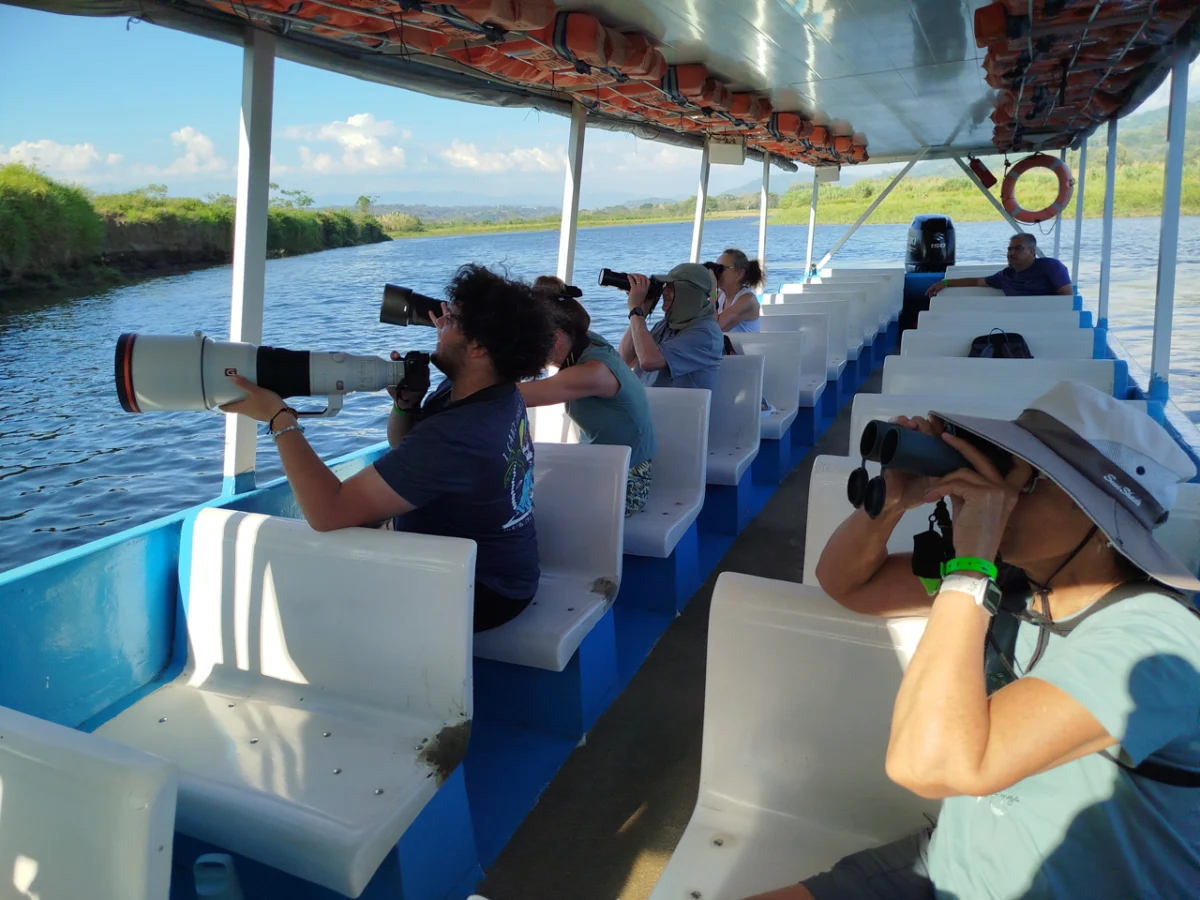
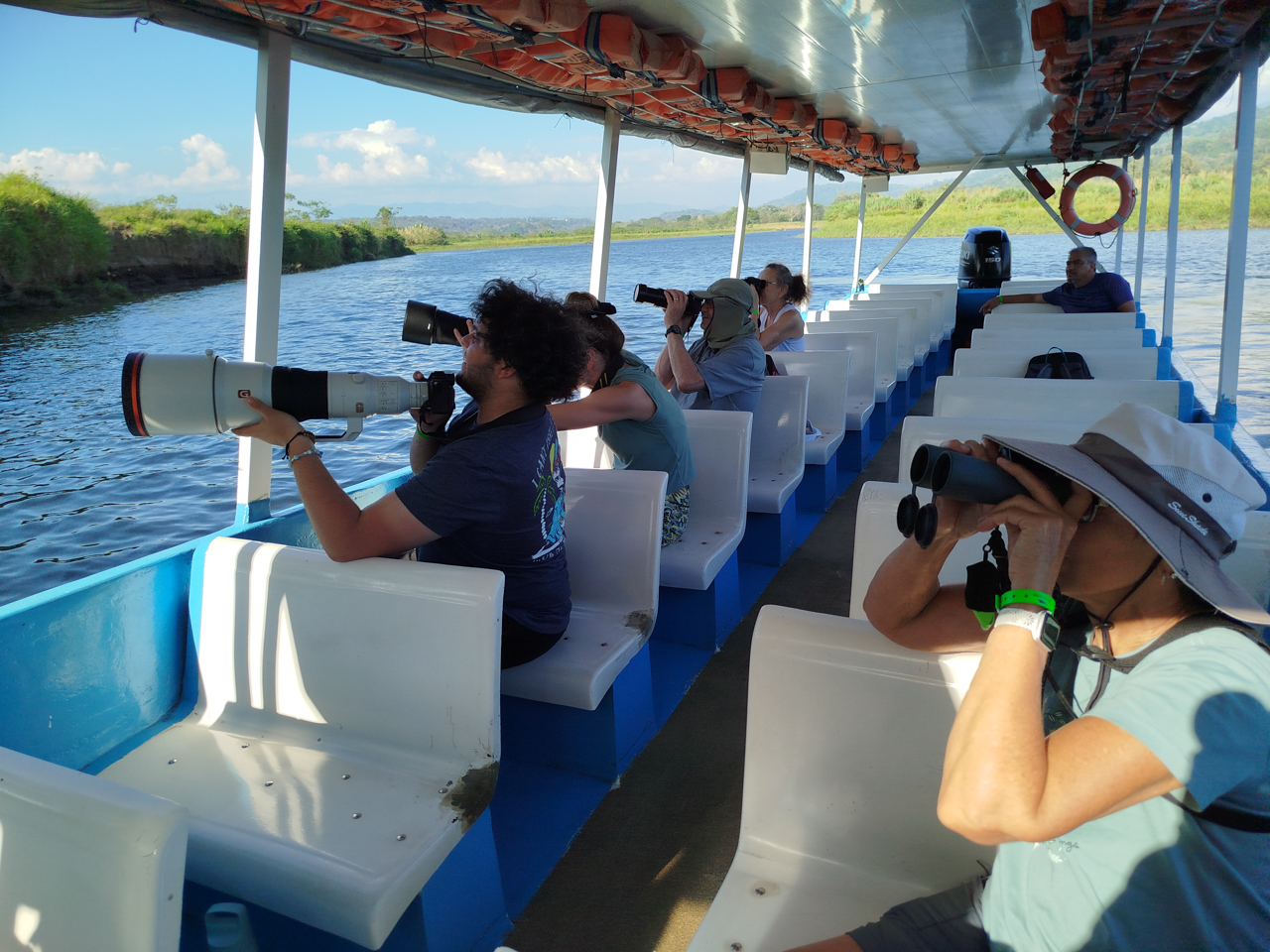
The completion of an intensive eleven-day avian survey and "sampler" tour across Costa Rica has provided a vivid snapshot of the country’s status as a premier global destination for biodiversity. Traveling through a diverse array of ecosystems—ranging from the arid Pacific lowlands and mangrove estuaries of the Tárcoles River to the high-altitude cloud forests of the Talamanca Mountains and the volcanic Caribbean slopes—the expedition successfully documented a significant portion of the region’s resident and migratory birdlife. This journey, which concluded in late March, underscores the ecological complexity of the Central American isthmus, a land bridge that hosts nearly 5% of the world’s known species within just 0.03% of the earth’s landmass.
Geographic Scope and Ecosystem Diversity
The expedition followed a strategic transect designed to capture the "life zones" defined by Dr. Leslie Holdridge, a pioneer in tropical ecology. By moving from the Pacific coast across the continental divide to the Caribbean lowlands, the group witnessed the dramatic shifts in flora and fauna dictated by elevation and precipitation.
The journey began in the Central Valley, the country’s most populous region, which serves as a transition zone between the drier Pacific side and the humid Caribbean side. From there, the itinerary moved to the Pacific Northwest and Central Pacific regions, characterized by tropical dry forests and extensive mangrove systems. The route then ascended to the Talamanca Highlands, home to endemic species found nowhere else on earth, before descending the Caribbean slope toward the Arenal volcano and the biological corridors of the northern plains.
Chronology of the Expedition: From Lowlands to Highlands
Phase One: The Pacific Transition and Carara National Park
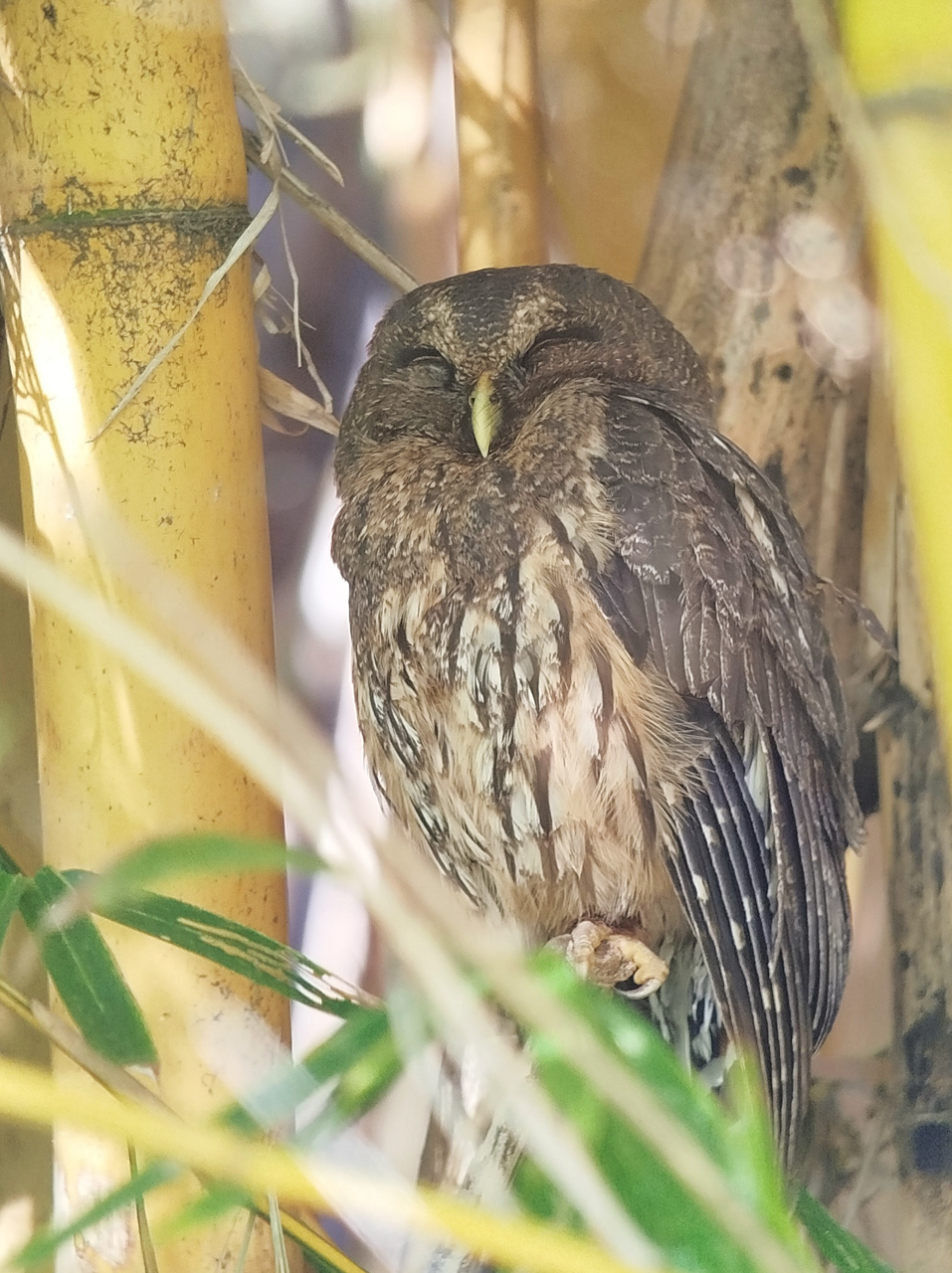
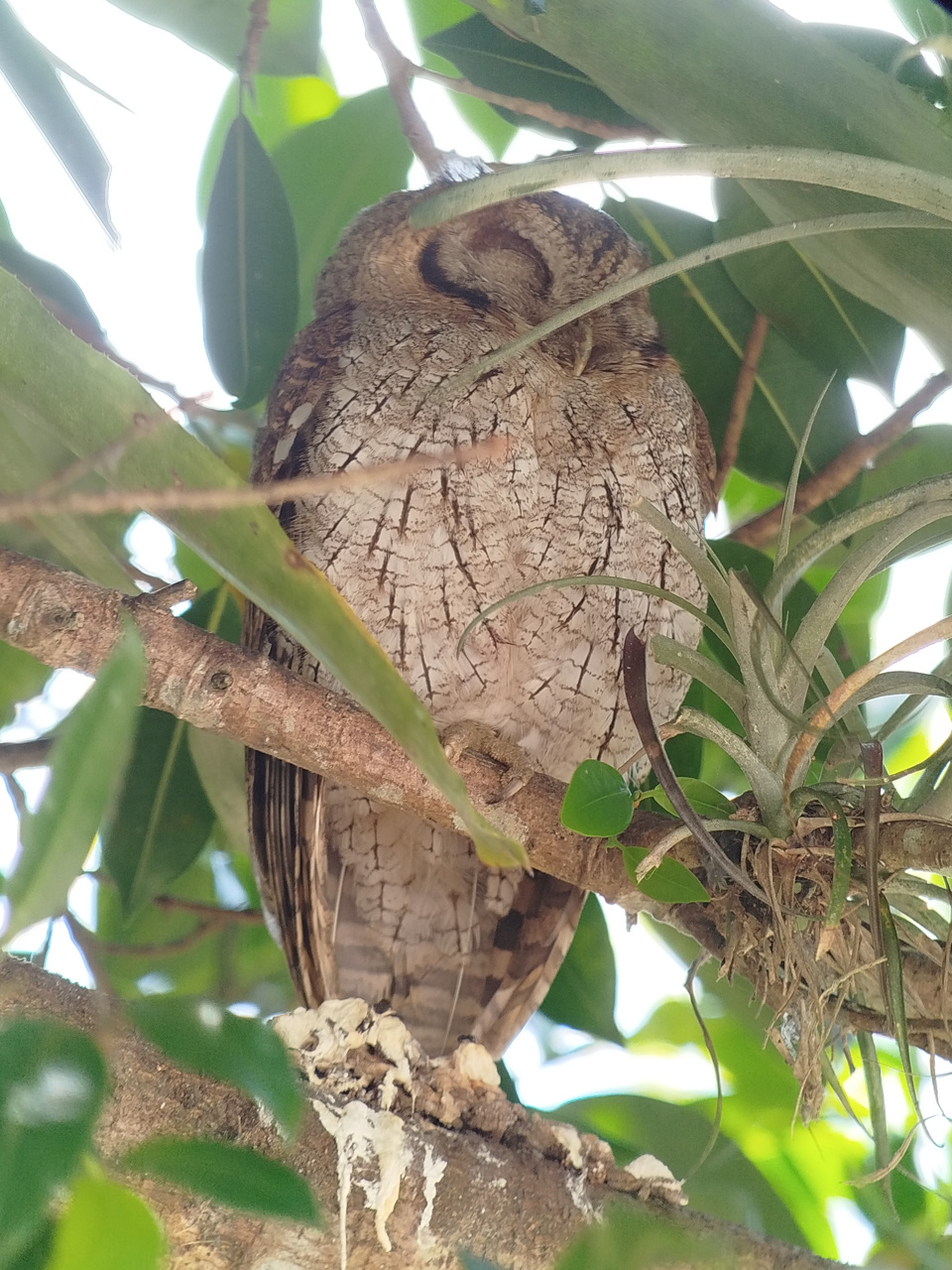
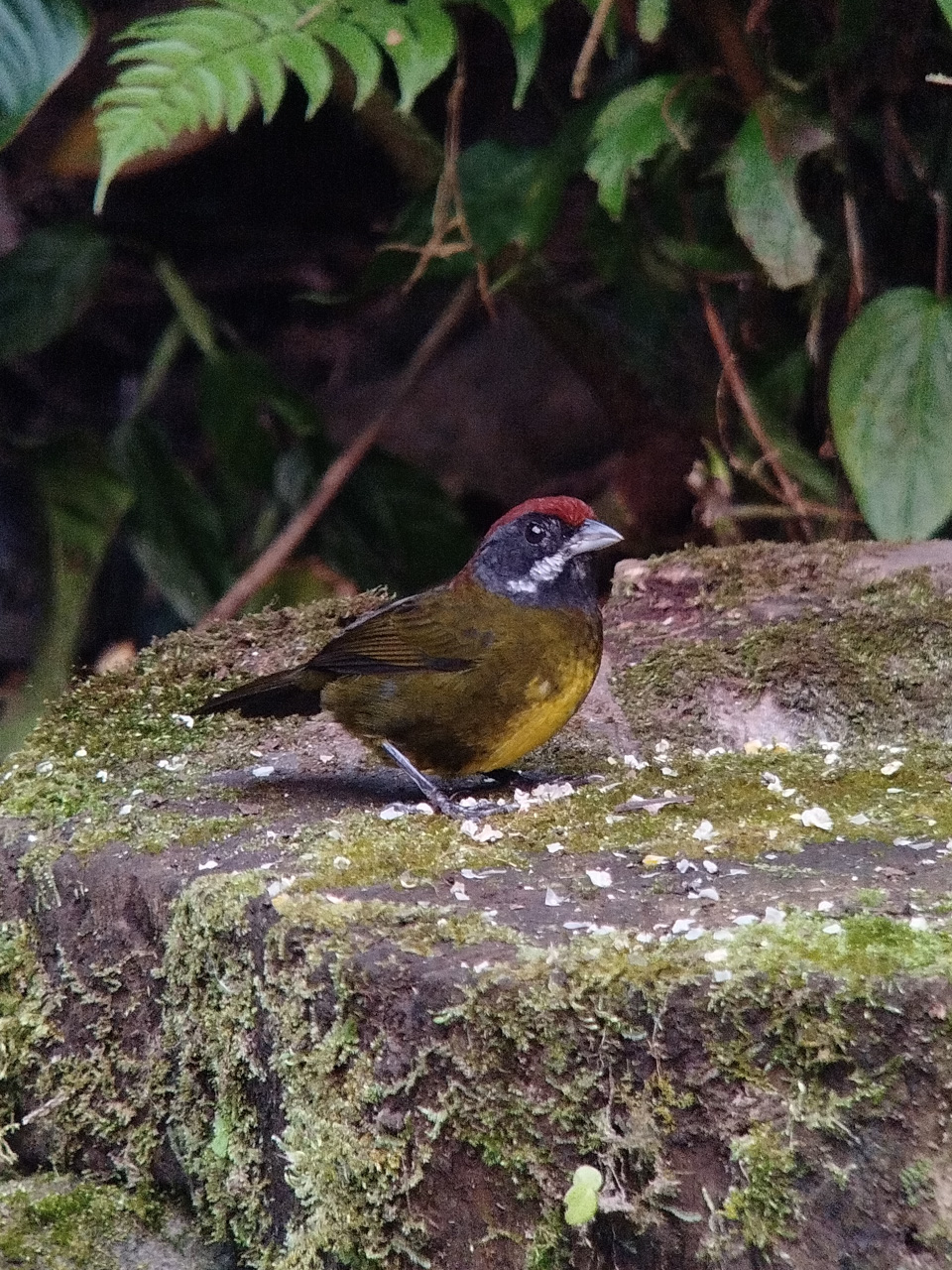
The expedition’s first field observations took place in the eastern suburbs of San José at the Hotel Bougainvillea, where the presence of the Mottled Owl (Strix virgata) and the White-eared Ground-Sparrow (Melozone leucotis) set an early benchmark for the trip. As the group descended toward the Pacific coast, they documented a shift toward species adapted to seasonal drought.
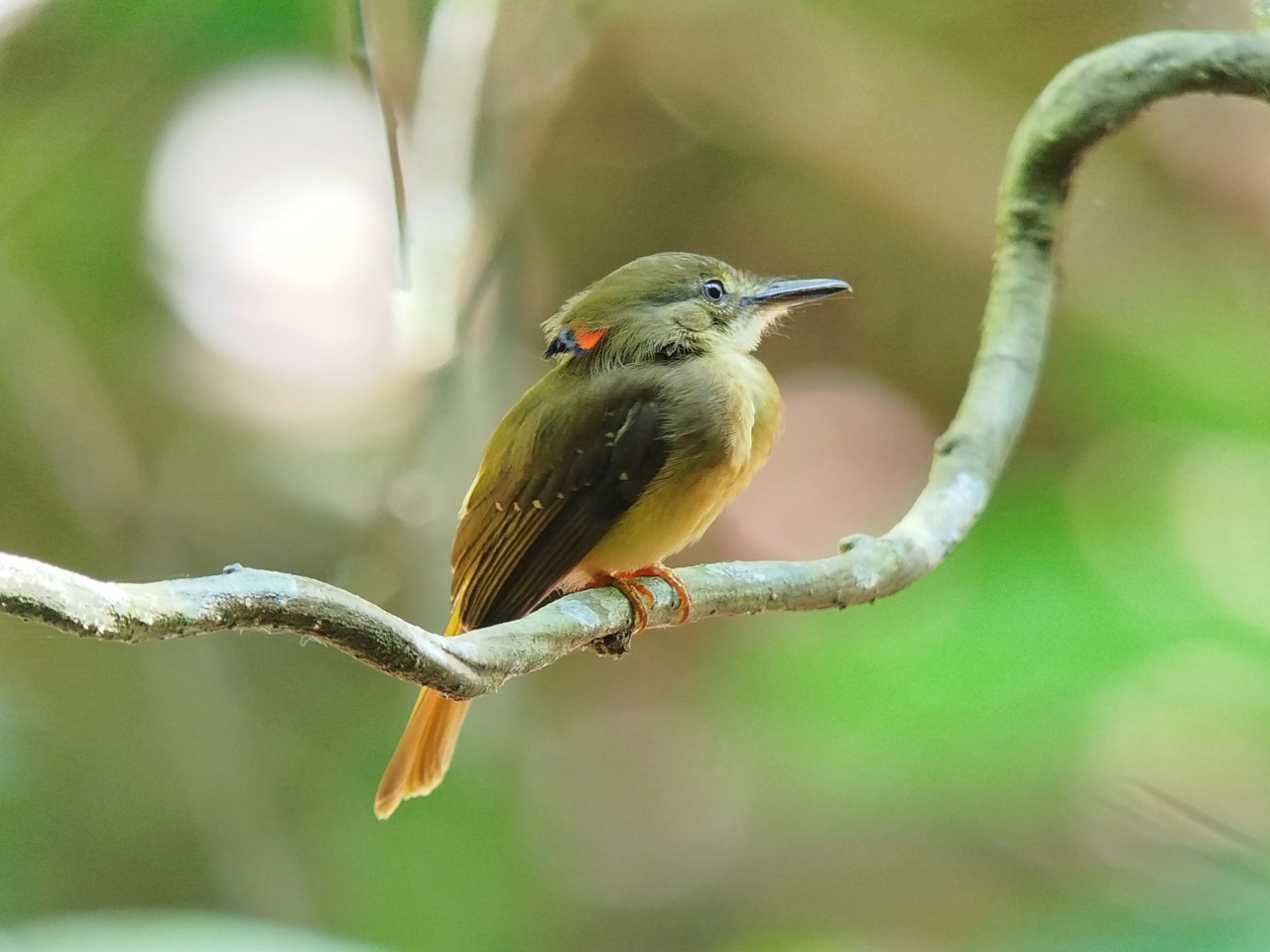
A critical stop at the Caldera Mangroves highlighted the importance of these threatened coastal ecosystems. Here, observers recorded the Mangrove Hummingbird (Amazilia boucardi), a species endemic to the Pacific coast of Costa Rica and currently listed as "Near Threatened" by the IUCN. The presence of the Painted Bunting (Passerina ciris) further illustrated the role of Costa Rica as a vital wintering ground for North American migrants.
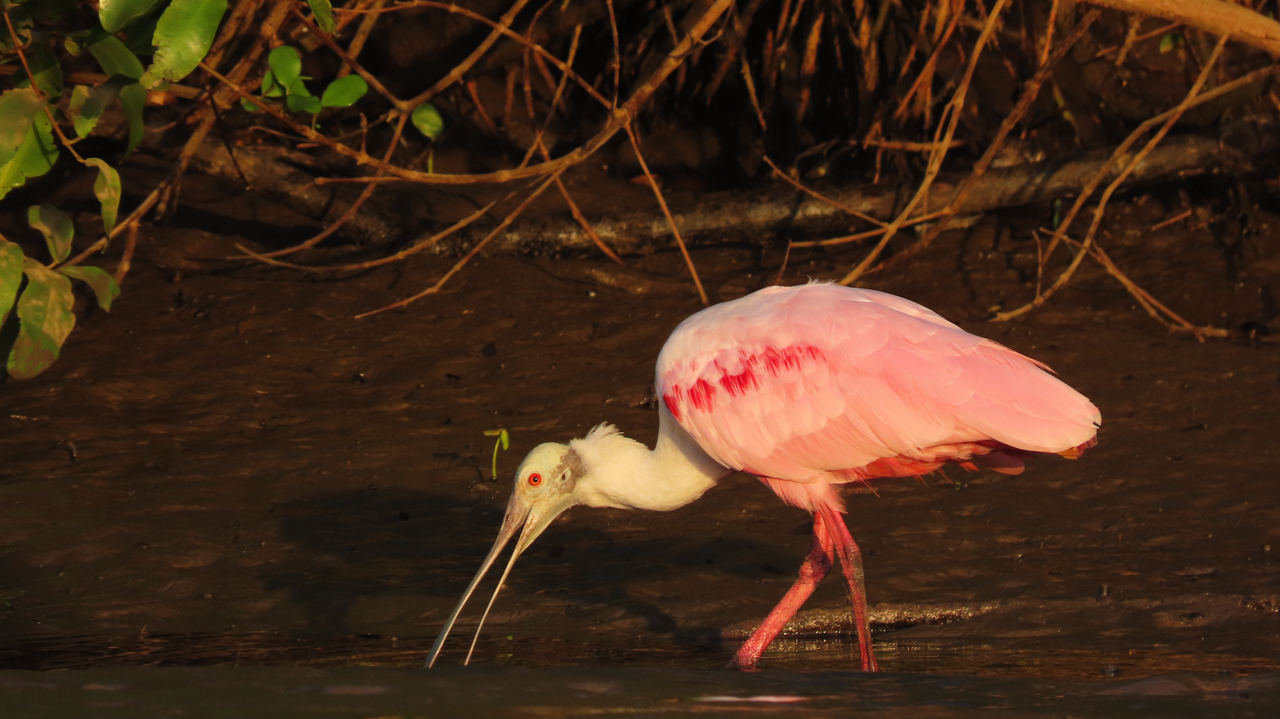
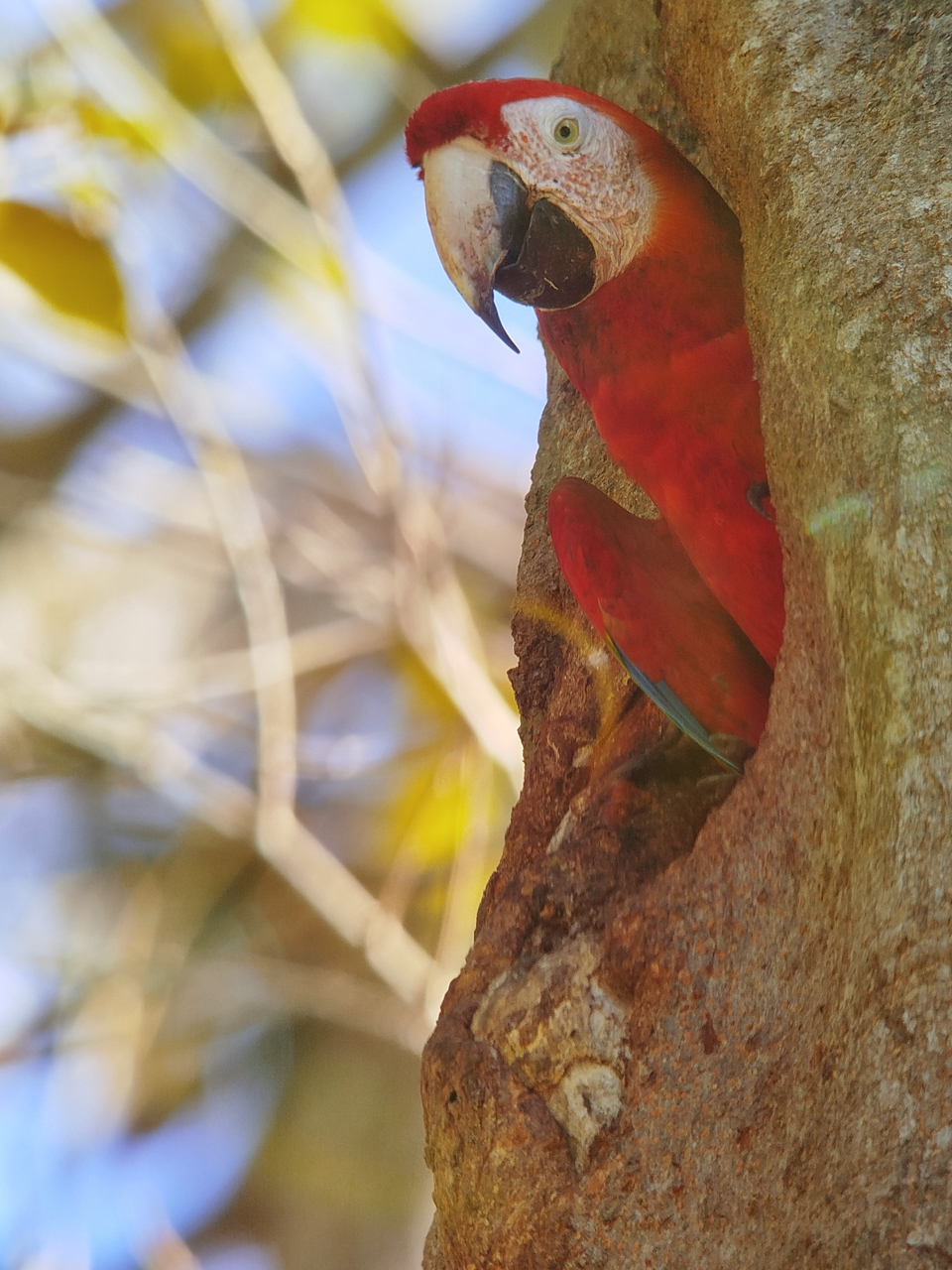
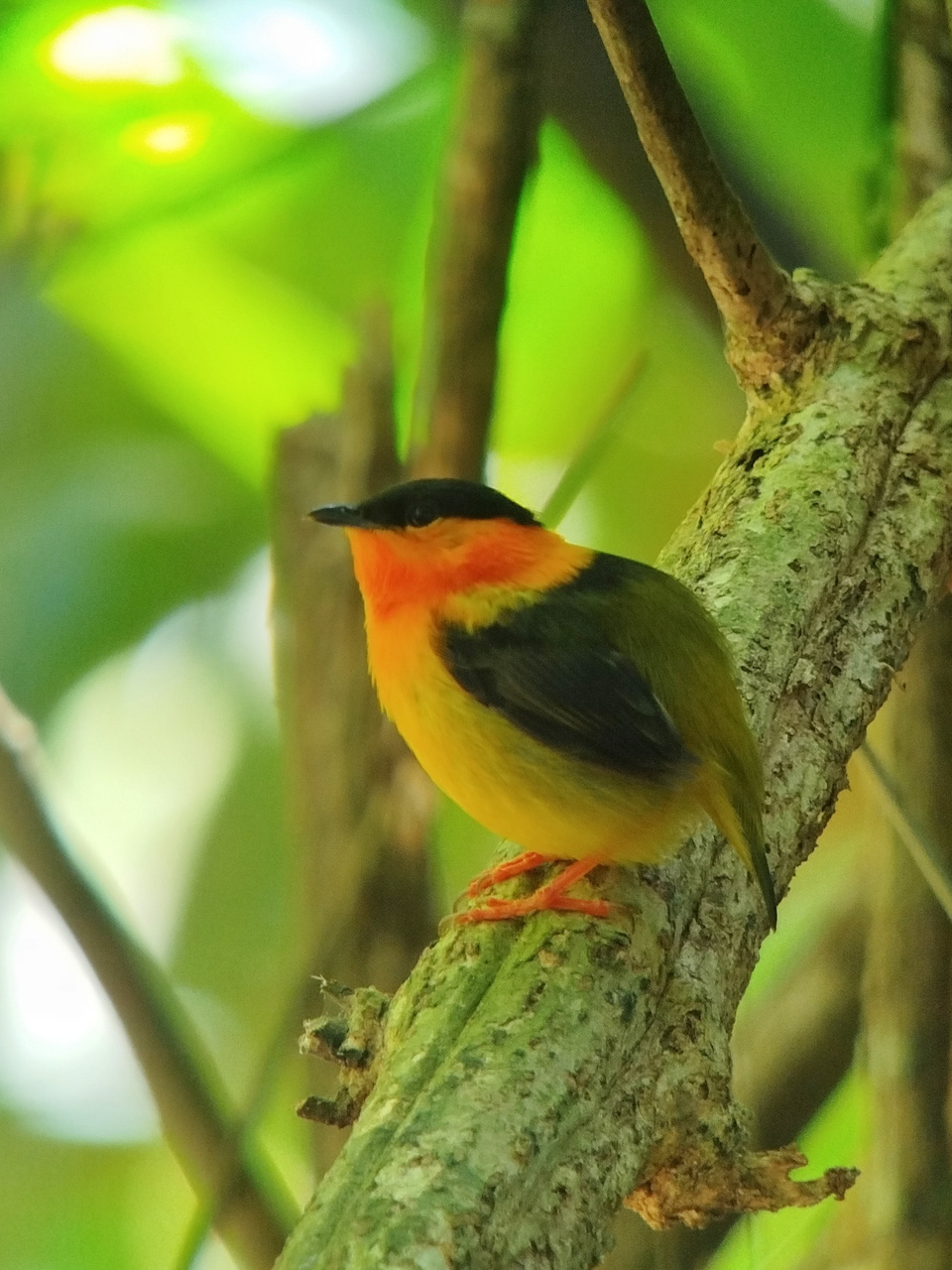
Days three and four were centered on Carara National Park, a 5,242-hectare protected area that serves as a biological crossroads between the dry forests of the north and the humid rainforests of the south. The park is world-renowned for its population of Scarlet Macaws (Ara macao). The group recorded flocks of up to 32 individuals, a testament to the success of local conservation efforts that have brought the species back from the brink of regional extinction. Significant forest-dwelling species documented included the Great Curassow (Crax rubra) and the Orange-collared Manakin (Manacus aurantiacus), the latter observed performing its distinctive lekking behavior.
Phase Two: The Talamanca Highlands and the Resplendent Quetzal
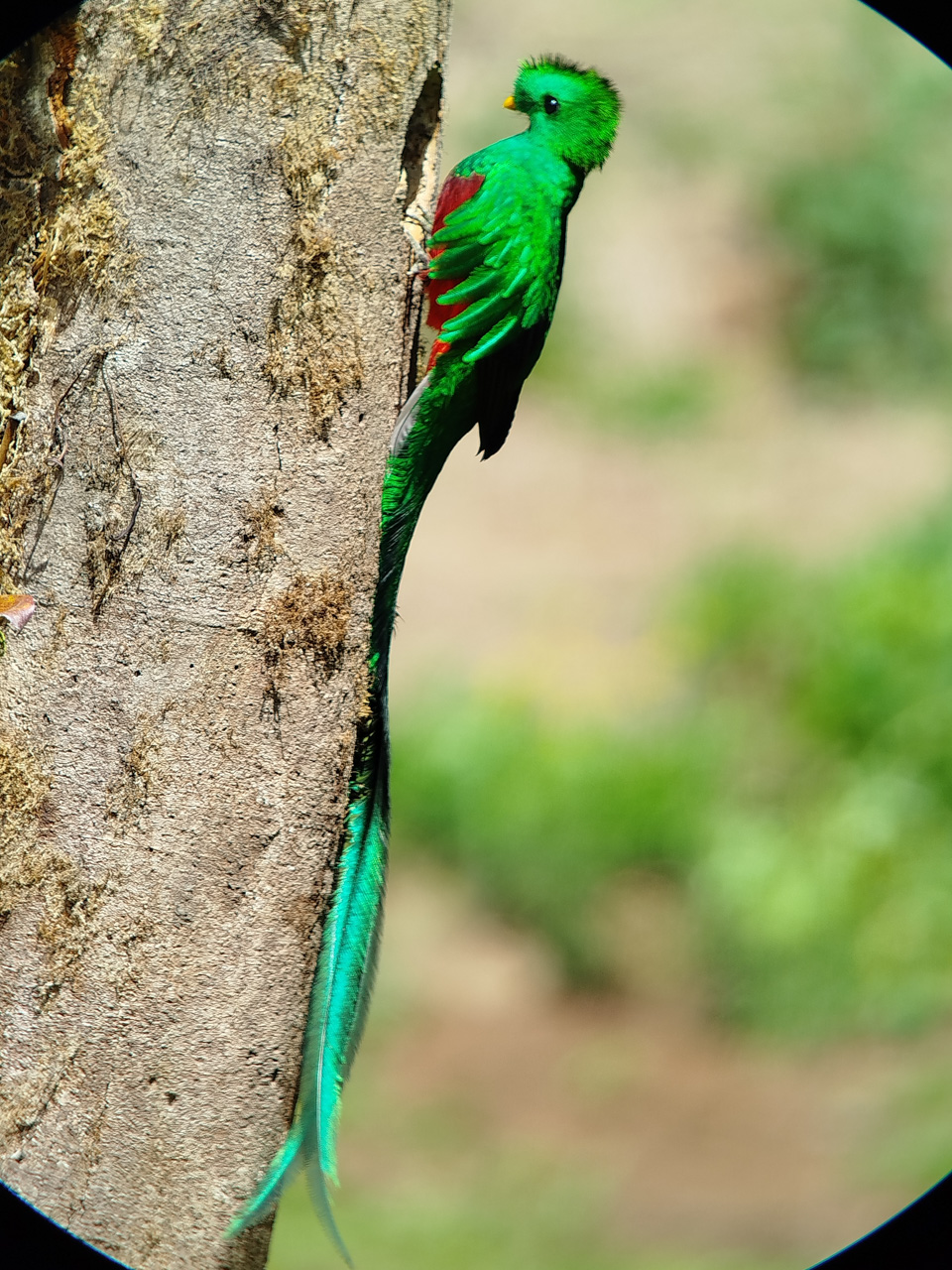
The middle of the expedition focused on the Talamanca mountain range, which contains some of the highest peaks in Central America. On day six, at the Cerro Buenavista and Los Quetzales National Park, the group achieved a primary objective: the observation of the Resplendent Quetzal (Pharomachrus mocinno).
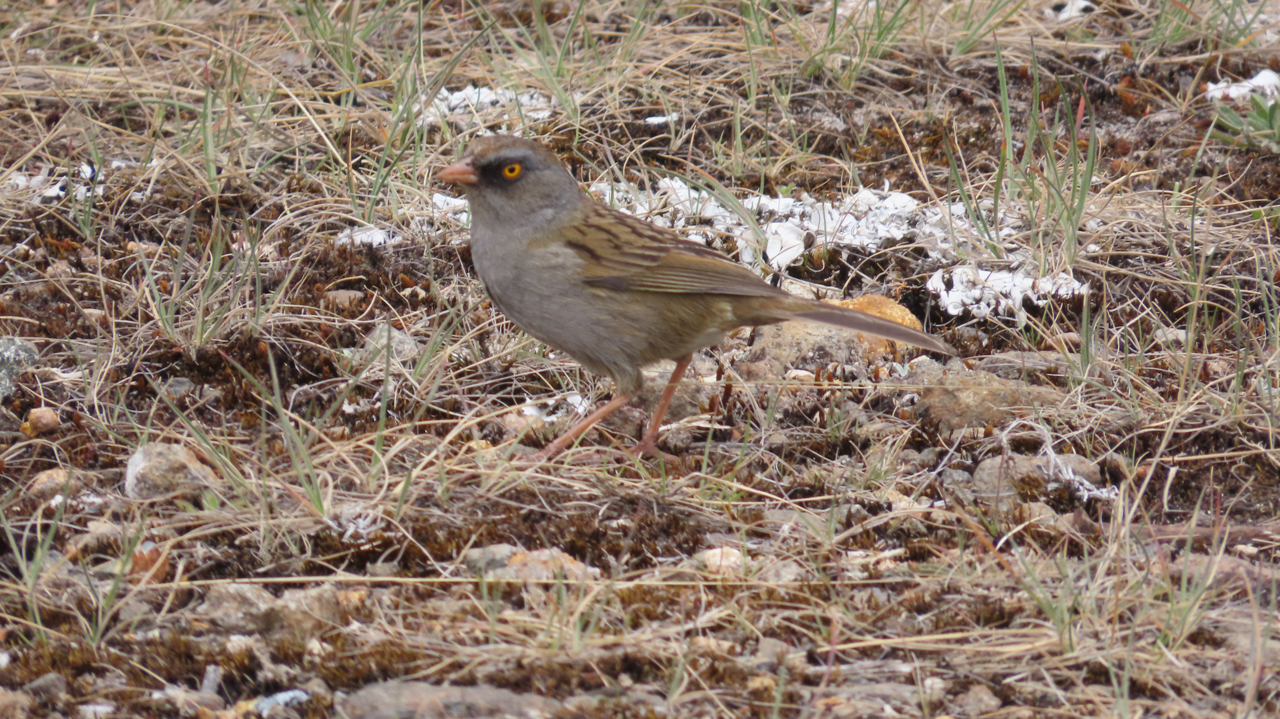
This species, revered by the Maya and Aztecs, is a flagship for cloud forest conservation. The sighting of a male in a fruiting wild avocado tree highlighted the symbiotic relationship between the bird and the Lauraceae tree family. At these higher elevations (exceeding 3,000 meters), the group also documented "paramo" specialists, including the Volcano Junco (Junco vulcani) and the Timberline Wren (Thryorchilus browni), species restricted to the high summits of Costa Rica and western Panama.
Phase Three: The Orosi Valley and the Volcanic Slopes of Arenal
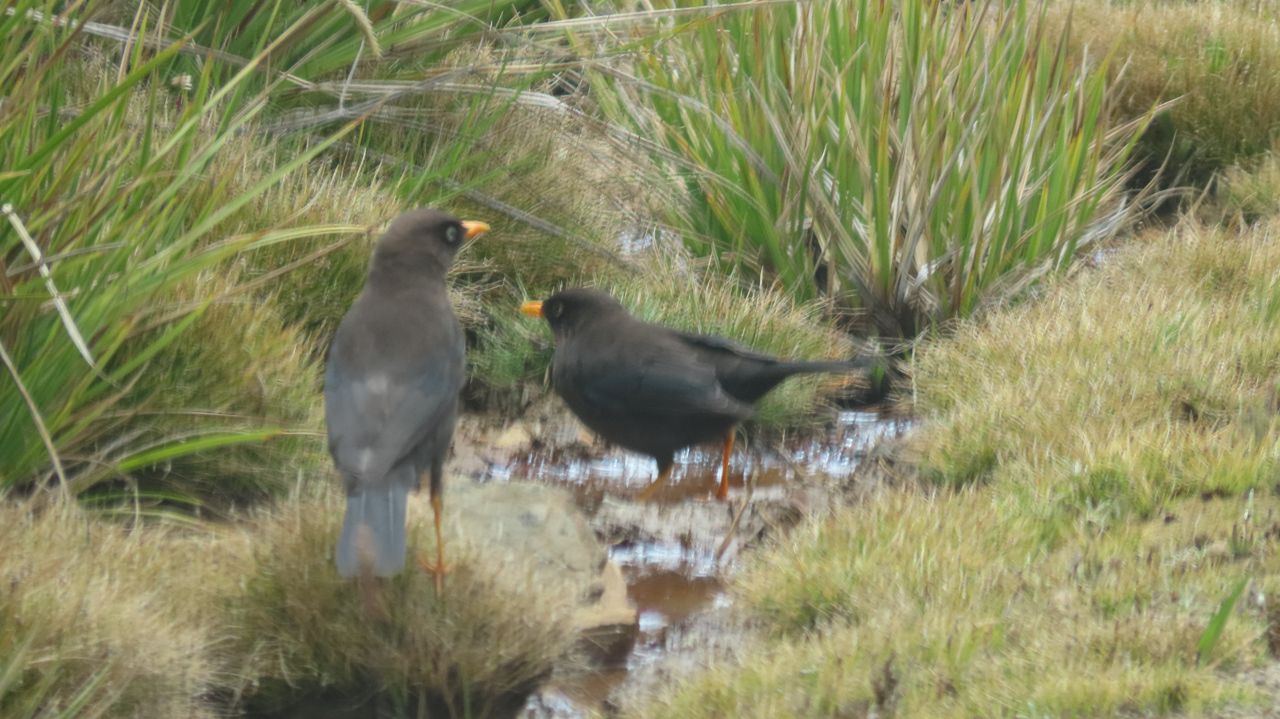
Moving toward the Caribbean slope, the expedition spent time in the Orosi Valley at Hotel Quelitales. This region is a known hotspot for hummingbirds and specialized raptors. A rare and spectacular sighting occurred at the Culebra Brenes stakeout, where 18 Hook-billed Kites (Chondrohierax uncinatus) were observed soaring together—an unusually high concentration for this typically solitary and nomadic raptor.
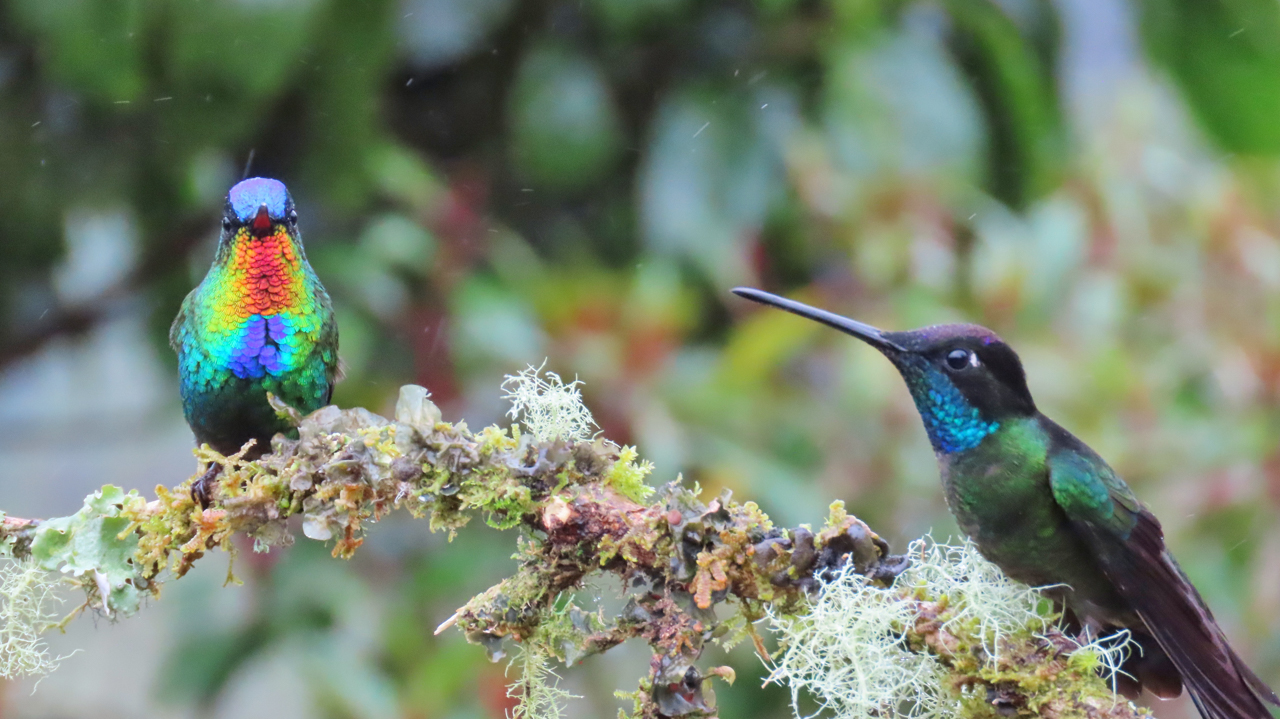
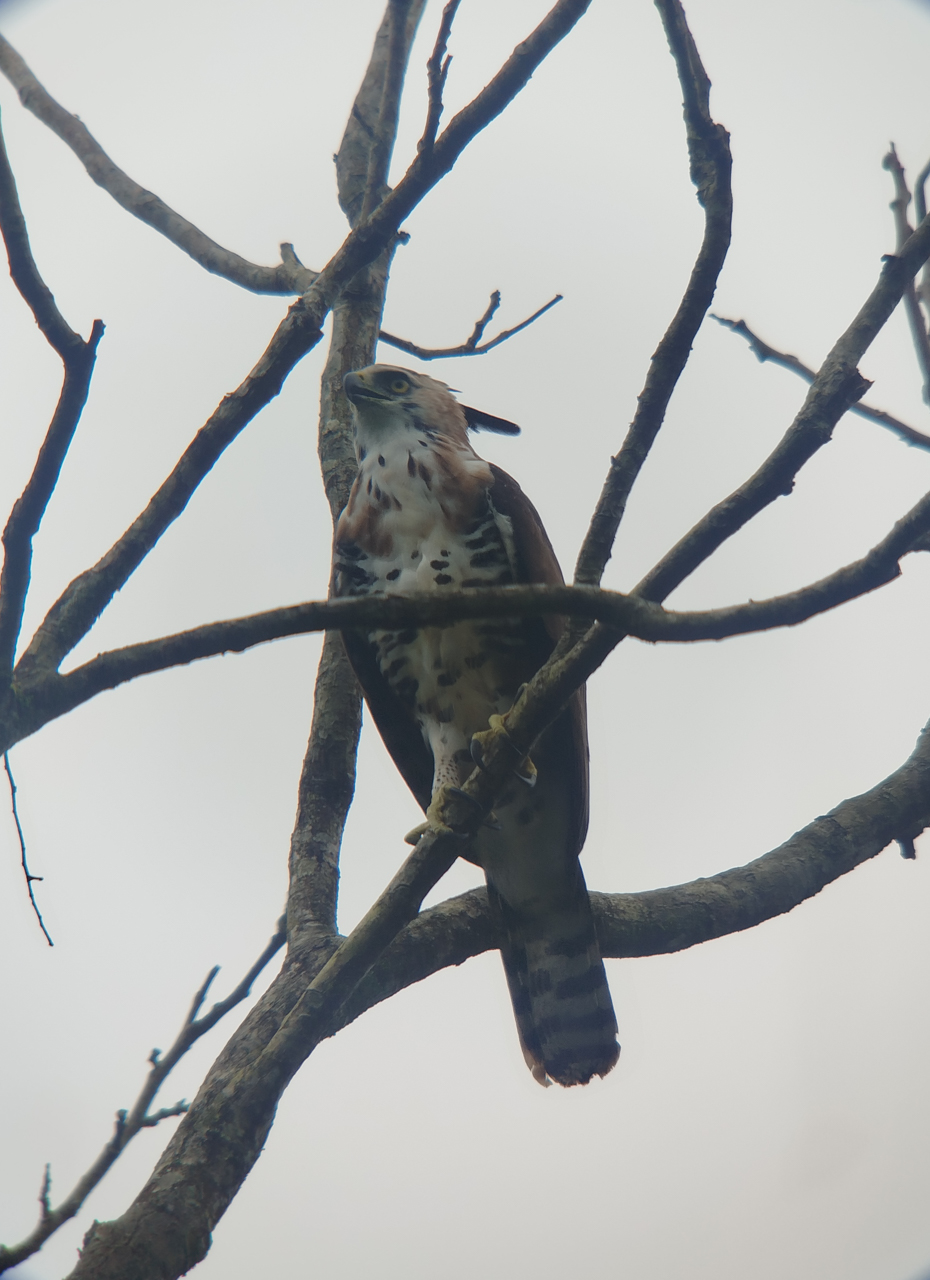
The final leg of the journey took the group to the Arenal Observatory Lodge, situated on the flanks of one of the world’s most famous stratovolcanoes. The volcanic soil and varying elevations of the Arenal region support a rich assemblage of Caribbean-slope species. Notable sightings included the Ornate Hawk-Eagle (Spizaetus ornatus), a powerful forest raptor, and the Black-and-white Owl (Ciccaba nigrolineata). The pre-dawn chorus in this region was particularly dense, featuring the booming calls of Great Curassows and the complex vocalizations of Montezuma Oropendolas (Psarocolius montezuma).
Scientific Significance of the Caribbean Lowlands
The expedition’s final full day was spent at the La Selva Biological Station, operated by the Organization for Tropical Studies (OTS). La Selva is one of the most important sites in the world for tropical ecosystem research, having produced thousands of scientific publications.
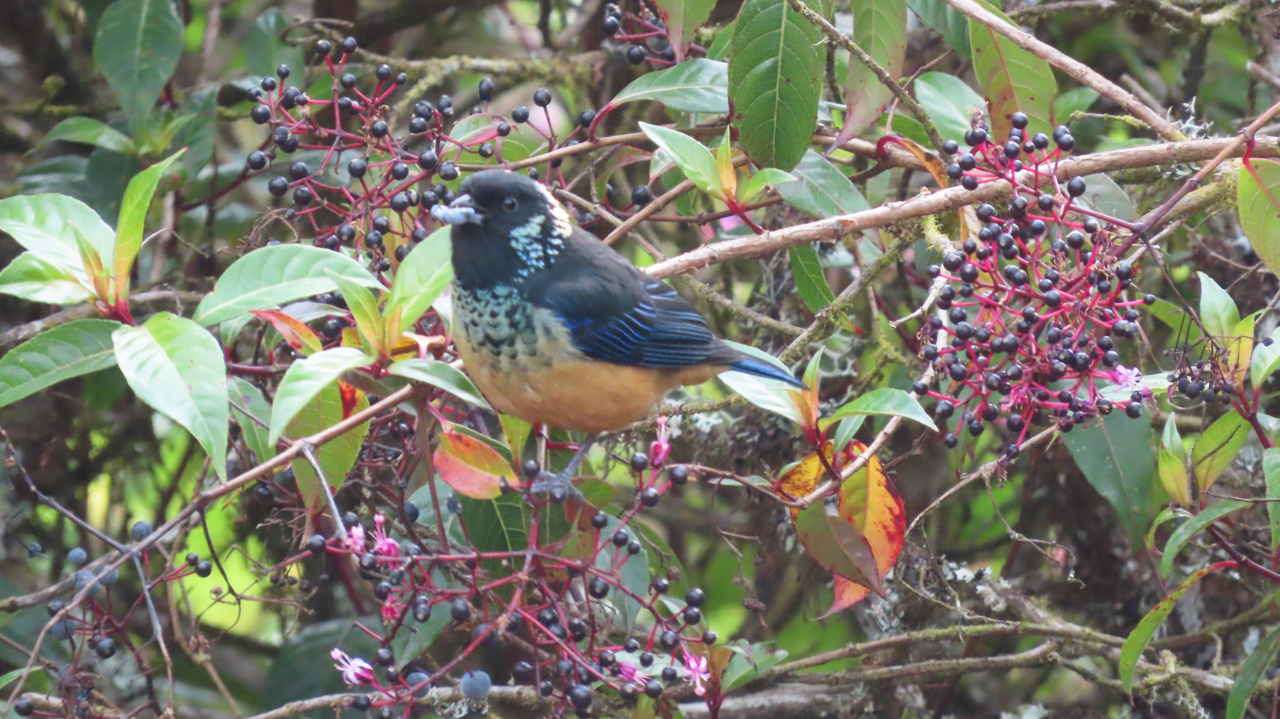
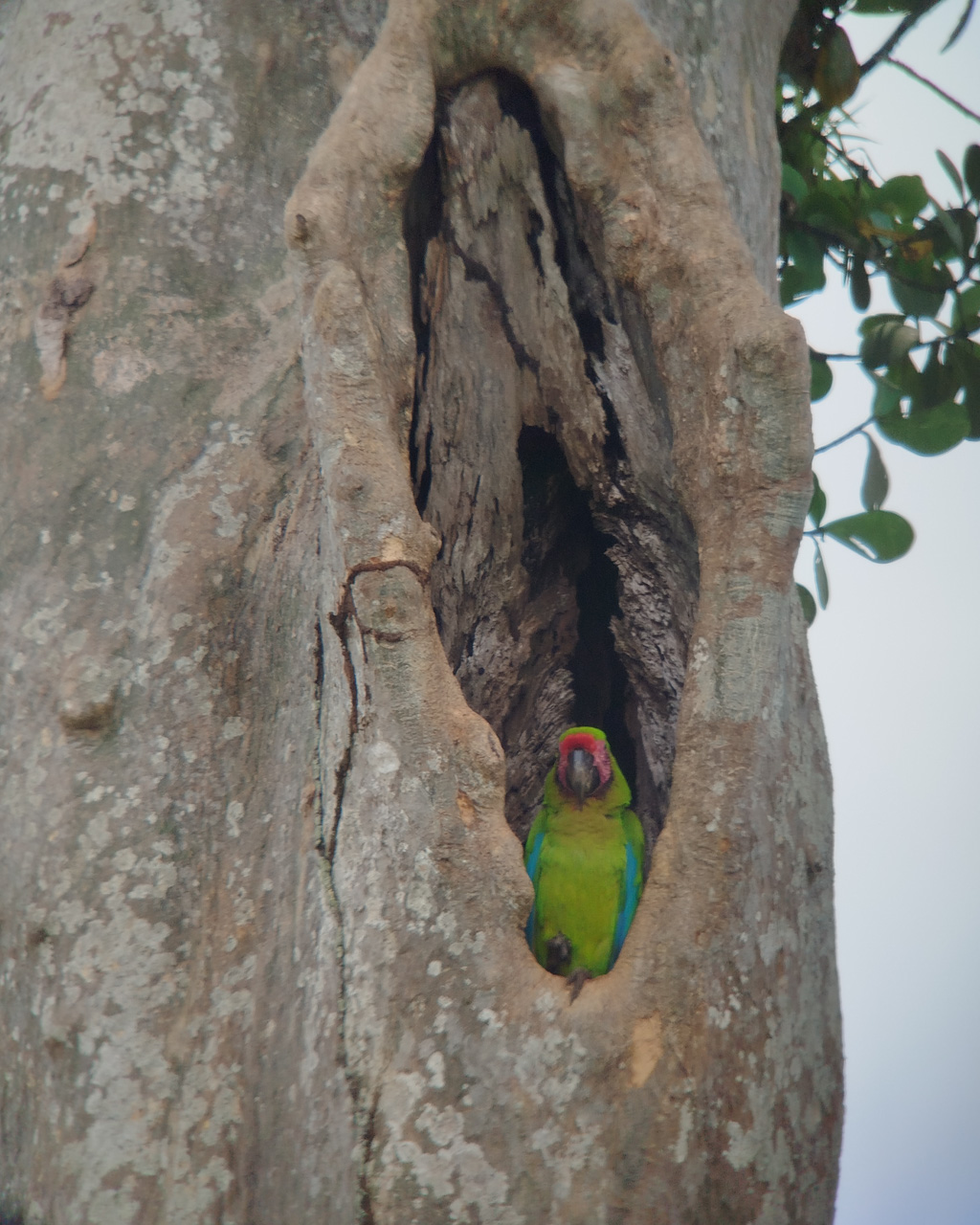
The group’s observations here included the Agami Heron (Agamia agami), a bird often described as the "jewel of the swamp" due to its secretive nature and iridescent plumage. The sighting of the Snowy Cotinga (Carpodectes nitidus) and the Great Green Macaw (Ara ambiguus) underscored the critical status of the Caribbean lowland forests. The Great Green Macaw is classified as Critically Endangered, and its presence at La Selva is a key indicator of the health of the biological corridor that connects Costa Rica with Nicaragua.
Data Analysis and Conservation Implications
The final tally of the eleven-day tour reflected a remarkable diversity of families, including hummingbirds, tanagers, antbirds, and raptors. However, the expedition also highlighted the ongoing threats to these habitats.
- Habitat Fragmentation: While protected areas like Carara and La Selva are thriving, the agricultural landscapes between them remain vulnerable. The "biological corridor" model, which seeks to connect isolated patches of forest, is essential for the survival of species like the Great Green Macaw.
- Climate Change: In the Talamanca Highlands, rising temperatures are pushing cloud-forest species to higher elevations. The "escalator to extinction" is a real concern for birds like the Resplendent Quetzal, which may eventually run out of suitable habitat as the tree line shifts.
- Ecotourism as a Conservation Tool: The expedition demonstrated the economic value of birding. By staying at specialized lodges and employing local guides, birding groups provide a financial incentive for landowners to preserve primary forest rather than converting it to pasture or monoculture crops like pineapple or palm oil.
Expert Reactions and Environmental Context
Local naturalists and conservationists associated with the sites visited expressed optimism regarding the current nesting season. Reports from the Talamanca region suggest that the Quetzal population has remained stable this year, thanks in part to the protection of wild avocado groves. Meanwhile, in the Tárcoles area, the continued presence of the American Crocodile (Crocodylus acutus) alongside a diverse array of shorebirds indicates a functioning, albeit pressured, estuarine ecosystem.
The tour leaders noted that the "Sampler" format is vital for public education. "By seeing the full spectrum of Costa Rica’s habitats in less than two weeks, participants gain a profound understanding of how interconnected these systems are," one guide remarked. "A bird that nests in the highlands might spend its non-breeding season in the lowlands. You cannot protect one without the other."
Conclusion and Future Outlook
The eleven-day expedition concluded with a final stop at the Cinchona hummingbird gallery, where the Red-headed Barbet (Eubucco bourcierii) and various mountain-gems provided a final display of the country’s color and variety. As the group departed for San José on March 23, the data collected added to the growing body of citizen-science records that help researchers track bird populations across Central America.
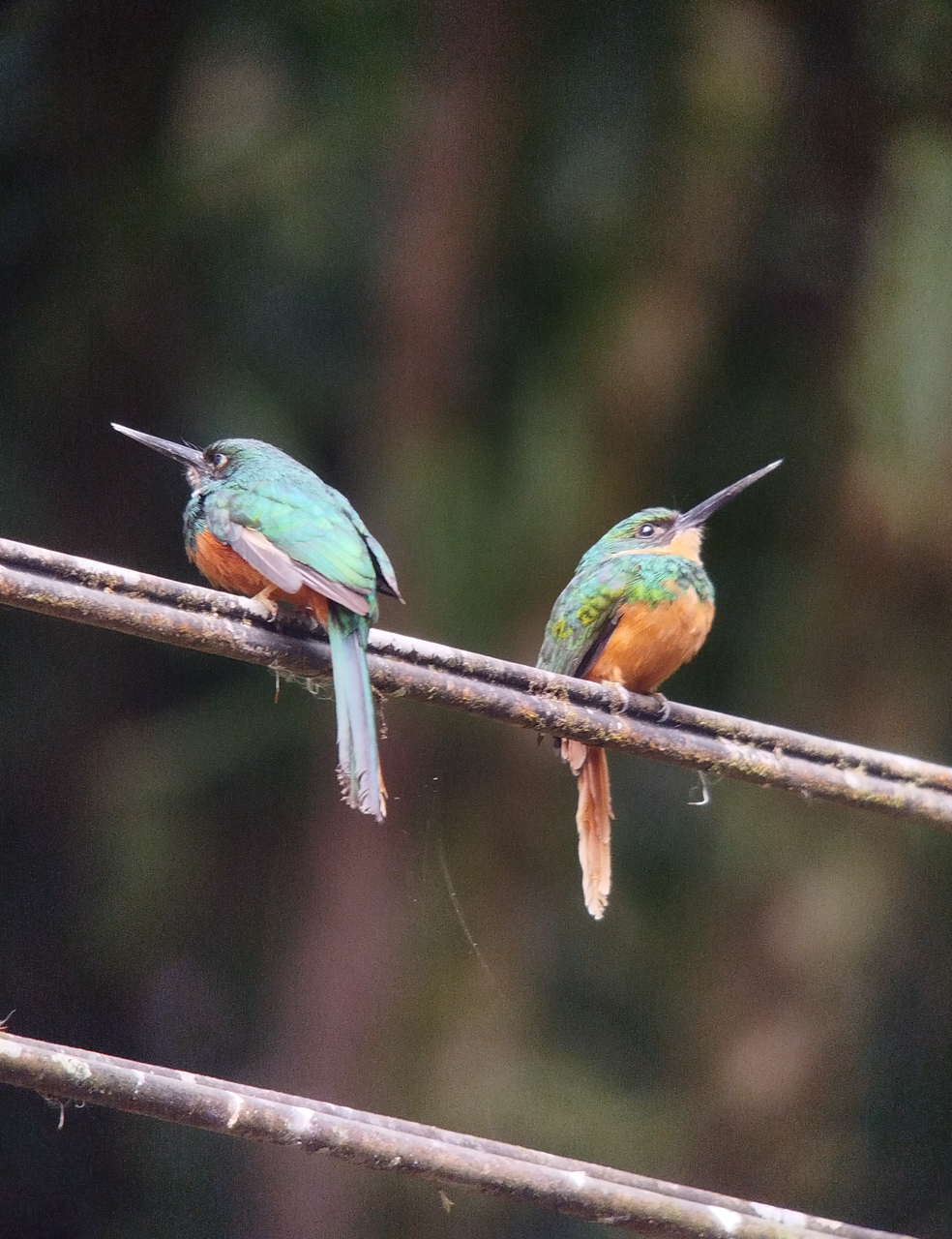
The success of the tour reaffirms Costa Rica’s position as a global leader in environmental stewardship. However, the expedition also serves as a reminder that the country’s avian treasures—from the tiny Coppery-headed Emerald to the majestic Ornate Hawk-Eagle—depend on the continued expansion of protected corridors and the global fight against climate change. The richness of the "Sampler" tour is not merely a luxury for birdwatchers but a vital metric of the planet’s ecological health.
