
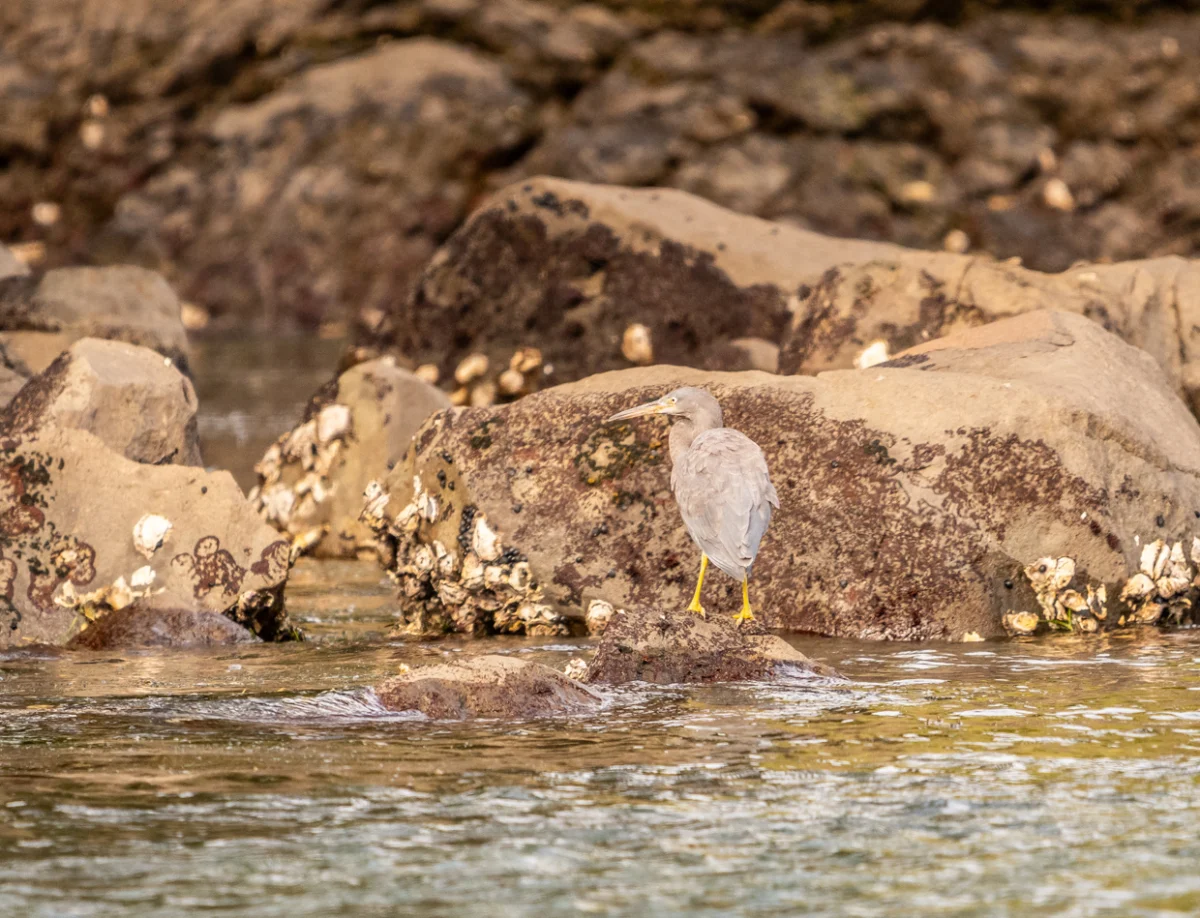
The recently concluded 22-day New Zealand birding expedition has documented a remarkable 147 avian species, underscoring the country’s status as a critical global hub for endemic biodiversity and marine life. Spanning both the North and South Islands, the tour provided unprecedented access to some of the world’s rarest birds, including the Erect-crested Penguin and the Baillon’s Crake. This comprehensive survey highlights the success of New Zealand’s intensive conservation efforts, particularly within its network of predator-free offshore islands and mainland "islands" protected by predator-proof fencing.

Geographic Scope and Conservation Context
New Zealand’s evolutionary history as a land largely devoid of land mammals led to the development of a unique avian ecosystem. However, the introduction of invasive predators has made many endemic species vulnerable. The expedition’s route was strategically designed to visit high-biodiversity "hotspots" where conservation management has allowed these species to rebound. From the subtropical waters of Whangarei to the sub-antarctic influences of Stewart Island, the tour monitored a diverse range of habitats including ancient podocarp forests, alpine ranges, and pelagic zones.

The data collected during the journey serves as a snapshot of the current state of New Zealand’s avifauna. Of the 147 species recorded, several are classified as "Nationally Critical" or "Nationally Endangered" by the New Zealand Department of Conservation (DOC). The observation of a New Zealand Fairy Tern, for instance, represents a sighting of one of the rarest birds on earth, with a total population estimated at only 45 individuals.

Chronology of the Expedition: Phase I – The Northern Sanctuaries
The journey commenced in Whangarei, focusing on the pelagic diversity of the Hauraki Gulf. On the second day, a maritime survey led by local experts yielded sightings of the New Zealand Storm-Petrel—a species once thought extinct until its rediscovery in 2003. Other significant maritime records included Pycroft’s Petrel, Cook’s Petrel, and Parkinson’s Petrel. These sightings confirm the continued health of the offshore breeding colonies on islands such as the Hen and Chickens and the Poor Knights.

Transitioning to terrestrial habitats, the group visited Tiritiri Matangi Island on Day 5. This island is a cornerstone of New Zealand’s restoration ecology. Records from the island included the North Island Kokako, the Stitchbird (Hihi), and the North Island Saddleback (Tieke). The presence of the South Island Takahe—a large, flightless rail—on the island further demonstrated the success of translocation programs designed to create "insurance populations" for species facing extinction on the mainland.

In the central North Island, specifically around Turangi and the Tongariro River, the expedition recorded the Blue Duck (Whio). This species is a specialist of fast-flowing river systems and serves as an indicator of high water quality and successful river-catchment predator control.

Chronology of the Expedition: Phase II – The Cook Strait and Kaikoura Pelagics
The expedition crossed the Cook Strait on Day 9, utilizing the ferry as a mobile observation platform. Despite the variable wind conditions, the survey recorded White-capped, Salvin’s, and Black-browed Albatrosses. The entry into the Marlborough Sounds provided sightings of the New Zealand King Shag, an endemic species with a highly restricted range and a total population of approximately 800 individuals.

Kaikoura, renowned for its deep-water canyon and nutrient-rich upwellings, served as the primary site for albatross observation. Despite a weather-induced cancellation on Day 11, the subsequent pelagic trip on Day 12 recorded an extraordinary density of tubenoses, including the Antipodean Albatross, Northern and Southern Royal Albatrosses, and the White-chinned Petrel. The proximity of these deep-sea foragers to the shoreline in Kaikoura remains one of the most significant biological phenomena in the Southern Hemisphere.

Chronology of the Expedition: Phase III – Alpine Transitions and Southern Wilderness
The mid-section of the tour focused on the Southern Alps and the West Coast. At Arthur’s Pass, the expedition monitored the Kea, the world’s only alpine parrot, known for its high intelligence and vulnerability to lead poisoning and predation. The Great Spotted Kiwi was also recorded via auditory surveys, confirming the presence of the largest kiwi species in the sub-alpine forests.
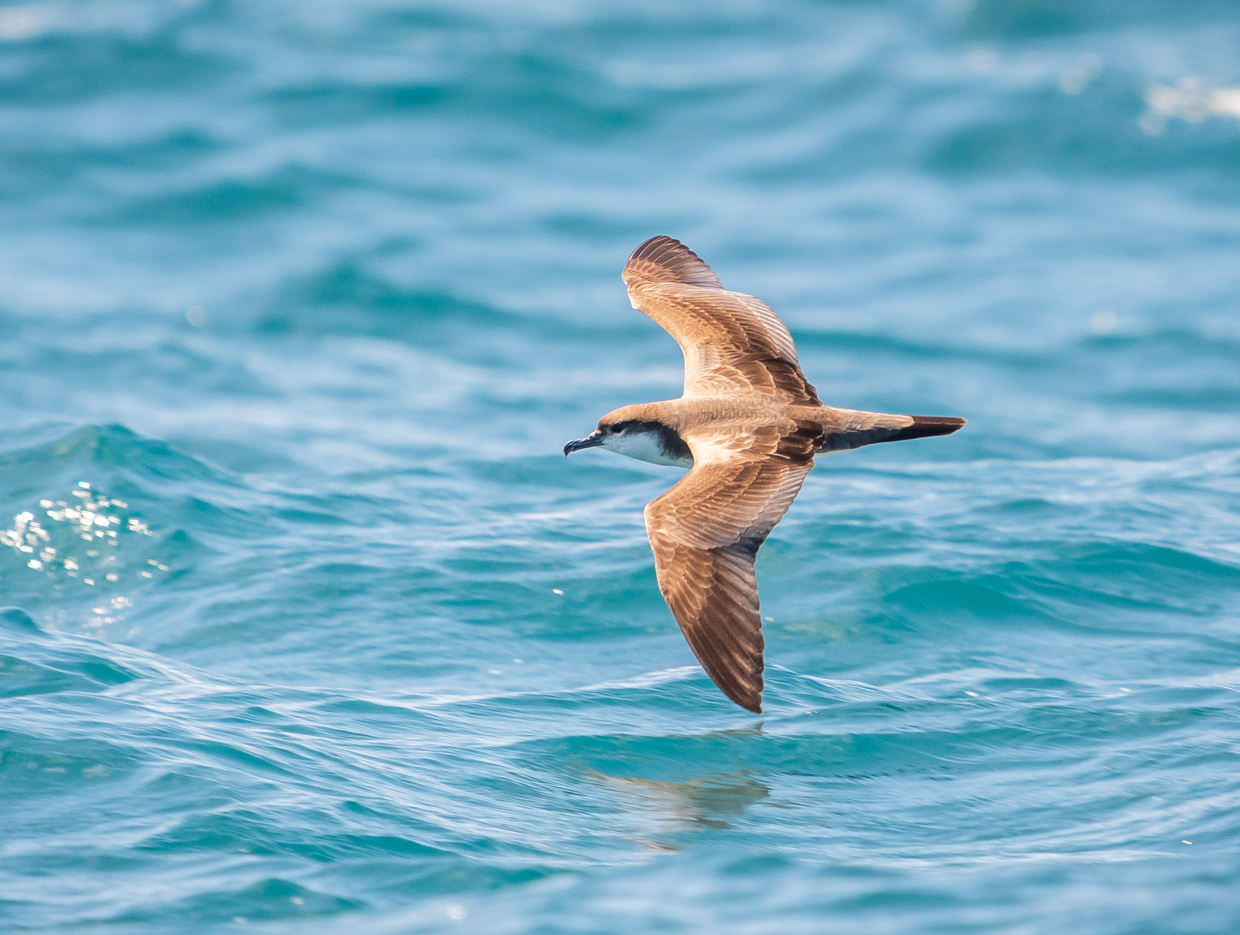
On the West Coast, the Okarito forest provided a critical encounter with the Rowi (Okarito Brown Kiwi). With a population once down to just 160 individuals, the Rowi has seen a significant recovery due to "Operation Nest Egg," a program that removes eggs from the wild, hatches them in captivity, and returns the sub-adults once they are large enough to defend themselves from stoats.

Chronology of the Expedition: Phase IV – Stewart Island and the Far South
The final leg of the journey took the expedition to Stewart Island (Rakiura) and Ulva Island. Ulva Island, being predator-free, allowed for the observation of the Yellowhead (Mohua), a small forest bird that has been decimated on the mainland by irruptions of rats and stoats.

A highlight of the Stewart Island segment was the nocturnal survey of the Southern Brown Kiwi (Tokoeka). Unlike other kiwi species, the Stewart Island subspecies is known to be occasionally active during the day, though the expedition’s primary sightings occurred during a structured night survey. The expedition also documented the Yellow-eyed Penguin (Hoiho), which is currently facing a dire population decline on the mainland due to disease and habitat loss, making the sightings on Stewart Island particularly significant for conservation monitoring.

Critical Sightings and Rare Vagrants
The expedition’s final days in Dunedin provided some of the most scientifically noteworthy data. The recording of an Erect-crested Penguin on the mainland is an exceptionally rare event, as this species typically breeds on the remote Bounty and Antipodes Islands. This sighting, along with observations of Fiordland Penguins and the Northern Royal Albatross colony at Taiaroa Head, provided a comprehensive overview of New Zealand’s penguin and albatross diversity.

The expedition also recorded several rare vagrants and secretive species:

- Baillon’s Crake: A highly elusive wetland bird recorded in a South Island marsh.
- Wrybill: The only bird in the world with a beak that curves sideways, recorded at the Miranda Shorebird Centre and southern estuaries.
- Black-fronted Dotterel: Exceptional close-quarter observations were made, providing data on the foraging behavior of this self-introduced species.
- Australasian Bittern: Two individuals were recorded, a significant finding given the species’ "Nationally Critical" status and the ongoing loss of 90% of New Zealand’s original wetlands.
Data Analysis and Ecological Implications
The recording of 147 species over three weeks indicates that while New Zealand’s biodiversity is under pressure, the infrastructure of "Mainland Islands" and offshore sanctuaries is functioning effectively. The diversity of albatrosses (8 species recorded) and penguins (5 species recorded) highlights New Zealand’s role as the "seabird capital of the world."

From a conservation management perspective, the presence of multi-generational families of Weka and the successful breeding of Northern Royal Albatrosses at Taiaroa Head suggest that intensive management can stabilize even the most vulnerable populations. However, the reliance on predator-proof fencing and constant trapping highlights the ongoing "war" against invasive mammals like stoats, rats, and possums.

Socio-Economic Impact of Eco-Tourism
Beyond the biological data, the expedition demonstrated the economic viability of eco-tourism in regional New Zealand. The tour supported local businesses in communities such as Whangarei, Kaikoura, and Oban. Regional operators, such as E-ko Tours and the Okarito Kiwi guides, provide the essential link between public interest and conservation funding. Many of these tours contribute directly to conservation trusts, meaning that birding expeditions are a vital component of the funding model for protecting New Zealand’s natural heritage.

Conclusion and Future Outlook
The 22-day expedition concluded in Dunedin, having successfully traversed the length of the country and documented a significant portion of its extant birdlife. The findings reinforce the importance of the "Predator Free 2050" goal—a government-led initiative to eradicate the most damaging invasive predators from the country.

The data from this tour suggests that New Zealand remains a premier destination for ornithological study and eco-tourism. The successful observation of cryptic species like the South Island Wren and the rare Erect-crested Penguin serves as a reminder of the hidden complexities of this island nation’s ecology. As climate change and habitat fragmentation continue to pose threats, the continued monitoring and documentation of these species remain essential for their long-term survival.
