
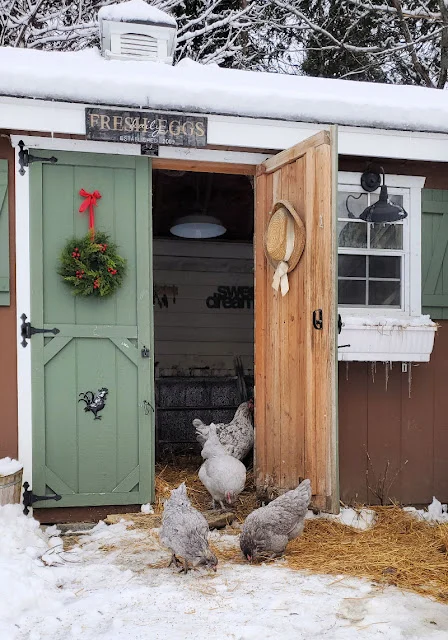
As the northern hemisphere enters the peak of the winter season, agricultural experts and backyard poultry enthusiasts are shifting their focus toward the specialized requirements of avian husbandry in sub-zero temperatures. While it is a biological fact that chickens are significantly more resilient to cold than to extreme heat, the transition to winter requires a rigorous management strategy to prevent flock attrition, frostbite, and respiratory distress. Maintaining a healthy flock through the winter months involves a multi-faceted approach encompassing structural engineering of the coop, nutritional adjustments, and behavioral monitoring to mitigate the stresses of confinement.
The Physiological Basis of Avian Cold Hardiness
To understand winter care, one must first analyze the physiological mechanisms chickens use to regulate their internal temperature. A chicken’s normal body temperature ranges between 105°F and 107°F (40.5°C to 41.6°C). To maintain this high metabolic heat, chickens rely on their plumage, which acts as a highly efficient insulation layer. By fluffing their feathers, chickens trap pockets of air against their skin, creating a thermal barrier.

However, this natural insulation is only effective if the bird remains dry and the feathers are in good condition. During the molting season, which typically precedes winter, chickens require increased protein intake to regenerate feathers. Experts note that a chicken with incomplete feathering is at a severe disadvantage when temperatures drop below freezing. Furthermore, the metabolic cost of staying warm is significant; a chicken’s caloric requirement can increase by 25% to 50% during periods of extreme cold as the body burns energy simply to maintain its core temperature.
Infrastructure and Habitat Management: The Coop and Run
The primary defense against winter mortality is the coop environment. Journalistic investigations into poultry mortality rates during winter storms often highlight two primary culprits: dampness and drafts. A drafty coop strips away the warm air trapped in a bird’s feathers, while a damp coop leads to frostbite and respiratory infections.
The Ventilation Paradox
One of the most common errors in amateur poultry management is the complete sealing of the coop to "keep the heat in." Agricultural scientists warn that chickens exhale a significant amount of moisture and produce ammonia through their droppings. Without proper ventilation, this moisture condenses on the birds’ combs and wattles, leading to ice crystal formation and subsequent frostbite. Professional standards dictate that ventilation should be located high above the birds’ heads—near the roofline—to allow moist, warm air to escape without creating a direct breeze on the huddling flock.

The Deep Litter Method as a Biological Heater
A growing trend in sustainable poultry management is the "Deep Litter Method." This involves allowing a thick layer of organic bedding (such as pine shavings) and manure to accumulate and decompose on the coop floor throughout the winter. When managed correctly with regular turning and the addition of carbon-rich material, the decomposition process becomes aerobic, generating a modest amount of heat. Data suggests that a well-maintained deep litter system can raise the ambient temperature of a coop by 5 to 10 degrees Fahrenheit compared to the outside air, while also fostering beneficial microbes that suppress pathogens.
Winterizing the Run
While chickens may be hesitant to step directly onto snow, access to the outdoors is vital for their mental health and vitamin D synthesis. Strategic winterizing includes wrapping the poultry run in heavy-duty clear plastic or windbreaking fabric. This creates a "greenhouse effect," providing a sun-warmed, wind-free area for the birds to exercise. Providing "perch points" made of logs or recycled pallets prevents the birds’ feet from making prolonged contact with the frozen ground, further reducing the risk of frostbite.
Nutritional Strategies and Hydration
Winter nutrition is not merely about quantity, but about the strategic timing and composition of the diet. As foraging opportunities for insects and greens vanish under the snow, the flock becomes entirely dependent on provided rations.

Caloric Loading and Night-time Thermogenesis
Experienced keepers often implement a "late-night snack" strategy. Feeding cracked corn or scratch grains shortly before dusk provides the birds with complex carbohydrates that take several hours to digest. The metabolic process of breaking down these grains generates internal body heat throughout the night, acting as a biological furnace during the coldest hours of the 24-hour cycle.
The Critical Importance of Liquid Water
Dehydration is a silent killer in winter flocks. A chicken cannot digest food properly without adequate water intake. When water sources freeze, birds may stop eating, leading to a rapid decline in body condition. Data from avian health studies indicate that chickens prefer water between 50°F and 55°F. To ensure constant access, many modern operations utilize thermostatically controlled heated waterers or "cookie tin heaters" placed under traditional fonts.
Health Monitoring and Disease Prevention
Winter presents unique pathological challenges. While many bacteria are less active in the cold, the concentration of birds in enclosed spaces increases the risk of viral transmission and respiratory ailments.

Frostbite Identification and Treatment
Frostbite typically affects the extremities—combs, wattles, and toes. Breeds with large, single combs (such as Leghorns) are particularly susceptible. When tissue freezes, it turns gray or yellowish and eventually black as the tissue dies. While the application of petroleum jelly was once a standard recommendation to prevent frostbite, modern veterinary advice emphasizes that reducing humidity in the coop is a far more effective preventative measure.
Respiratory Health
Ammonia buildup is a significant risk in winter. If a human can smell ammonia when entering the coop, the levels are already high enough to damage the sensitive respiratory linings of the birds. This damage makes them highly susceptible to Chronic Respiratory Disease (CRD) and other opportunistic infections. Consistent monitoring of air quality and bedding moisture is mandatory for winter flock health.
Behavioral Welfare: Combating "Coop Fever"
Chickens are highly intelligent and social creatures. When confined for long periods due to inclement weather, they often develop behavioral vices such as feather pecking or egg eating.

Enrichment Techniques
To mitigate boredom, experts recommend several "boredom busters":
- Peck Toys: Hanging a head of cabbage or a "flock block" of seeds just out of reach encourages jumping and activity.
- Dust Baths: Even in winter, chickens need to bathe to prevent mites and lice. Providing a tub of dry dirt and wood ash inside the coop or run is essential.
- Mirror and Perches: Adding temporary mirrors or new climbing structures can provide enough environmental novelty to distract from aggressive behaviors.
Chronology of Winter Preparation
The management of a winter flock is a seasonal progression that begins long before the first frost:
- September – October (Pre-Winter Audit): This period is dedicated to structural repairs. Keepers check for roof leaks, reinforce predator-proofing (as predators become more desperate in winter), and ensure the flock has completed its molt.
- November (Transition Phase): As temperatures drop, keepers begin introducing higher-calorie treats and set up heated watering systems. The "Deep Litter" base is established.
- December – February (Active Management): This is the high-maintenance phase. Daily tasks include checking for frozen water, collecting eggs frequently to prevent them from cracking due to freezing, and monitoring for signs of illness.
- March (The Thaw): As spring approaches, the focus shifts to cleaning out the deep litter (which serves as excellent garden compost) and transitioning the birds back to a standard protein-to-carbohydrate ratio.
Economic and Social Implications
The rising popularity of backyard poultry—a trend accelerated by the supply chain disruptions of the early 2020s—has brought winter chicken care into the mainstream. According to market data, the sale of "winter essential" poultry supplies, including heated waterers and coop insulation, has seen a year-over-year increase of approximately 15%.

From a food security perspective, maintaining winter egg production is a priority for many households. While egg production naturally slows down as daylight hours decrease (due to the hormonal trigger in the chicken’s pituitary gland), providing supplemental light to maintain a 14-hour day can keep hens laying. However, this practice is debated among purists who believe a winter "rest" is more beneficial for the bird’s long-term health.
Conclusion and Expert Outlook
The consensus among poultry experts, including noted authorities like Lisa Steele, is that winter chicken care is less about "heating" and more about "husbandry." Providing a dry, draft-free environment and caloric support allows the birds’ natural biological defenses to function optimally.
As climate patterns become more volatile, with "polar vortex" events reaching further south, the ability to manage a flock in extreme cold is becoming a necessary skill for poultry keepers regardless of geography. The long-term success of backyard farming depends on this rigorous adherence to welfare standards, ensuring that flocks remain healthy, productive, and resilient throughout the harshest months of the year. Through a combination of traditional "old-timer" methods and modern nutritional science, keepers can ensure their birds do not just survive the winter, but thrive within it.
