
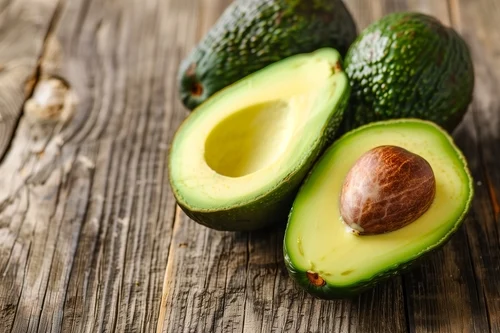
The rising popularity of backyard poultry keeping has brought with it a renewed focus on avian nutrition and the potential hazards found in common household kitchen scraps. While many owners view their chickens as efficient biological recyclers capable of consuming various food remnants, veterinary experts are issuing urgent warnings regarding one specific fruit: the avocado. According to clinical data and the Merck Veterinary Manual, all components of the avocado plant—including the flesh, skin, pit, bark, and leaves—contain a fungicidal toxin known as persin, which is lethal to a wide variety of bird species and several mammals.
For the modern homesteader, the avocado often represents a healthy staple of the human diet, rich in monounsaturated fats and essential nutrients. However, the physiological response in avian species is drastically different. The presence of persin (C23H40O4), a fatty acid derivative, triggers a series of cardiovascular events that can lead to rapid death. Experts emphasize that the risk is not merely a matter of digestive upset; it is a profound toxicological threat that can decimate a flock within hours of ingestion.
The Biochemical Profile of Persin
Persin is a naturally occurring oil-soluble compound found in the avocado plant (Persea americana). Its primary biological function is to act as a natural fungicide, protecting the plant from various fungal infections. While humans can metabolize this compound without ill effects, many animals lack the specific metabolic pathways to neutralize the toxin.

In susceptible species, particularly birds, persin targets the myocardial cells (heart muscle cells). Upon ingestion, the toxin causes myocardial necrosis—the death of heart tissue. This leads to a decrease in cardiac output, resulting in pulmonary edema (fluid in the lungs) and hydropericardium (fluid accumulation around the heart). As the heart fails to pump effectively, the animal suffers from a lack of oxygen, eventually succumbing to heart failure.
Anatomical Distribution of the Toxin
While the entire avocado plant is considered hazardous, the concentration of persin varies significantly between its different parts. Veterinary research indicates that the leaves of the avocado tree contain the highest concentration of the toxin. For poultry owners who live in climates where avocado trees can be grown, this poses a dual threat: the fruit itself and the fallen leaves or bark that chickens may forage in the yard.
The skin and the pit (seed) also contain high levels of persin. While the flesh of the fruit contains the lowest concentration compared to the leaves, it remains dangerous. Studies have shown that for small birds, such as parakeets or canaries, consuming even a minute amount—less than 5% of a single avocado—can result in death within 24 to 48 hours. For larger birds like chickens and turkeys, the cumulative effect of pecking at a discarded avocado half can be equally fatal.
Clinical Symptoms and Chronology of Toxicosis
The progression of avocado toxicosis is often swift, leaving little room for medical intervention. Understanding the timeline of symptoms is crucial for poultry keepers who suspect their birds have accessed toxic material.

- Initial Ingestion (0–12 Hours): In the immediate hours following ingestion, there may be few outward signs of distress. The bird may continue to forage or socialize normally while the toxin begins to affect the heart muscle.
- Early Onset (12–24 Hours): The first clinical signs usually include a noticeable decrease in activity. Birds may appear lethargic, ruffled, or disinterested in their usual feed. Respiratory rates may begin to increase slightly as the heart begins to struggle.
- Acute Phase (24–48 Hours): As pulmonary edema sets in, the bird will exhibit "orthopneic positioning"—extending the neck and gasping for air with an open beak. Inability to perch, weakness in the legs, and a dark or bluish tint to the comb and wattles (cyanosis) indicate a severe lack of oxygen.
- Terminal Event: Most fatal cases conclude with sudden death due to cardiac arrest. Because birds are biologically programmed to hide illness to avoid predators, they may appear relatively "fine" until they are in the final stages of heart failure.
Species Susceptibility: Beyond the Chicken Coop
While chickens are a primary concern for backyard farmers, they are far from the only species at risk. The Merck Veterinary Manual and various agricultural extensions have documented persin poisoning in a diverse array of animals.
Avian Species: In addition to chickens and turkeys, ostriches, emus, and nearly all caged pet birds (parrots, cockatiels, finches) are highly sensitive. The high metabolic rate of birds makes them particularly vulnerable to toxins that affect oxygen transport and cardiac function.
Small Mammals: Guinea pigs, rabbits, mice, and rats have shown high sensitivity to persin. In these animals, the toxin often causes mastitis (inflammation of the mammary glands) in lactating females, in addition to heart damage.
Livestock: Sheep and goats are among the most susceptible ruminants. Ingestion of avocado leaves by these animals can lead to sudden death or permanent cardiac scarring. Horses are also at risk, often exhibiting edema of the head, neck, and chest after consuming avocado plant matter.
Aquatic Life: Some species of fish are also vulnerable to avocado runoff or the disposal of avocado waste into ponds, which can lead to respiratory failure through gill interference and systemic toxicity.
The Context of the Backyard Poultry Boom
The danger of avocado ingestion has become a more prominent issue in recent years due to the "homesteading" movement. As more families in suburban and urban environments adopt chickens, the practice of feeding "kitchen scraps" has become a standard method of waste reduction.
However, the lack of professional agricultural training among many new poultry owners has led to accidental poisonings. Unlike commercial poultry operations, where feed is strictly controlled and lab-tested, backyard flocks rely heavily on the discretion of their owners. The misconception that "if it’s healthy for me, it’s healthy for them" is a primary driver of these toxicological incidents.

Agricultural experts suggest that the safest policy is a "zero-tolerance" approach to avocados in the coop. This includes ensuring that compost bins containing avocado pits or skins are securely covered and inaccessible to free-ranging birds.
Veterinary Responses and Treatment Limitations
Currently, there is no specific antidote for persin poisoning. Veterinary care for an animal that has ingested avocado is primarily supportive. For valuable livestock or pets, this may include the administration of activated charcoal to prevent further absorption of the toxin, provided the ingestion occurred recently.
Diuretics may be used to reduce fluid accumulation around the heart and lungs, and oxygen therapy can assist birds in respiratory distress. However, the prognosis for birds showing clinical signs of avocado toxicosis is generally poor. The damage to the myocardium is often irreversible, and the stress of handling a bird in respiratory failure can sometimes trigger the final cardiac event.
Broader Implications for Food Safety and Waste Management
The toxicity of avocados serves as a case study for a broader conversation about safe supplemental feeding in the poultry industry. While chickens are omnivores and can benefit from a varied diet including greens, grains, and certain proteins, the list of "forbidden foods" is significant.

In addition to avocados, poultry owners are cautioned against:
- Dried or undercooked beans (containing hemagglutinin).
- Moldy or spoiled feed (containing mycotoxins).
- Chocolate and caffeine (containing methylxanthines).
- High-salt foods (which can lead to salt poisoning and kidney failure).
- Green potato skins and tomato leaves (containing solanine).
The persistence of the avocado myth—that only the pit is dangerous—continues to be a challenge for avian educators. Journalistic investigations into poultry health emphasize that clear, factual dissemination of information is the only way to prevent avoidable flock losses.
Prevention and Best Practices for Owners
To mitigate the risk of accidental poisoning, experts recommend a structured approach to flock management. First, owners should conduct a "botanical audit" of their property. In regions like California, Florida, and parts of the South where avocado trees are common, owners should fence off the drip line of the trees to prevent chickens from consuming fallen leaves or bark.
Second, education is paramount. All members of a household should be informed that avocados are strictly off-limits for the birds. This is especially important for households with children or visitors who might unintentionally toss a piece of fruit into the coop.

Finally, the agricultural community advocates for the use of "safe treat" lists. Foods such as watermelon, cucumbers, kale, and mealworms provide the enrichment and nutritional variety that owners seek to provide without the lethal risks associated with Persea americana.
Conclusion
The toxicity of avocados to chickens and other livestock is a stark reminder of the biological differences between humans and the animals in our care. What is a "superfood" for one species is a potent poison for another. As the trend toward self-sufficiency and backyard farming grows, the responsibility of the owner to understand the complex nutritional needs and vulnerabilities of their flock becomes a critical component of animal welfare. By adhering to veterinary guidelines and maintaining a strictly controlled diet, poultry keepers can ensure the health and longevity of their birds, keeping the "hidden danger" of the avocado far from the coop.
