
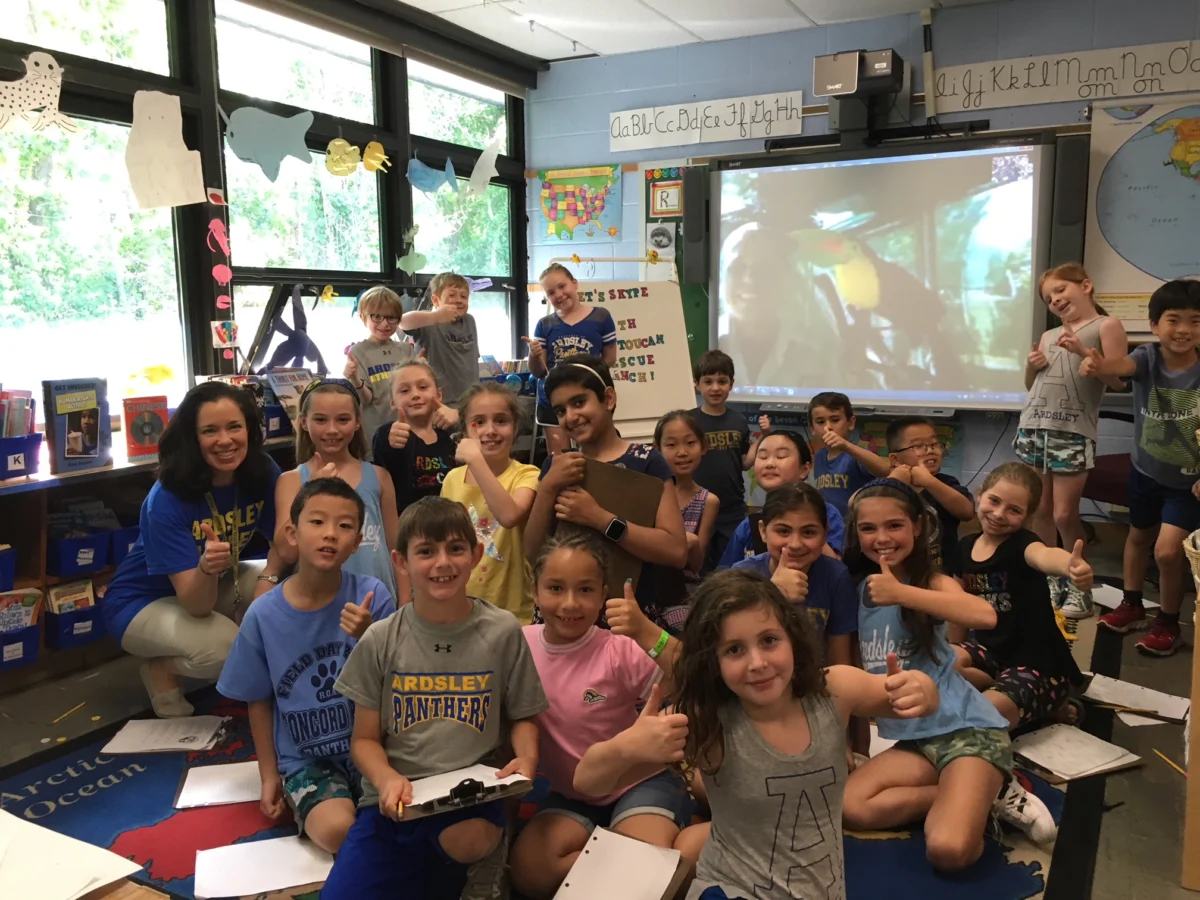
The Toucan Rescue Ranch (TRR), a prominent wildlife rescue and rehabilitation facility located in Costa Rica, has officially expanded its multifaceted Education Program, marking a significant evolution in the organization’s mission to preserve the region’s rich biodiversity. While the ranch has long been recognized for its clinical excellence in treating injured and orphaned wildlife, this strategic shift emphasizes that long-term conservation is unattainable without a robust, global educational framework. By integrating interactive sanctuary tours, school-tailored curricula, and high-tech virtual platforms, the program seeks to bridge the gap between scientific rescue operations and public environmental stewardship.
A Holistic Approach to Wildlife Conservation
The Education Program at Toucan Rescue Ranch is built on the premise that rescue and rehabilitation are reactive measures, whereas education is a proactive solution to the systemic threats facing Costa Rican wildlife. The program is designed to foster a deep-seated understanding of environmental ethics and the intricate roles that various species play within the rainforest ecosystem.
Central to this initiative are the interactive learning experiences offered at the sanctuary’s headquarters. Unlike traditional zoo settings, the educational tours at TRR are structured as immersive narratives. Participants are introduced to the individual stories of rescued animals—many of whom were victims of habitat loss, power line accidents, or the illegal pet trade. These tours provide more than just a visual encounter; they offer technical insights into animal behavior, specific dietary needs, and the complex biological requirements of species such as the keel-billed toucan and the two-toed sloth.
Chronology of Educational Evolution
The trajectory of the Toucan Rescue Ranch’s educational outreach has seen steady growth since the organization’s inception in 2004. Initially founded as a sanctuary specifically for toucans, the facility soon realized that the community lacked a centralized resource for broader wildlife education.
In the early 2010s, TRR began formalizing its onsite tours to accommodate local schools in the Heredia province. By 2015, the ranch recognized a growing international interest, leading to the development of specialized workshops for university students and veterinary researchers. The most significant shift occurred during the 2020 global pandemic, which necessitated a transition to digital platforms. This period saw the birth of the ranch’s virtual learning modules, which have now been permanently integrated into their educational suite. In 2024, the program reached a new milestone through its high-profile partnership with "Exploring By The Seat Of Your Pants," a global initiative founded by National Geographic Explorer Joe Grabowski.
Strategic Partnership with Exploring By The Seat Of Your Pants
A cornerstone of the current Education Program is the collaboration with Exploring By The Seat Of Your Pants (EBTSOYP). Founded in September 2015, EBTSOYP was created with the mission of bringing the world’s most remote scientific and conservation efforts directly into the classroom via virtual reality and live-streaming technology. To date, the organization has facilitated over 1,000 live events, connecting hundreds of thousands of students in more than 60 countries with experts in the field.
Through this partnership, Toucan Rescue Ranch offers monthly virtual visits specifically focused on one of the world’s most charismatic and misunderstood mammals: the sloth. These 40-minute sessions are facilitated by TRR’s expert educators and are provided free of charge to classrooms across North America and beyond. The sessions provide a live window into the "Saving Sloths Together" program—a joint initiative between TRR and The Sloth Institute of Costa Rica.
During these broadcasts, students witness the real-world application of conservation biology. They learn about the "soft release" process, where hand-raised sloths are gradually reintroduced to the wild, and the technical challenges of tracking these animals using radio telemetry. Each session concludes with a live Q&A, allowing students to engage directly with conservationists, thereby humanizing the scientific process and inspiring potential careers in STEM (Science, Technology, Engineering, and Mathematics).
Tailored Curricula and Pedagogical Impact
The Toucan Rescue Ranch has meticulously aligned its educational content with international curriculum standards. This ensures that the sessions are not merely extracurricular activities but are valuable pedagogical tools for educators. The programs cover a wide array of scientific disciplines, including:
- Ethology: Studying the natural behaviors of animals and how these are altered by human encroachment.
- Ecology: Understanding the symbiotic relationships within the rainforest, such as the role of toucans in seed dispersal.
- Environmental Science: Analyzing the impact of climate change and deforestation on local microclimates in Costa Rica.
- Conservation Ethics: Discussing the legal and moral implications of the wildlife trade and the importance of "sloth-friendly" infrastructure, such as insulated power lines.
For schools and community groups that require a more personalized approach, TRR offers tailored programs. These can be adjusted based on the age group of the participants, ranging from elementary students learning basic biology to graduate students requiring in-depth data on rehabilitation success rates.
Data-Driven Conservation Success
The impact of the Education Program is underscored by the broader success metrics of the Toucan Rescue Ranch. Costa Rica, despite covering only 0.03% of the earth’s surface, contains nearly 6% of the world’s biodiversity. This high density of life makes it a critical theater for conservation efforts.
According to internal data, the Toucan Rescue Ranch processes hundreds of animals annually. The "Saving Sloths Together" program alone has seen a significant increase in successful releases due to improved public awareness; local residents are now more likely to report injured animals quickly, and there is a growing community-led effort to plant biological corridors.
Furthermore, the virtual outreach component has democratized access to conservation education. By removing the financial and geographical barriers of international travel, TRR has managed to export the "Costa Rican model" of conservation to schools in urban centers and rural areas worldwide. The $25 donation incentive for participating classrooms has also created a sustainable micro-funding stream, where small contributions from thousands of students directly fund the medical supplies and specialized milk formulas required for orphaned sloths.
Official Perspectives and Community Response
While the ranch operates as a non-profit entity, it works in close coordination with the Costa Rican Ministry of Environment and Energy (MINAE). Official statements from the ranch emphasize that the Education Program is a vital component of the national strategy to reduce wildlife-human conflict.
"Education is the most powerful tool we have to ensure that the animals we release today have a safe environment to return to tomorrow," a TRR representative noted. "When a student in a classroom thousands of miles away learns why they should never take a ‘sloth selfie’ in the wild, that is a tangible win for conservation."
Community leaders in the San José and Heredia regions have also praised the program for its local impact. By employing local guides and educators, the ranch provides economic opportunities that are tied directly to the preservation of nature rather than its exploitation.
Broader Implications for Global Conservation
The success of the Toucan Rescue Ranch’s Education Program offers a blueprint for other conservation organizations globally. It demonstrates that in the digital age, a sanctuary’s influence need not be confined by its physical fences. By leveraging partnerships with National Geographic Explorers and digital platforms, small-scale rescue operations can achieve a global footprint.
The implications of this reach are profound. As habitat loss continues to be the leading threat to global biodiversity, creating a "global network of informed and passionate advocates" is no longer a luxury—it is a necessity. The program’s focus on the "Saving Sloths Together" initiative serves as a case study in how charismatic megafauna can be used as "umbrella species" to protect entire ecosystems. By fostering an emotional and intellectual connection to sloths and toucans, the program effectively advocates for the protection of the entire rainforest habitat.
As the Toucan Rescue Ranch continues to refine its educational offerings, the focus remains on the future. With plans to expand virtual tours to include nocturnal wildlife and the intricate world of tropical raptors, the organization is poised to remain at the forefront of environmental education. For the teachers, students, and wildlife enthusiasts involved, the program is more than a lesson; it is an invitation to participate in the ongoing story of life in the Costa Rican rainforest.
