
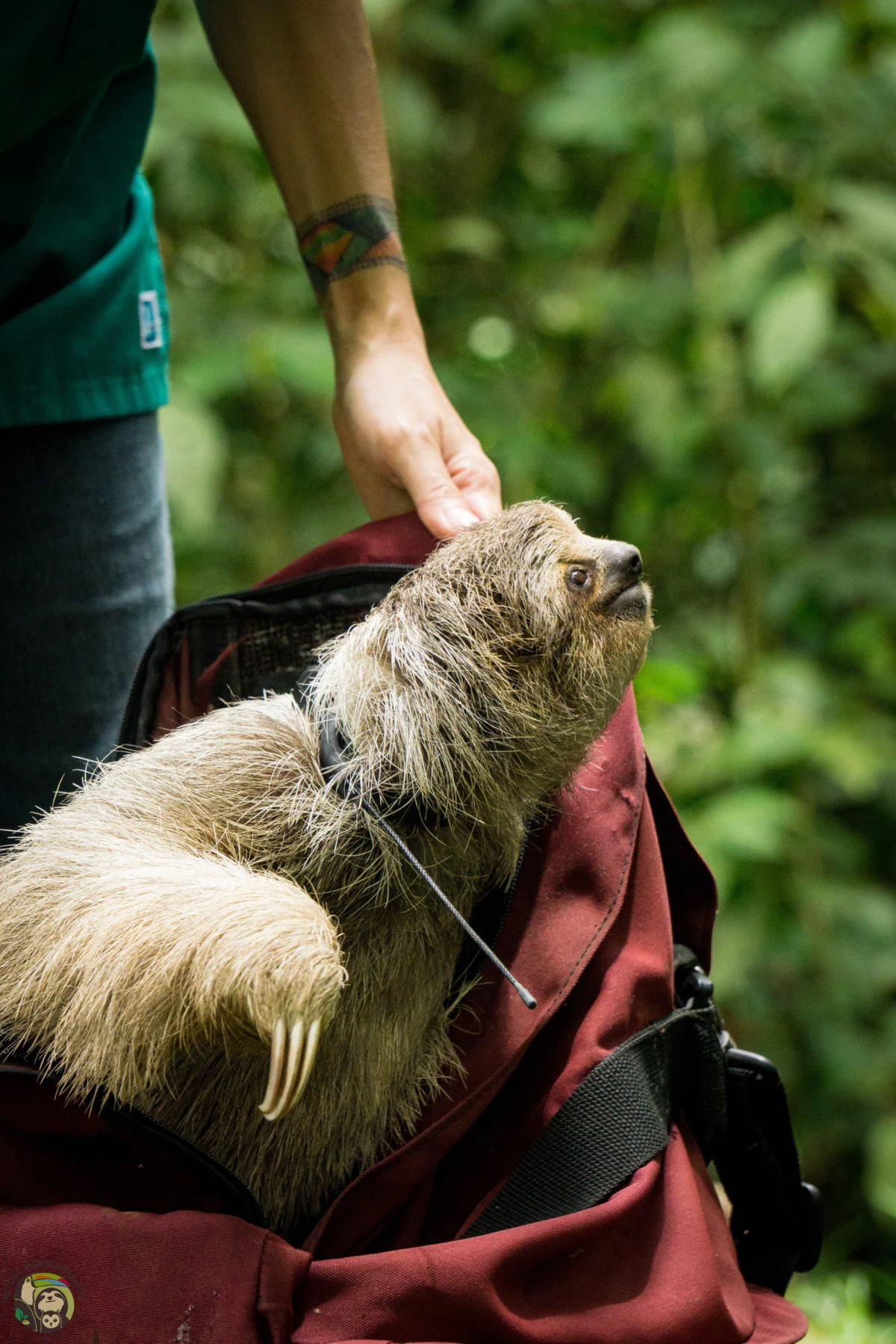
The Toucan Rescue Ranch, a prominent wildlife rescue and rehabilitation facility based in Costa Rica, has formalised its Release Program as a cornerstone of its conservation mission, aiming to provide a pathway for injured and displaced animals to return to their natural ecosystems. Situated in a region of the world that contains nearly 6% of global biodiversity, the organization operates at the intersection of veterinary science and ecological restoration. The program is designed to address the complex challenges facing Costa Rican wildlife, which frequently fall victim to habitat fragmentation, electrocution on power lines, and the pervasive illegal pet trade. By implementing a rigorous, multi-stage rehabilitation process, the Toucan Rescue Ranch (TRR) ensures that rescued animals do not merely survive their injuries but regain the specialized skills necessary for independent life in the rainforest.
The Chronology of Rehabilitation: From Triage to the Trees
The lifecycle of a rescue at the Toucan Rescue Ranch follows a strict chronological progression designed to maximize the chances of successful reintegration. This process begins with the "Rescue and Triage" phase. Upon arrival, animals are subjected to a comprehensive medical evaluation by a team of specialized veterinarians. Many subjects arrive in critical condition, suffering from compound fractures, severe dehydration, or psychological trauma resulting from captivity. During this initial stage, the focus is on stabilizing the animal through emergency surgery, specialized nutritional support, and quarantine protocols to prevent the spread of zoonotic diseases.
Following medical stabilization, the "Recovery and Enrichment" phase commences. This period is characterized by the gradual transition from clinical care to behavioral conditioning. For animals that have spent time in the illegal pet trade, this stage is particularly arduous. Specialists work to "de-habituate" the animals, reducing their comfort levels around humans to ensure they maintain a healthy, life-saving fear of people once released. Enrichment activities—such as hiding food to encourage foraging or providing complex climbing structures—are utilized to rebuild muscle tone and cognitive function.
The final stage is the "Pre-Release Assessment." During this period, the TRR team evaluates whether the animal has met specific biological benchmarks. For avian species, this includes the ability to fly sustained distances and navigate complex canopy structures. For mammals, such as sloths or anteaters, the focus is on their ability to identify safe food sources and defend themselves against predators. Only after passing these assessments is an animal moved to a "soft release" site.
Distinguishing Release Candidates from Permanent Residents
A critical component of the TRR mission is the objective classification of animals into two distinct categories: release candidates and permanent residents. This decision-making process is conducted in close collaboration with Costa Rica’s Ministry of Environment and Energy (MINAE), the governing agency for wildlife.
Release candidates are typically those that have maintained their wild instincts. Adult animals that were injured in the wild often make the best candidates because they possess "environmental memory"—an existing knowledge of how to hunt, forage, and avoid threats. Additionally, the Toucan Rescue Ranch’s specialized breeding programs for certain species, such as toucans, produce offspring that are raised with minimal human contact. These young birds are considered prime candidates for release because they are blank slates, uncorrupted by the domestic environment.
Conversely, the facility also serves as a long-term sanctuary for permanent residents. These are animals whose injuries are too severe for them to survive in the wild—such as an owl missing a wing or a primate that has become dangerously habituated to humans through years of being kept as a pet. Releasing such animals would be ethically irresponsible, as they would likely succumb to starvation or predation within days. Instead, these residents serve as "ambassadors" for their species. By participating in controlled educational programs, they help the public understand the consequences of the illegal pet trade and the importance of preserving natural habitats.
Strategic Site Selection and the Role of Protected Lands
The success of a wildlife release is heavily dependent on the environment into which the animal is introduced. The Toucan Rescue Ranch utilizes a "Soft Release" methodology, which involves placing the animal in a controlled environment within their natural habitat for a transitional period. To facilitate this, TRR has secured and managed specialized release sites and formed strategic partnerships with other conservation entities.
The organization operates its own dedicated Release Site, comprising two distinct parcels of land totaling 41 acres (one 25-acre tract and one 16-acre tract). These properties are managed specifically to provide a high-resource, low-threat environment where animals can adjust to the sounds, smells, and weather patterns of the rainforest while still being monitored by staff. An intern house located on-site allows for 24-hour observation during the critical first weeks of the transition.
In addition to its own land, TRR collaborates with established ecological reserves such as Earth University and the Tirimbina Biological Reserve. These partnerships expand the available release territory and ensure that animals are placed in areas with high biodiversity and existing legal protections against poaching and deforestation. By selecting sites that offer a wealth of natural resources, the program minimizes the risk of the animals wandering into urbanized areas in search of food.
Post-Release Monitoring and Data-Driven Conservation
The commitment of the Toucan Rescue Ranch does not end when a cage door opens. Post-release monitoring is an essential, data-driven phase of the program. Using a combination of field observations and, in some cases, VHF radio telemetry or GPS tracking collars, the release team tracks the movements and health of the animals.
This monitoring provides invaluable data on survival rates and the effectiveness of different rehabilitation techniques. For example, tracking data can reveal whether a released sloth is successfully finding a variety of leaf species or if it is struggling to navigate a particular type of forest canopy. This information is then cycled back into the rehabilitation protocols, allowing the organization to refine its methods for future rescues. According to conservation experts, post-release monitoring is what distinguishes a scientifically sound reintroduction program from a simple "dump and run" release, which often results in high mortality rates.
The Broader Impact: Biodiversity and Community Engagement
The implications of the TRR Release Program extend far beyond the individual animals saved. Each successful release contributes to the "ecosystem services" that these animals provide. Birds and mammals play vital roles as seed dispersers and insect controllers; their presence is essential for the regeneration of the rainforest. In the context of the global climate crisis, the health of Costa Rica’s forests—maintained by its wildlife—is a matter of international importance.
Furthermore, the program has a significant socio-economic impact on local communities. By fostering a culture of conservation, the Toucan Rescue Ranch encourages eco-tourism, which is a primary driver of the Costa Rican economy. The organization’s success stories serve as a point of pride for the region, demonstrating that economic development and environmental stewardship are not mutually exclusive.
The illegal pet trade remains a formidable challenge, with thousands of animals removed from the wild in Central America every year. The TRR Release Program acts as a direct counter-measure to this industry. By rehabilitating confiscated animals and returning them to the wild, the ranch effectively "recycles" biodiversity back into the ecosystem, undermining the depletion caused by traffickers.
Conclusion and Call to Action
The Toucan Rescue Ranch Release Program represents a sophisticated synthesis of veterinary medicine and field biology. Through its systematic approach to rehabilitation, its rigorous selection criteria for release, and its strategic use of protected release sites, the organization has established a model for wildlife conservation that is both humane and scientifically rigorous.
However, the operation of such a comprehensive program requires significant resources. The costs of specialized medical equipment, high-quality diets for recovering animals, and the maintenance of large-scale release sites are substantial. The organization relies on a combination of donations, volunteer labor, and public advocacy to sustain its mission. As habitat loss continues to put pressure on Costa Rica’s wildlife, the work of the Toucan Rescue Ranch remains a vital lifeline for the creatures that define the natural beauty of the region. Through continued support and education, the goal remains clear: to ensure that the wild animals of Costa Rica stay where they belong—back in the trees and born to be wild.
