
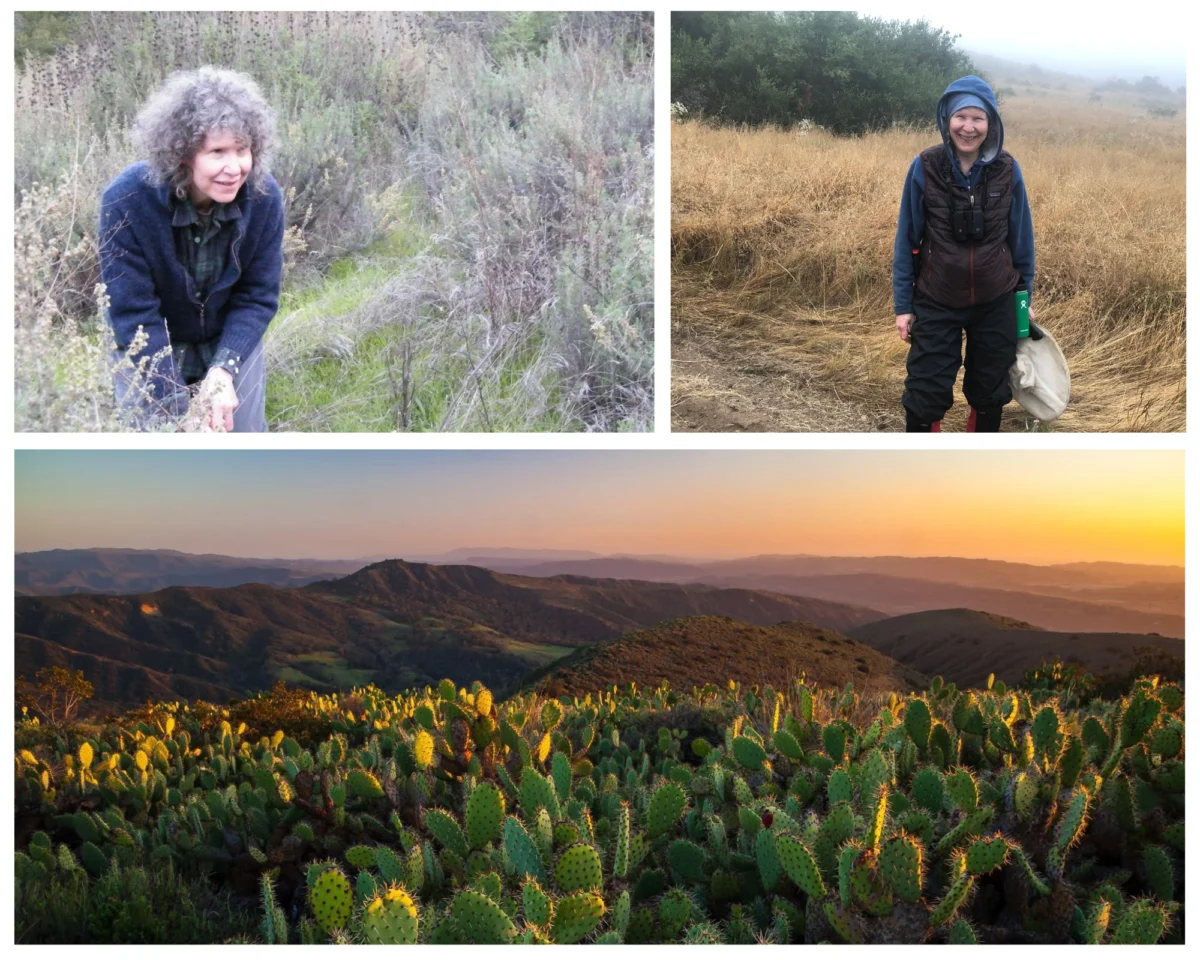
It is with profound sorrow that Audubon California announced the passing of Dr. Sandy DeSimone, the revered Director of Research, Education, and Land Management at Starr Ranch Sanctuary. Dr. DeSimone, a pivotal figure in Southern California conservation for three decades, leaves behind an indelible legacy of scientific innovation, ecological restoration, and inspirational mentorship. Her commitment to the 4,000-acre Audubon Sanctuary in southeast Orange County, coupled with her deep passion for conservation, has shaped countless landscapes and careers, impacting an estimated 100,000 acres of habitat and hundreds of aspiring biologists. She is survived by her husband, Pete DeSimone, who serves as Starr Ranch Manager, to whom the deepest sympathies are extended during this challenging time.
A Life Dedicated to the Land: Early Roots and Academic Pursuits
Sandy DeSimone’s journey into conservation was deeply rooted in a profound connection to California’s unique ecosystems. Her academic trajectory laid a robust foundation for her future pioneering work. She pursued advanced studies, culminating in a doctoral degree, with her thesis and dissertation research focusing specifically on the delicate and globally imperiled coastal sage scrub habitat. This critical research was conducted within the very boundaries of what would later become her life’s work – Starr Ranch Sanctuary.
Coastal sage scrub, a unique plant community characterized by drought-deciduous shrubs, once carpeted vast swathes of coastal Southern California. However, due to rapid urbanization, agricultural expansion, and invasive species, this habitat has become one of the most endangered in North America. Dr. DeSimone’s early focus on this ecosystem underscored her foresight regarding its ecological significance and vulnerability. Her academic work not only contributed vital scientific knowledge but also instilled in her a firsthand understanding of the intricate ecological processes and urgent conservation needs of the region. This early immersion at Starr Ranch provided her with an unparalleled intimacy with the landscape, preparing her for the leadership role she would assume.
Ascending to Leadership: The Directorship of Starr Ranch
In 1997, after years of dedicated research and a demonstrated commitment to the sanctuary’s mission, Dr. Sandy DeSimone officially took on the mantle of Director of Research, Education, and Land Management at Starr Ranch. This appointment marked a pivotal moment for the sanctuary, which, while already a protected area, was poised for significant growth under her visionary leadership. At the time, conservation efforts in Orange County were facing increasing pressure from relentless development. The role of sanctuaries like Starr Ranch became even more critical as islands of biodiversity amidst a rapidly changing urban landscape.
Upon assuming the directorship, Dr. DeSimone immediately began to expand the sanctuary’s mission beyond mere protection to active restoration and community engagement. She was widely regarded as the "heart of the sanctuary," a testament to her holistic approach that blended rigorous scientific inquiry with compassionate stewardship. Her leadership coincided with a growing recognition within the conservation community of the need for integrated approaches, combining research, education, and active land management to achieve lasting ecological benefits. Starr Ranch, under her guidance, would become a model for this integrated conservation philosophy.
Pioneering Research and Ecological Innovation
One of Dr. DeSimone’s most significant contributions was her relentless pursuit of long-term bird and wildlife research. Recognizing that effective conservation strategies must be grounded in robust data, she forged strategic partnerships with leading biologists and academic institutions. These collaborations transformed Starr Ranch into a living laboratory, fostering a deeper understanding of the ecological dynamics within coastal sage scrub, chaparral, and riparian habitats.
Under her direction, Starr Ranch implemented comprehensive monitoring programs for various avian species, including raptors like owls – a particular focus mentioned in her inspirational work with children – and migratory songbirds. These studies tracked population trends, breeding success, habitat use, and the impacts of environmental changes such as climate shifts and drought. For instance, long-term data on species like the California Gnatcatcher, an indicator species for coastal sage scrub health, provided crucial insights into the effectiveness of restoration efforts and the broader health of the ecosystem. Similarly, studies on local mammal populations, insect biodiversity, and plant phenology contributed to a rich tapestry of ecological knowledge, enabling adaptive management strategies.
Her approach extended beyond mere data collection. Dr. DeSimone was known for introducing "new ways of thinking about ecological restoration and wildlife habitat." This often involved challenging conventional wisdom and embracing experimental approaches. She understood that a dynamic ecosystem required dynamic management, moving beyond static preservation to active intervention that mimicked natural processes or mitigated human impacts. Her innovative spirit fostered a culture of scientific inquiry that permeated every aspect of Starr Ranch’s operations.
Transformative Land Management: Battling Invasives and Restoring Habitats
Dr. DeSimone’s influence extended prominently into the realm of land management, where she achieved statewide recognition for her groundbreaking work. She was particularly known for her innovative experiments designed to test nonchemical methods for controlling invasive weeds. The proliferation of non-native plant species poses one of the most significant threats to biodiversity globally, and Southern California’s ecosystems are particularly susceptible. Traditional chemical herbicides, while effective, often carry unintended consequences for native flora, fauna, and soil health.
Dr. DeSimone’s pioneering work focused on developing and implementing ecological alternatives. This included carefully planned prescribed burns, which mimic natural fire regimes to suppress invasives and promote native seed germination; strategic manual removal techniques, often involving volunteers and interns; and the innovative use of native plant competition, where robust native species were planted to outcompete invasives. Her research demonstrated that these nonchemical methods, when applied systematically and adaptively, could achieve superior long-term results, restoring ecological balance without the collateral damage associated with chemical interventions.
Through these methods, she successfully restored large swaths of grasslands and, critically, globally endangered coastal scrublands at Starr Ranch. These restoration projects were not merely about removing undesirable species but about meticulously rebuilding complex ecological communities. This involved reintroducing native plant species, fostering soil health, and creating conditions conducive to the return of native wildlife. The sheer scale of her success at Starr Ranch, a 4,000-acre living laboratory, became a beacon of hope for other conservationists.
Crucially, Dr. DeSimone’s land management ethos transcended the boundaries of Starr Ranch. Her methods, rigorously tested and scientifically validated, were replicated on over 100,000 acres of habitat not only across Orange County but also in broader regions of California. This widespread adoption was facilitated through numerous workshops, publications, and direct consultations with other land managers, agencies, and non-profits. Organizations like the Nature Conservancy, local land trusts, state park systems, and other Audubon sanctuaries sought to implement her proven strategies, amplifying her impact exponentially across the state’s critical habitats. This dissemination of knowledge underscored her role as a true innovator and a collaborative leader in the field.
Cultivating Future Conservationists: The Power of Education and Mentorship
Beyond her scientific and land management achievements, Dr. Sandy DeSimone’s most profound and enduring impact was arguably through her dedication to education and mentorship. She firmly believed that inspiring the next generation was paramount for the future of conservation. To this end, she created and led the highly acclaimed Starr Ranch Field Ecology Programs, which brought thousands of people of all ages into direct contact with nature.
These programs were remarkably diverse, catering to a wide spectrum of learners. At one end, she mentored PhD students, guiding them through complex research methodologies, ecological theory, and practical fieldwork. Many of these students went on to achieve doctoral degrees and establish successful careers in conservation, often crediting Dr. DeSimone as a foundational influence. She provided not just academic guidance but also a deep sense of purpose and practical skills that were invaluable in the competitive field of environmental science.
At the other end of the spectrum, elementary-aged children flocked to Starr Ranch, eager to learn about the canyon’s owls, the intricate web of life, and the importance of protecting imperiled habitats. These programs fostered an early appreciation for nature, transforming abstract concepts into tangible, awe-inspiring experiences. Through interactive lessons, guided hikes, and hands-on activities, Dr. DeSimone ignited a spark of curiosity and responsibility in young minds, planting the seeds for future environmental stewardship.
Her internship and education programs were a cornerstone of Starr Ranch’s mission. Hundreds of early career biologists annually passed through these programs, receiving unparalleled practical training and mentorship. Dr. DeSimone maintained a deep personal connection with many of her former staff and interns, often sharing letters and emails from them expressing profound appreciation for her guidance. These testimonials frequently highlighted her ability to instill a rigorous scientific approach, a deep respect for the land, and an unwavering passion for conservation. Her impact on these emerging professionals was truly immeasurable, creating a ripple effect that will continue to shape conservation efforts for decades to come.
Tributes and a Lasting Legacy
The news of Dr. DeSimone’s passing evoked a wave of grief and heartfelt tributes from across the conservation community. Glenn Olson, Executive Director of Audubon California, articulated the collective sentiment: "Sandy was truly a conservation hero. All of us at Audubon California feel honored to have known her and to have witnessed her work, humor, and intelligence. She will be greatly missed." This statement encapsulates the profound respect and admiration she commanded among her peers and colleagues.
Beyond formal statements, countless individuals whose lives she touched shared personal anecdotes of her generosity, sharp intellect, and unwavering dedication. Dr. Sarah Johnson, a former intern who now holds a PhD in restoration ecology, commented, "Dr. DeSimone’s guidance was instrumental in shaping my career path. She didn’t just teach us facts; she taught us how to see the interconnectedness of nature and how to fight for its preservation with both scientific rigor and heartfelt passion. Her legacy lives on in every restored acre and every inspired student."
Her work was not only recognized within scientific circles but also celebrated publicly. Her contributions were highlighted in the short film "Nature’s Notebook: Help Our Planet in a Changing Climate," a testament to her ability to communicate complex ecological issues to a broader audience and inspire action. The film serves as a lasting visual record of her dedication and the tangible impact of her work on the natural world.
The Future of Starr Ranch and Dr. DeSimone’s Enduring Influence
Dr. Sandy DeSimone’s passing leaves an immense void at Starr Ranch Sanctuary and within the broader conservation landscape of Southern California. However, her comprehensive strategies, established programs, and the robust team she cultivated ensure that her work will continue. Her husband, Pete DeSimone, as Starr Ranch Manager, is uniquely positioned to carry forward her vision, maintaining the sanctuary’s trajectory as a leader in research, education, and land management.
The challenges facing Southern California’s ecosystems remain formidable: climate change, continued habitat fragmentation, and the ongoing threat of invasive species. Yet, the foundations laid by Dr. DeSimone provide a strong framework for addressing these issues. The scientific data she initiated will continue to inform adaptive management, the educational programs will keep inspiring new generations, and the land management techniques she perfected will remain vital tools for restoration.
Dr. Sandy DeSimone’s life was a testament to the power of dedicated stewardship, innovative science, and passionate mentorship. Her legacy is not merely etched in the restored landscapes of Starr Ranch or the hundreds of thousands of acres influenced by her methods, but profoundly embedded in the minds and hearts of the countless individuals she inspired. She taught us that conservation is not just a scientific endeavor but a moral imperative, a continuous act of love and commitment to the natural world. Her impact will resonate for generations, guiding future efforts to protect and cherish our planet.
