
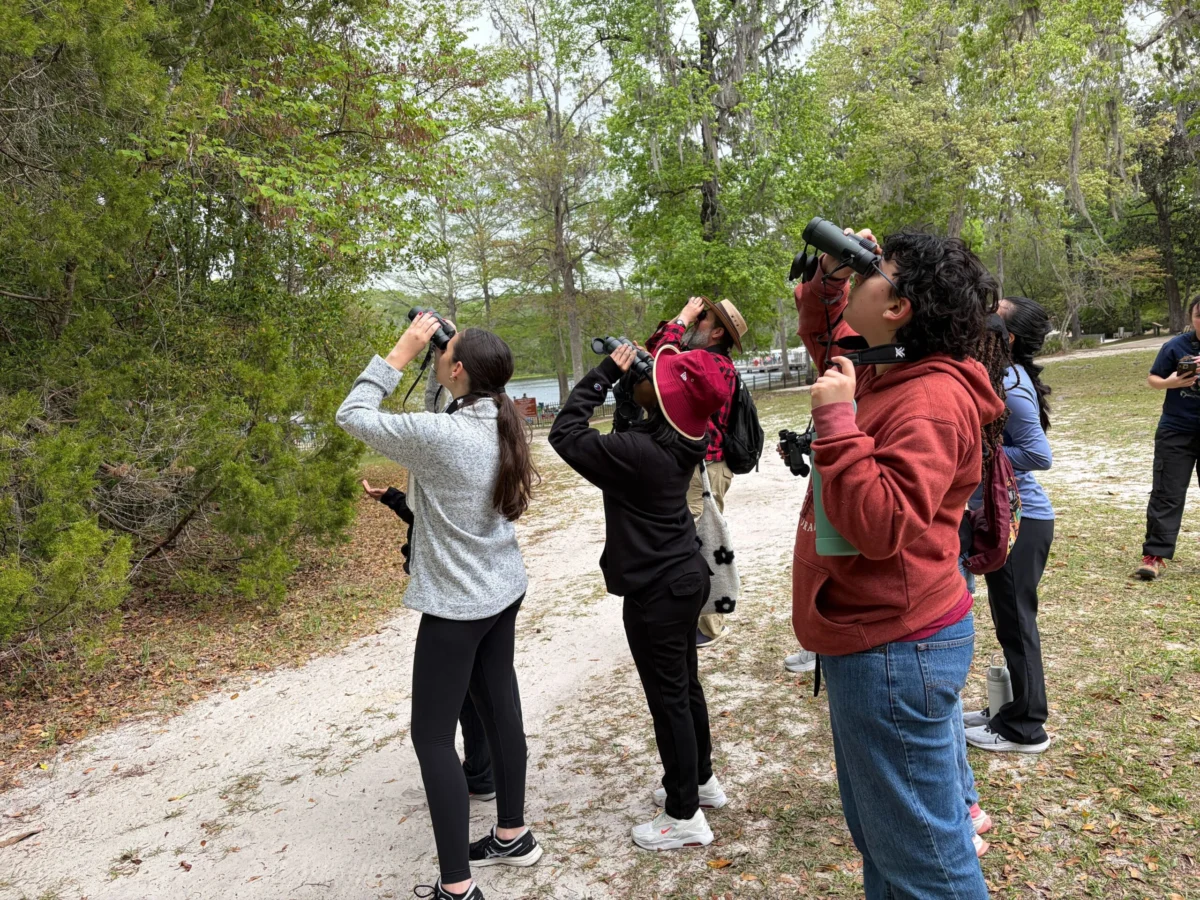
Audubon Florida’s Conservation Leadership Academies (CLAs) are proving to be a pivotal initiative, offering a rapid yet profound introduction for local college students to the intricate world of Audubon’s mission and the diverse career paths available within conservation. These immersive programs, strategically conducted across the state, serve as crucial gateways for aspiring environmental stewards, providing them with essential knowledge, practical skills, and invaluable networking opportunities that are fundamental for a career dedicated to protecting Florida’s unique natural heritage. The Spring 2024 series of academies exemplified this commitment, successfully engaging a wide array of students from various academic disciplines and geographical regions, underscoring the universal appeal and critical importance of conservation education.
The Urgent Call for Conservation Leadership in Florida
Florida stands as a global biodiversity hotspot, boasting an unparalleled array of ecosystems ranging from the vast Everglades wetlands and ancient scrub forests to pristine springs and critical coastal habitats. This ecological richness supports an extraordinary diversity of wildlife, including over 500 species of birds, many of which are migratory or endemic. However, this natural splendor faces escalating threats from rapid population growth, habitat fragmentation, climate change-induced sea-level rise and extreme weather events, and pervasive water quality issues. The escalating pressures underscore a profound and urgent need for dedicated, knowledgeable, and passionate conservation leaders.
Audubon’s roots in Florida stretch back to the early 20th century, when the organization played a crucial role in safeguarding colonial nesting birds from plume hunters, leading to the establishment of some of the nation’s first bird sanctuaries. This legacy of direct action and advocacy continues today, with Audubon Florida actively involved in critical issues such as Everglades restoration, coastal bird stewardship, water policy reform, and land acquisition for conservation. Recognizing that the future of these efforts rests squarely on the shoulders of the next generation, programs like the CLAs are designed to bridge the gap between academic interest and practical engagement, nurturing the skills and dedication required to tackle complex environmental challenges. By investing in young leaders, Audubon Florida aims to ensure a continuous pipeline of talent committed to protecting the state’s irreplaceable natural resources.
Spring 2024 Academies: A Chronology of Engagement
During the spring of 2024, Audubon Florida hosted three distinct Conservation Leadership Academies in key ecological and educational hubs: Orlando, Tallahassee, and St. Petersburg. These events collectively drew students from 12 different academic institutions, representing a broad spectrum of backgrounds, from environmental science and biology to political science and communications. Each academy followed a thoughtfully designed curriculum aimed at maximizing exposure and engagement.
The typical CLA experience commenced with an immersive birding field trip, led by experienced local Audubon guides. This hands-on component allowed students to connect directly with nature, learn the fundamentals of bird identification, and master the use of optical equipment such as binoculars – essential tools for any aspiring field biologist or conservationist. Returning indoors, participants were treated to a nourishing lunch followed by a series of presentations. These sessions delved into Audubon’s rich history in Florida, its unique grassroots organizational structure, and the breadth of its ongoing conservation work. Crucially, these presentations also highlighted various avenues for early-career professionals to become involved in conservation, offering practical advice and inspiration. The day culminated in an engaging environmental career panel, featuring professionals from diverse local environmental organizations and government agencies. This panel provided students with invaluable insights into potential career paths, practical advice on entering the field, and direct networking opportunities with seasoned experts.
Orlando Wetlands: Central Florida’s Avian Oasis
The Orlando Wetlands CLA offered students a unique opportunity to explore one of Central Florida’s most remarkable ecological success stories: the Orlando Wetlands Park. This expansive wetland system, which functions as a natural filtration system for treated wastewater, has been transformed into a vibrant sanctuary for migratory and resident birds. Participants navigated the park’s extensive boardwalks, experiencing firsthand the incredible avian diversity. Among the memorable sightings were graceful Roseate Spoonbills, iconic Great Blue Herons, and elegant Great Egrets, alongside numerous other waterfowl and wading birds that thrive in this managed habitat. The field trip provided a tangible demonstration of how human infrastructure can be harmonized with ecological preservation, creating significant environmental benefits.
This particular academy successfully reached students from five different universities across Central Florida, including institutions such as the University of Central Florida and Rollins College, broadening the program’s impact within the region. The event prominently featured the Orange Audubon Society, a vital local chapter whose volunteers and leaders provided expert guidance during the birding expedition and shared their deep knowledge of local conservation efforts. Students expressed a profound appreciation for the park’s beauty and the surprising diversity of life it supported, with many noting that the hands-on experience solidified their interest in ornithology and wetland ecology. The career panel in Orlando brought together professionals from organizations such as the St. Johns River Water Management District and local environmental non-profits, offering perspectives on water resource management and urban conservation challenges unique to Central Florida.
Wakulla Springs: Panhandle’s Pristine Waters and Premier Leadership
The Wakulla Springs State Park CLA marked a significant milestone as the first academy held in the Florida Panhandle, expanding Audubon Florida’s outreach to a new geographical cohort of students. This event offered an extraordinary experience at one of the world’s largest and deepest freshwater springs, a hydrological marvel that supports a unique ecosystem and provides critical habitat for manatees, alligators, and a rich variety of birdlife.
Students at Wakulla Springs had the distinct privilege of hearing directly from Audubon Florida’s Executive Director, Julie Wraithmell, and Communications Director, Erika Zambello. Their presence underscored the importance of the program and provided students with direct access to senior leadership within the organization. Wraithmell, a recognized voice in Florida conservation, shared insights into high-level policy advocacy and strategic conservation initiatives, while Zambello offered perspectives on environmental communication and public engagement. During their field trip with expert bird guides from the Apalachee Audubon chapter, students observed the acrobatic Anhingas, the striking Red-shouldered Hawks, and were particularly excited to welcome back a pair of Swallow-tailed Kites, whose graceful flight signaled their return from spring migration to nest in Florida’s rich woodlands. This sighting served as a powerful reminder of the interconnectedness of global ecosystems and the critical role Florida plays in supporting migratory species.
The Wakulla Springs CLA successfully engaged students from Florida State University, Florida A&M University, and other regional institutions, fostering new connections and inspiring a diverse group of future leaders. The career panel for this session included representatives from the Florida Fish and Wildlife Conservation Commission (FWC), state park services, and regional environmental consulting firms, offering insights into regulatory roles, land management, and ecological restoration in the Panhandle. Students found the direct interaction with Audubon’s top leadership particularly motivating, with one attendee remarking, "Hearing from Julie Wraithmell really clarified the impact that dedicated leadership can have on statewide conservation policy."
Weedon Island: Preserving Florida’s Coastal Heritage
The final CLA event of the spring series took place at Weedon Island Preserve, an ecologically and archaeologically significant site on the shores of Tampa Bay. This preserve introduced students to the breathtaking beauty and critical importance of Florida’s coastal ecosystems, characterized by expansive mangrove forests, productive seagrass beds, and vibrant estuarine habitats. These environments serve as crucial nurseries for marine life, provide storm protection for coastal communities, and offer vital foraging and nesting grounds for numerous bird species.
With the expert guidance of leaders from St. Pete Audubon and Hernando Audubon chapters, students explored the preserve’s diverse habitats. Among the notable avian residents spotted were a juvenile Yellow-crowned Night Heron, a stealthy wading bird often found in mangrove habitats, along with Red-shouldered Hawks soaring overhead, migratory Palm Warblers, and the ever-present Laughing Gulls. The field trip highlighted the unique adaptations of coastal birds and the delicate balance of these estuarine systems. The career panel at Weedon Island featured professionals from organizations focused on marine conservation, coastal habitat restoration, and environmental education, providing students with a localized perspective on career opportunities in the Tampa Bay area. Students gained a deeper understanding of the specific threats facing coastal environments, such as sea-level rise and nutrient pollution, and the innovative solutions being implemented to address them.
Deep Dive into the CLA Experience: Nurturing Future Conservationists
Each component of the Conservation Leadership Academies is meticulously designed to provide a holistic and impactful learning experience.
The Birding Field Trip is more than just an opportunity to see birds; it’s a pedagogical exercise in observational science. Students learn to apply keen attention to detail, understand avian behaviors, and appreciate ecological relationships. The use of binoculars transforms the experience, allowing for close-up views that foster a deeper connection to wildlife. Moreover, these trips often introduce students to the concept of citizen science, where amateur observations contribute to scientific data collection, such as through platforms like eBird, a global biodiversity database managed by the Cornell Lab of Ornithology. This hands-on engagement instills a sense of purpose and empowers students to contribute to real-world conservation efforts from the outset.
The Presentations serve as the informational backbone of the academies. Delving into Audubon’s extensive history in Florida, students learn about pivotal moments like the early 20th-century battles against plume hunting, which laid the groundwork for modern wildlife protection laws. They also gain an understanding of Audubon’s grassroots structure, recognizing that its strength lies in its network of dedicated local chapters and volunteers who are the boots on the ground in communities across the state. The presentations on current conservation work cover a spectrum of critical issues, from protecting nesting shorebirds on Florida’s beaches to advocating for Everglades restoration and addressing the impacts of climate change on avian populations. Crucially, these sessions demystify how early-career individuals can get involved, outlining pathways through internships, volunteer programs, and entry-level positions, providing a roadmap for turning passion into a profession.
The Environmental Career Panel is consistently one of the most highly rated segments of the academies. By bringing together professionals from diverse local environmental organizations and government agencies—such as state park rangers, wildlife biologists from the Florida Fish and Wildlife Conservation Commission, environmental educators from non-profits, and specialists from water management districts—the panels offer a kaleidoscopic view of career possibilities. Panelists share their personal journeys, challenges, and triumphs, providing students with practical advice on everything from resume building and networking to skill development and navigating the job market. This direct interaction not only provides invaluable career guidance but also fosters potential mentorship relationships, which are critical for professional growth in any field.
Supporting Data: The Stakes for Florida’s Ecosystems
Florida’s unique position as a peninsula, surrounded by marine environments and characterized by a subtropical climate, contributes to its extraordinary biodiversity. The state is home to approximately 1,300 species of native vertebrates and over 26,000 species of insects, making it a critical area for ecological preservation. Its wetlands, including the Everglades, are globally recognized as Ramsar sites, wetlands of international importance. However, this ecological wealth is under severe threat. Florida experiences some of the highest rates of habitat loss in the nation, driven by urban and agricultural expansion. Climate change models predict increased frequency and intensity of hurricanes, exacerbated coastal erosion due to sea-level rise, and shifts in species distribution, all of which pose significant challenges to the state’s natural systems. Water quality issues, including harmful algal blooms like red tide and blue-green algae, devastate marine life and impact human health and the economy.
The economic value of Florida’s natural resources is immense. Ecotourism, particularly birding, generates hundreds of millions of dollars annually, supporting local economies and providing jobs. For instance, birdwatching alone contributes significantly to state tourism revenue. Protecting these natural assets is not merely an ecological imperative but also an economic necessity. Furthermore, studies indicate a growing disconnect between youth and the natural world, often termed "nature deficit disorder." Programs like the CLAs directly address this by re-engaging young people with outdoor experiences, fostering a sense of wonder, and cultivating environmental literacy that is essential for informed decision-making in the face of complex environmental challenges.
Inferred Statements and Reactions
"Nurturing the next generation of conservation leaders is not just an aspiration for Audubon Florida; it is an absolute necessity," stated Julie Wraithmell, Executive Director of Audubon Florida. "Our state faces unprecedented environmental challenges, and the ingenuity, passion, and dedication of these young students are our greatest hope. The CLAs are designed to ignite that spark, connect them with seasoned professionals, and equip them with the tools they need to make a tangible difference in their communities and across the state."
Natalie Al-Shihabi, Conservation Leadership Initiative Intern and a key organizer of the academies, reflected on the program’s success: "It’s incredibly rewarding to witness students, some of whom have never used binoculars before, suddenly light up as they identify a Roseate Spoonbill or a Swallow-tailed Kite. These moments are transformative. The diversity of backgrounds among our students this spring was particularly inspiring, proving that conservation resonates across all disciplines and demographics."
Local chapter leaders also emphasized the collaborative spirit of the academies. "Our local chapters are the backbone of Audubon’s work, connecting global conservation goals with local action," commented a representative from the St. Pete Audubon Society. "Participating in the CLAs allows us to directly mentor these bright young minds, sharing our passion and knowledge, and showing them how they can contribute to their own communities’ conservation efforts."
Student feedback highlighted the profound impact of the academies. "Before this CLA, I knew I cared about the environment, but I wasn’t sure how to turn that into a career," shared one student from Florida State University. "The career panel opened my eyes to so many different paths, from policy advocacy to field research, and gave me the confidence to pursue them." Another participant from the Orlando Wetlands event remarked, "Seeing the incredible bird diversity firsthand and then learning about Audubon’s history and ongoing work made me feel like I could truly be part of something bigger. It was a memorable gateway into a world I now feel passionate about exploring further."
Broader Impact and Implications: The Conservation Leadership Initiative (CLI)
The Conservation Leadership Academies are not merely standalone events; they serve as a critical first step in a more extensive commitment to youth development. Following their participation in a CLA, students are provided with the invaluable opportunity to apply to Audubon Florida’s more comprehensive Conservation Leadership Initiative (CLI) program. The CLI is designed to provide sustained engagement and deeper mentorship for 25 selected undergraduate students annually.
The CLI program offers a multi-faceted experience that significantly enhances a student’s journey into conservation. Key components include:
- Attendance at Audubon Assembly: CLI participants receive scholarships to attend the annual Audubon Assembly, Audubon Florida’s premier gathering of conservationists, policymakers, and community leaders. This event offers an unparalleled opportunity for students to engage in discussions about pressing environmental issues, witness policy advocacy in action, and network with a wide array of professionals from across the state.
- Local Chapter Mentorship: Each CLI student is matched with a local Audubon Chapter for a period of sustained mentorship. This hands-on experience allows students to work alongside seasoned volunteers and chapter leaders, gaining practical experience in local conservation projects, community outreach, and advocacy. This mentorship provides real-world context and guidance that extends beyond the classroom.
- Individual Conservation Project: A cornerstone of the CLI program is the requirement for each student to design and complete a conservation project of their choosing. This empowers students to apply their newfound knowledge and skills to a specific environmental issue that resonates with them, developing leadership abilities, project management expertise, and a tangible portfolio piece for future career pursuits. Projects can range from habitat restoration and citizen science initiatives to environmental education campaigns and policy research.
The CLI program represents a significant investment in the future of Florida’s natural environment. By offering a structured pathway for continued engagement, Audubon Florida aims to cultivate a robust pipeline of informed, skilled, and passionate conservation leaders. This initiative is particularly vital for ensuring that the conservation field reflects the diversity of Florida’s population, actively recruiting and supporting students from all backgrounds. The long-term implications are profound: a stronger, more resilient conservation movement in Florida, led by individuals who are deeply connected to the state’s natural wonders and equipped to protect them for generations to come.
In conclusion, the Spring 2024 Conservation Leadership Academies underscore Audubon Florida’s unwavering commitment to environmental education and leadership development. By providing accessible, impactful, and inspiring experiences, these academies are successfully nurturing the next wave of conservationists who will be instrumental in safeguarding Florida’s irreplaceable natural heritage. As these students transition from academy participants to future leaders through programs like the CLI, they embody the promise of a more sustainable and vibrant future for the Sunshine State.
