
The burgeoning global trend of backyard poultry farming has transformed the domestic landscape, as millions of households embrace chickens for egg production, pest management, and waste reduction. However, agricultural experts and avian veterinarians are increasingly issuing warnings regarding the dietary management of these birds. While chickens are biologically classified as omnivores and possess a natural instinct for opportunistic feeding, their digestive systems are highly susceptible to specific toxins found in common household food scraps. To ensure flock longevity and high-quality egg yields, keepers must distinguish between nutritious supplements and "toxic treats" that can lead to systemic failure or immediate mortality.

The Evolution of Domestic Poultry Nutrition
Historically, domestic chickens were viewed as the primary recyclers of farmsteads, consuming various kitchen leftovers and grain husks. This tradition has carried over into the modern urban farming movement, where the practice of maintaining a "scrap bowl" is a staple of sustainable living. According to data from the United States Department of Agriculture (USDA), the number of households keeping backyard flocks has seen a significant increase over the last decade, particularly following the supply chain disruptions of 2020.

As more novices enter the field of poultry husbandry, the risk of accidental poisoning through dietary ignorance has risen. Scientific institutions, including the Merck Veterinary Manual and various state agricultural extension services, have documented that while chickens are efficient at converting waste into protein, they are not biological "garbage disposals." Their metabolic rates and sensitive organ systems require a precise balance of nutrients, and the introduction of even small amounts of certain phytochemicals can have devastating consequences.

Botanical Hazards: The Persin and Solanine Threat
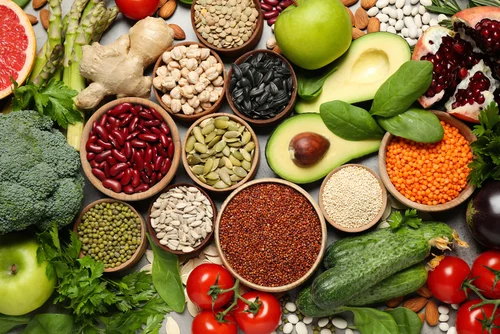
Among the most dangerous items commonly found in household kitchens is the avocado. Every part of the avocado plant—including the skin, pit, leaves, and flesh—contains a fungicidal toxin known as persin. According to the Merck Veterinary Manual, ingestion of persin is associated with myocardial necrosis (the death of heart muscle tissue) in birds. Small avian species can succumb to persin poisoning within 48 hours of consuming just five percent of a single fruit. Symptoms often include respiratory distress, weakness, and sudden cardiac collapse, making it one of the most critical items to exclude from a chicken’s diet.

Equally concerning is the prevalence of the nightshade family (Solanaceae) in domestic gardens. This family includes white potatoes, tomatoes, eggplants, and peppers. These plants produce a glycoalkaloid toxin called solanine as a natural defense mechanism. In potatoes, solanine is concentrated in the green skin, sprouts (eyes), and the stems of the plant. Unlike some other pathogens, boiling does not effectively neutralize solanine. When ingested by poultry, solanine destroys red blood cells and can lead to anemia, severe diarrhea, and heart failure.

While the ripe fruit of tomatoes, peppers, and eggplants contains significantly lower levels of solanine, the leaves and stems remain highly toxic. Experts advise that while very ripe tomatoes may be offered in strict moderation to healthy adult birds, they should be withheld from younger chicks whose developing systems are less capable of processing trace alkaloids.
.jpg)
The Lectin Crisis in Raw Legumes
A frequently overlooked danger in the poultry run is the raw dried bean. Legumes such as kidney beans contain high concentrations of phytohaemagglutinin, also known as lectin. This compound acts as a natural insecticide for the plant but is a potent toxin for both humans and animals.

Clinical observations indicate that the consumption of as few as three or four raw beans can be fatal to a chicken. The toxin causes extreme gastrointestinal distress, including vomiting and nausea, and can lead to rapid death. To render beans safe for poultry, they must be soaked for several hours and then boiled at high temperatures to denature the lectins. Conversely, sprouted legumes like peas and lentils are considered safe, as the germination process naturally reduces the toxin levels.

Cardiovascular and Neurological Stimulants
The modern pantry contains several stimulants that are tolerated by humans but act as lethal agents in avian physiology. Caffeine and theobromine, found in coffee, tea, and chocolate, are methylxanthines that the avian liver cannot efficiently process.

In chickens, caffeine causes an immediate increase in heart rate and can trigger cardiac arrest. Chocolate poses a dual threat due to its high fat and sugar content combined with theobromine. Even minimal exposure can lead to seizures, coma, and death. This risk extends beyond direct feeding; households that compost coffee grounds or tea bags must ensure that their flocks do not have access to these piles, as chickens will instinctively forage through compost for insects, inadvertently ingesting toxic residues.

Calcium Malabsorption and Egg Quality
The health of a laying hen is intrinsically linked to her calcium levels. The production of a single eggshell requires a significant portion of a hen’s daily calcium intake. Certain foods, while not immediately fatal, can interfere with this vital process.

Rhubarb is a primary concern due to its high concentration of oxalic acid. Oxalic acid binds to calcium in the bird’s system, creating calcium oxalates and preventing the mineral from being used for shell formation. This often results in "rubber eggs" or soft-shelled eggs, which are difficult for the hen to pass and can lead to egg binding—a life-threatening condition. Furthermore, excessive oxalic acid can cause kidney stones and renal failure.

Similarly, while spinach is nutrient-dense, it also contains oxalic acid and should only be provided as an occasional treat. Citrus fruits are another category that requires caution. Some studies suggest that citrus can interfere with calcium absorption and leach minerals from the bones. While chickens synthesize their own Vitamin C and do not require external sources, the acidity of oranges and lemons can cause digestive upset.

Environmental Toxins and Chemical Exposure
A significant portion of a backyard chicken’s diet comes from foraging for grasses, weeds, and insects. This natural behavior exposes the flock to environmental hazards, particularly in suburban areas where lawn treatments are common.

Pesticides, herbicides, and synthetic fertilizers used in landscaping are highly toxic to poultry. These chemicals can be ingested directly from treated foliage or indirectly through the consumption of contaminated insects. Chronic exposure to lawn chemicals has been linked to reduced egg production, neurological impairment, and shortened lifespans. Agricultural extensions recommend a strictly "no-chemical" policy for any areas where poultry are permitted to range.

Furthermore, the risk of wild mushroom toxicity cannot be overstated. While store-bought mushrooms are safe, many wild varieties that appear in lawns and wooded areas are hepatotoxic or neurotoxic. Because it is difficult for most owners to distinguish between safe and deadly fungi, foraging for wild mushrooms to feed to a flock is universally discouraged.

Veterinary Symptomology and Emergency Response
Recognizing the signs of food toxicity is essential for any poultry keeper. Because chickens are prey animals, they instinctively hide signs of illness until they are in an advanced state of distress. Symptoms of poisoning can range from subtle changes in behavior to acute physical failure.

Minor symptoms often include:

- Diarrhea or changes in droppings consistency.
- A noticeable reduction in egg production.
- Lethargy or "puffing up" of feathers.
Severe symptoms indicative of acute toxicity include:

- A bluish tint to the comb or wattles (cyanosis), often linked to cyanide poisoning from fruit pits or seeds.
- Shortness of breath or gasping.
- Convulsions or loss of balance.
- Sudden, unexplained death within the flock.
If toxicity is suspected, veterinarians recommend immediate removal of the suspected food source and flushing the birds’ systems with fresh, electrolyte-balanced water. In cases of large-scale exposure, professional avian medical intervention is required to administer activated charcoal or other neutralizing agents.

Industry Implications and the Future of Sustainable Management
The dietary management of backyard poultry has broader implications for the agricultural industry and public health. As the "farm-to-table" movement continues to grow, the safety of the eggs produced in residential settings becomes a matter of food security. Birds that consume toxins may produce eggs with trace chemical residues or reduced nutritional profiles.

Furthermore, the economic impact of flock loss due to preventable poisoning is significant for small-scale producers. By adhering to a diet that limits treats to no more than 10 percent of total intake and strictly avoiding known toxins, keepers can ensure a stable and healthy food source.

In conclusion, the successful integration of chickens into the home environment requires a shift in perspective. While they are resilient and adaptable, their health is fragile when exposed to the complex chemistry of a modern human diet. By prioritizing high-quality commercial feed and supplementing only with verified "safe" fruits, vegetables, and grains, poultry keepers can maintain the delicate balance of avian health, ensuring that their flocks remain a productive and vibrant part of the domestic ecosystem.
