
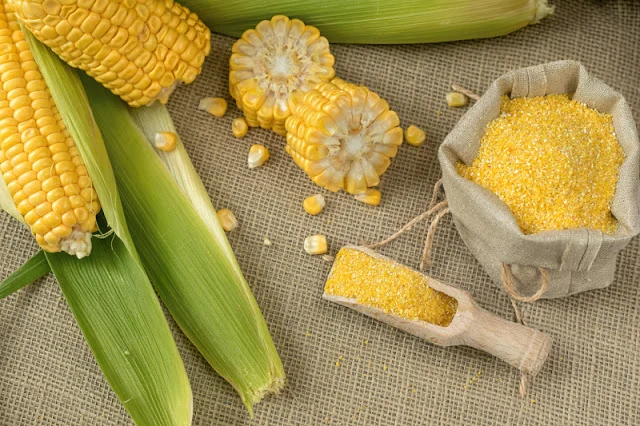
The practice of supplementing poultry diets with corn has emerged as a significant point of discussion among avian nutritionists and backyard chicken keepers, centering on the grain’s metabolic impact during fluctuating seasonal temperatures. While corn remains one of the most accessible and widely utilized carbohydrate sources in the agricultural sector, its application in small-scale flocks requires a nuanced understanding of avian physiology, specifically regarding the "thermal effect of food" and the nutritional differences between dried, cracked, and fresh varieties. As the backyard poultry movement continues to expand globally, clarity on these feeding practices is essential for maintaining flock health and optimizing egg production.
The Metabolic Mechanics of Corn Consumption
To understand the controversy surrounding corn, one must first examine the digestive process of the Gallus gallus domesticus. Chickens do not possess teeth; instead, they rely on a muscular organ known as the gizzard to grind down fibrous and hard materials. When a chicken consumes dried whole or cracked corn, the grain resides in the crop before moving to the gizzard. The mechanical and chemical breakdown of these complex carbohydrates and starches is an energy-intensive process.

This biological activity generates internal metabolic heat. During the winter months, this process serves as a natural thermoregulation strategy. By feeding dried corn or "scratch grains"—a mixture typically dominated by cracked corn and wheat—in the late afternoon or just before dusk, poultry keepers provide their birds with a "slow-burn" fuel source. As the birds roost overnight, their digestive systems work to process the corn, raising their core body temperature and helping them survive sub-freezing temperatures without the need for external coop heaters, which are often cited as fire hazards.
Conversely, this same metabolic heat generation has led to the common warning against feeding dried corn during the summer. In high-heat environments, chickens struggle to dissipate heat, primarily through panting and spreading their wings. Introducing a high-starch, energy-dense grain that triggers significant internal heat production can, in theory, exacerbate heat stress. While a handful of corn is unlikely to be fatal, agricultural experts suggest that during heatwaves, the focus should shift toward hydration-heavy supplements rather than dense grains.
Nutritional Profile and Chemical Composition
Corn is frequently criticized as being "empty calories," yet a biochemical analysis reveals a more complex nutritional profile. While it should never replace a formulated layer feed—which is balanced for calcium, phosphorus, and essential amino acids—corn provides several critical micronutrients.

Yellow dent corn, the variety most commonly used in poultry feed, contains significant levels of xanthophylls. These are natural pigments that are deposited in the fat and egg yolks of the birds, resulting in the deep orange-yellow color often associated with healthy, pasture-raised eggs. Beyond pigmentation, corn offers:
- Antioxidants: Including carotenoids like lutein and zeaxanthin, which support ocular health in poultry.
- Vitamins: Specifically Vitamin B6 (pyridoxine), which is essential for protein metabolism, and Vitamin C, which can help mitigate the effects of environmental stress.
- Minerals: Trace amounts of magnesium, phosphorus, potassium, and niacin (Vitamin B3) are present, contributing to bone density and nervous system function.
- Folate: Necessary for DNA synthesis and the formation of red blood cells.
- Fiber and Carbohydrates: Corn is a high-energy, complex carbohydrate that provides the sustained energy levels required for active foraging and maintaining metabolic stasis.
Seasonal Feeding Chronology and Variations
The application of corn in a poultry diet is not static; it evolves with the calendar. Understanding the chronology of seasonal feeding helps poultry managers optimize bird welfare.
Winter: The Supplemental Phase
From late autumn through early spring, the focus is on caloric density. In addition to standard layer pellets, dried cracked corn serves as a "scratch" grain. This encourages natural foraging behavior, which provides mental stimulation during months when grass and insects are scarce. The objective during this period is to ensure the birds have enough body fat and metabolic energy to withstand the caloric demands of staying warm.

Summer: The Hydration Phase
As temperatures rise, the use of dried corn should be curtailed. Instead, "fresh corn" applications become more appropriate. Fresh corn—whether served on the cob, frozen, or canned—has a significantly higher moisture content than its dried counterpart. Frozen corn kernels are frequently used by keepers as a cooling treat during the peak of July and August. This allows the birds to enjoy the nutritional benefits of the grain without the intense thermogenic effect associated with the digestion of hard, dried kernels.
Utilization of Corn Byproducts: Silks and Husks
A frequently overlooked aspect of corn supplementation is the use of the entire plant. In a zero-waste agricultural model, the husks and silks of the corn ear provide unique medicinal and nutritional advantages.
Corn silk, the long, thread-like fibers found under the husk, is rich in Vitamin K. In avian medicine, Vitamin K is vital for the synthesis of proteins required for blood coagulation. Furthermore, corn silk has been studied for its anti-inflammatory properties and its role as a mild diuretic, which can help manage kidney function in poultry.

The husks, while highly fibrous and less palatable to some chickens, are often favored by ducks and geese. These waterbirds possess different digestive capabilities and can benefit from the roughage provided by the husks. For chickens, the husks often serve as an enrichment tool; hanging a partially husked ear of corn in the run encourages "peck-play," reducing flock aggression and boredom-induced feather picking.
Agricultural Data and Expert Perspectives
Data from various university agricultural extensions, including those at Penn State and the University of Kentucky, emphasize the "10% Rule." This guideline suggests that treats and supplements—including corn—should make up no more than 10% of a chicken’s total daily caloric intake.
The rationale behind this is rooted in the prevention of Fatty Liver Hemorrhagic Syndrome (FLHS). Because corn is high in sugar and carbohydrates, overconsumption leads to the deposition of excessive fat in the liver. This makes the organ friable and prone to rupture, which is a leading cause of sudden death in backyard hens.

Veterinary reports indicate that while corn is a valuable tool for winter survival, the "controversy" stems from mismanagement rather than the grain itself. When fed in moderation and adjusted for the season, corn is an asset; when fed as a primary food source, it becomes a health liability.
Broader Impact and Implications for the Poultry Industry
The discussion surrounding corn in poultry diets reflects a larger shift toward "functional feeding" in the backyard agricultural sector. As keepers move away from generic feeding schedules and toward data-driven, seasonal nutrition, the health and longevity of domestic flocks are expected to improve.
Furthermore, the reliance on corn highlights the intersection of the commercial grain industry and the hobbyist market. As corn prices fluctuate due to ethanol production and global export demands, backyard keepers are increasingly looking for ways to maximize the efficiency of the corn they purchase—leading to the increased use of cobs, silks, and husks as described.

Conclusion: A Balanced Approach to Corn Supplementation
In summary, the question of whether chickens can eat corn is answered with a definitive "yes," provided that the keeper understands the physiological context of the feeding. Dried corn remains the gold standard for natural winter thermoregulation, while fresh or frozen corn serves as a nutritious, low-thermogenic treat for the summer months.
By viewing corn not merely as a filler but as a seasonal tool with specific chemical benefits—such as Vitamin K from silks and xanthophylls for yolk color—poultry managers can enhance the lives of their birds. The key to successful integration lies in moderation, seasonal awareness, and a commitment to maintaining the primary nutritional balance provided by professional-grade poultry feeds. As research continues to evolve, the humble corn kernel remains a cornerstone of avian husbandry, bridging the gap between traditional farm wisdom and modern metabolic science.
