

The movement to restore Europe’s vital freshwater ecosystems has achieved an unprecedented milestone, dismantling a record-breaking 603 river barriers in 2025. This significant undertaking has successfully reconnected over 3,740 kilometers of rivers across the continent, offering a powerful boost to climate resilience, enhancing water and food security, revitalizing biodiversity, and accelerating the recovery of critically important freshwater habitats. The findings, detailed in the newly released Dam Removal Europe 2025 report, underscore a rapidly expanding and increasingly effective wave of river restoration efforts.
This achievement marks the fifth consecutive year that dam removal records have been broken in Europe, surpassing the previous high of 542 removals in 2024 by an impressive 11%. The report highlights a dramatic surge in this conservation practice, with the number of annual barrier removals increasing sixfold since the first continental count in 2020. This accelerating momentum signifies a profound shift in how Europe views and manages its riverine environments.
A Growing Wave of Restoration
The Dam Removal Europe initiative, a collaborative effort tracking and promoting barrier removals, has become a crucial indicator of progress in freshwater ecosystem restoration. The consistent year-on-year growth demonstrates a growing commitment from governments, NGOs, and local communities to address the fragmentation of European rivers, a problem that has had devastating consequences for biodiversity and ecosystem health.
"These achievements show a true European river restoration success story," stated Merijn Hougee, Head of International Landscapes at WWF Netherlands. "From just over 100 annual barrier removals six years ago to more than 600 in 2025, it shows how rapidly river restoration is becoming mainstream and how the momentum is growing. By removing more barriers, we are able to show how biodiversity bounces back and how we can strengthen resilience against climate change."
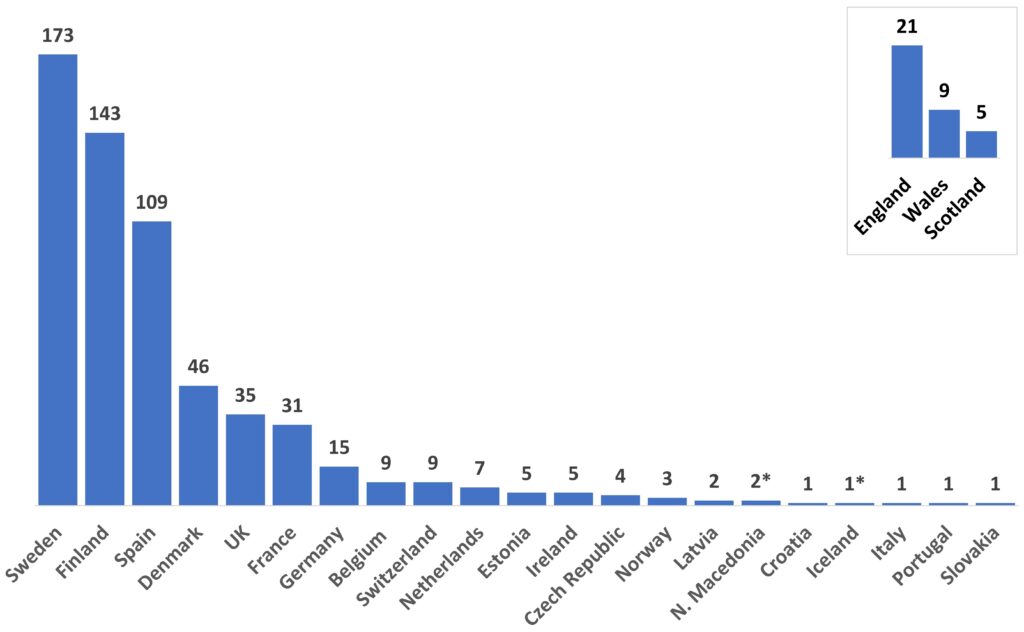
The expansion of the dam removal movement is further evidenced by the inclusion of two new countries in 2025: Iceland and North Macedonia. Their inaugural barrier removals signify a growing continental consensus on the necessity of restoring free-flowing rivers. This brings the total number of participating European nations actively engaged in barrier removal to 29, illustrating a broad geographical commitment to this vital conservation strategy.
Sweden Leads the Charge
In a notable shift, Sweden emerged as the leading nation in 2025, responsible for at least 173 barrier removals. This accomplishment, followed closely by Finland and Spain, underscores the impact of dedicated national strategies and coordinated actions in accelerating progress. These frontrunner nations serve as models for other countries looking to implement similar large-scale restoration projects.
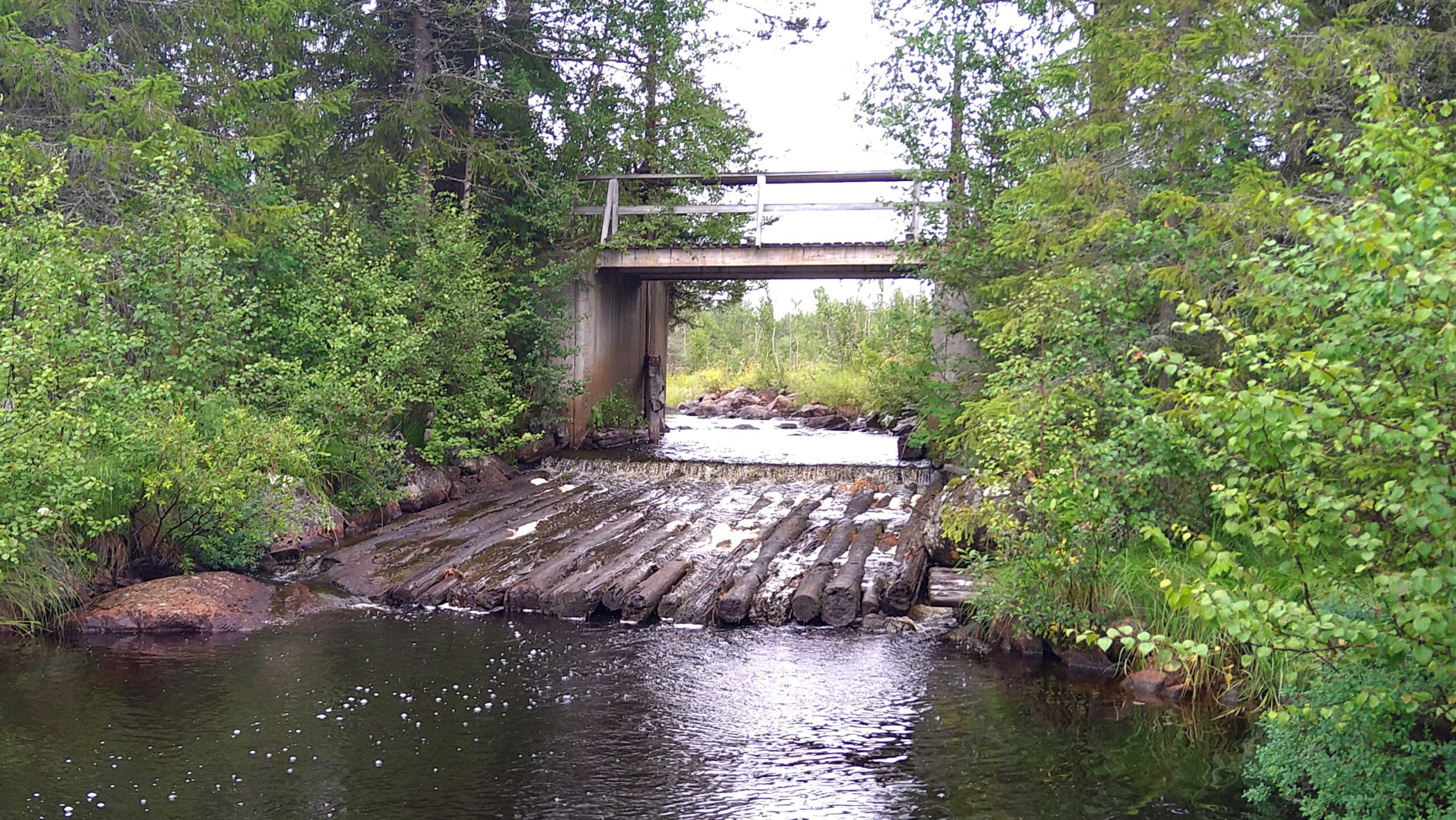
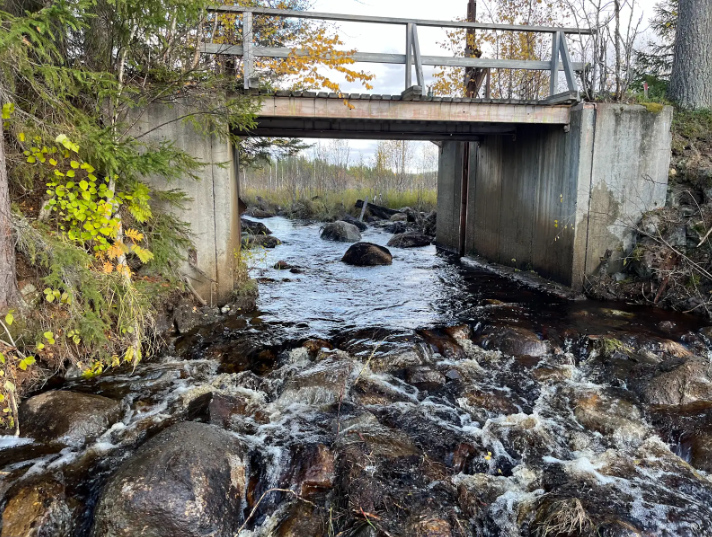
The majority of barriers removed in 2025 were smaller, often obsolete structures such as culverts and weirs. While individually these might seem minor, their cumulative removal at scale delivers substantial ecological and hydrological benefits. Sweden’s efforts, for instance, included the dismantling of numerous timber dams, remnants of the country’s historical industrial-scale forestry operations. These historical structures, designed to facilitate log transport downstream, had significantly altered river flows and habitats. The removal of these legacy structures is a critical step in returning these rivers to a more natural state.

The Pervasive Problem of River Fragmentation
Despite the record-breaking achievements, Europe’s rivers remain heavily fragmented. An estimated 1.2 million barriers, encompassing dams, weirs, and culverts, continue to disrupt natural riverine processes. Many of these structures are no longer in use or provide minimal benefit, yet they persist in obstructing the natural flow of water, sediment, and nutrients, and critically, preventing the migration of aquatic species.
This widespread fragmentation is a primary driver of ecosystem degradation and has contributed significantly to the alarming decline in freshwater biodiversity. According to a recent report by the European Commission, a staggering 42% of Europe’s freshwater fish species are currently classified as threatened with extinction. This crisis highlights the urgency and importance of initiatives like barrier removal.
Chris Baker, Director of Wetlands International Europe, emphasized the scale of the challenge and the opportunity. "Europe’s rivers are fragmented by an estimated 1.2 million barriers – and more than 150,000 of them are already considered obsolete. That makes barrier removal one of the biggest ecological ‘easy wins’ available today," Baker stated. "These obsolete barriers no longer provide any benefits, yet they continue to degrade rivers every day they remain standing."
Ecological and Climate Benefits
The benefits of removing obsolete barriers extend far beyond simply restoring fish passage. Free-flowing rivers are recognized as critical natural infrastructure. They play a vital role in natural flood management by allowing water to spread out into floodplains, reducing downstream flood risk. They are essential for maintaining water security by allowing groundwater recharge and supporting healthy water cycles. Furthermore, the restoration of natural river flows enhances sediment transport, which is crucial for maintaining deltas, coastlines, and riverbed habitats.
The reconnection of rivers also has profound implications for climate resilience. Healthy freshwater ecosystems are more adaptable to the impacts of climate change, such as increased flooding and drought. By restoring natural hydrological processes, Europe is building more robust natural defenses against extreme weather events. The enhanced biodiversity resulting from barrier removal also contributes to more resilient ecosystems, better able to withstand environmental pressures.
"The success of the dam removal movement is based on a growing recognition that healthy rivers are critical natural infrastructure – living systems that provide flood protection, water security, biodiversity and climate resilience," Baker added. "People increasingly understand that obsolete dams do not need to stay forever: they can – and should – be removed to restore rivers and benefit people, nature and climate."
Alignment with Policy and Global Goals
The surge in dam removal activities in 2025 is not only an ecological success but also a crucial step towards achieving broader European and global environmental objectives. The EU Nature Restoration Regulation, which entered into force in 2024, sets an ambitious target to restore at least 25,000 kilometers of rivers to a free-flowing state by 2030. Barrier removal is identified as one of the most effective and direct tools for meeting this significant target.
Moreover, these European efforts contribute directly to global conservation ambitions, including the Freshwater Challenge. This international initiative aims to restore 300,000 kilometers of degraded rivers worldwide by 2030, underscoring the universal recognition of the importance of healthy freshwater ecosystems.
Looking Ahead: Sustaining the Momentum
The record-breaking achievements of 2025 provide a powerful testament to what can be accomplished when there is political will, scientific understanding, and collective action. The continuous growth in barrier removals demonstrates that large-scale river restoration is not an aspirational goal but a tangible reality that is already underway across Europe.
As the Dam Removal Europe report indicates, the challenge of 1.2 million barriers remains substantial, with over 150,000 identified as obsolete. However, the rapid progress made in recent years offers a clear pathway forward. Continued investment, policy support, and public engagement will be crucial to maintain and accelerate this positive trend.
The story of Europe’s rivers in 2025 is one of renewal and hope. By systematically dismantling the physical barriers that have constrained these vital arteries of the landscape, Europe is not only healing its waterways but also strengthening its resilience, safeguarding its natural heritage, and building a more sustainable future for both people and the planet. The increasing number of rivers allowed to flow freely is a powerful symbol of ecological recovery and a crucial investment in the health of our planet.
