

Wetlands International and Sher Ethiopia have officially launched a comprehensive, three-year initiative aimed at revitalizing the ecological health of Lake Ziway and its surrounding landscape, a crucial area for local communities, Ethiopia’s economy, and biodiversity. The program, titled "Ziway Lives and Landscapes," seeks to address the pressing environmental challenges plaguing the lake, including severe erosion and sedimentation, through a multifaceted approach encompassing improved water management, robust soil conservation, and dedicated wetland preservation efforts. This significant undertaking is bolstered by the financial support of The Netherlands Embassy, underscoring a strong commitment to sustainable environmental stewardship in the region.
A Collaborative Approach to Environmental Restoration
The "Ziway Lives and Landscapes" project represents a powerful synergy between Wetlands International’s extensive global expertise and its proven track record in Ziway, combined with the significant technical prowess, agronomic resources, and operational capacity of Sher Ethiopia, one of the largest rose-growing companies in the area. This partnership is designed to foster the co-creation and implementation of practical solutions that deliver tangible, measurable impacts on the ground, while also tackling the systemic drivers of environmental degradation.
The decline of Lake Ziway presents a shared operational risk for companies operating within its basin. Increasingly, customers and regulatory bodies are demanding credible, basin-wide actions to mitigate these risks. The Ziway Lives and Landscapes initiative provides a vital platform for these entities to collaborate, demonstrate progress, and disseminate valuable lessons learned. A key objective of the initiative is to catalyze landscape-level action by actively encouraging and enabling the replication and scaling up of successful solutions across the entire Ziway basin.
Simeneh Shiferaw, Programme Coordinator at Wetlands International Ethiopia, emphasized the collaborative nature of the endeavor. "Reversing the degradation of Lake Ziway and its impacts on people and nature can only be tackled together—through a collaborative response that mobilizes everyone, including communities and companies," Shiferaw stated. "Our groundbreaking partnership with Sher Ethiopia is a pathway to a brighter future because it will not only showcase solutions but also inspire a broader collective effort, which will enhance the health of the landscape and drive sustainable development."
Pillars of the Ziway Lives and Landscapes Initiative
The initiative is strategically structured around three core pillars designed to achieve its ambitious restoration goals:
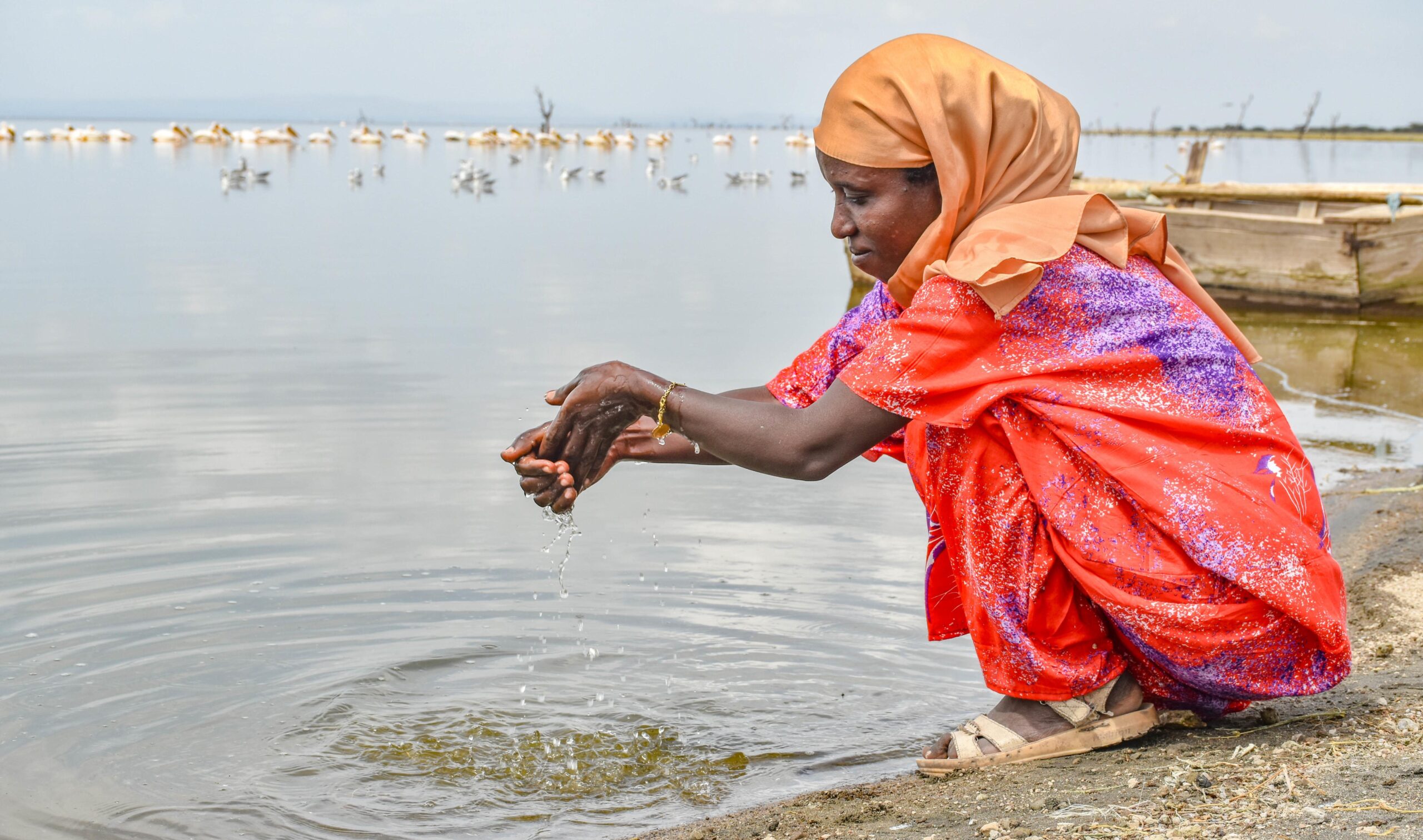
Sustainable Water Use and Agricultural Practices
This pillar focuses on supporting more sustainable water utilization within the basin. Wetlands International and Sher Ethiopia will collaborate closely with local farmers to implement improved agricultural practices that minimize water consumption and reduce runoff. This may include promoting efficient irrigation techniques, encouraging the adoption of drought-resistant crops, and providing training on water-saving methods. By empowering farmers with knowledge and resources, the project aims to foster a culture of responsible water stewardship at the grassroots level.
Nature-Based Solutions for Watershed Rehabilitation and Wetland Protection
A significant component of the project involves investing in nature-based solutions to rehabilitate the watershed and protect vital wetland ecosystems. These interventions are crucial for mitigating erosion and sedimentation, which are major threats to Lake Ziway’s water quality and depth. Activities may include reforestation of degraded areas, the construction of soil and water conservation structures such as terraces and check dams, and the restoration of natural wetland vegetation that acts as a buffer against sediment flow. By leveraging the power of natural processes, the initiative seeks to build resilience within the landscape.
Enhanced Water Monitoring and Decision-Making
To enable more effective and informed decision-making, the project will place a strong emphasis on monitoring water quantity and quality. This involves establishing robust data collection systems to track key hydrological indicators, water levels, and pollutant loads. The data gathered will provide critical insights into the effectiveness of implemented interventions and inform adaptive management strategies. This evidence-based approach ensures that resources are allocated efficiently and that the project remains responsive to evolving environmental conditions.
A Shared Commitment to a Sustainable Future
Lulit Tadele, Director of Sher Ethiopia, an integral part of the Dutch flower company Afriflora, articulated the company’s dedication to the initiative. "Ziway lake is critical for local communities, farmers, businesses, and biodiversity, and Sher Ethiopia is committed to playing our part in the collective effort to restore it and build resilience," Tadele remarked. "This initiative will help underpin the health of the lake that underpins the future of our community, and opens the door to other companies to support the restoration of degraded landscapes and to help achieve national goals on climate, nature, and sustainable development."
The challenges facing the Lake Ziway basin are systemic, influenced by numerous pressures and actors across the landscape. Recognizing this complexity, the Ziway Lives and Landscapes project is designed as a scalable "proof-of-concept" and learning platform. Its aim is to rigorously test what works in practice, generate credible lessons, and accelerate broader collaboration and the adoption of effective solutions.
Alwin Quispel, Counsellor for Agriculture and Nature at the Embassy of the Kingdom of the Netherlands in Ethiopia, highlighted the significance of this innovative approach. "There is no silver bullet for the challenges facing Lake Ziway. We believe the answer lies in unprecedented collective action that includes strong contributions from the private sector," Quispel stated. "This innovative initiative will kickstart a new era of cooperation and environmental restoration in the landscape, which will benefit communities and economies, reverse nature loss, and strengthen climate adaptation."

The 4 Returns Framework: A Guiding Principle
The initiative’s innovative approach is firmly rooted in the "4 Returns Framework." This globally recognized framework emphasizes the restoration of natural, social, financial, and inspirational value within a landscape. By focusing on these interconnected dimensions, the Ziway Lives and Landscapes project aims to create a holistic and sustainable model for environmental restoration and community development.
- Natural Returns: This refers to the restoration of ecological functions, biodiversity, and ecosystem services, such as clean water, fertile soil, and healthy wetlands.
- Social Returns: This pillar focuses on empowering local communities, enhancing livelihoods, and fostering social cohesion and well-being.
- Financial Returns: This involves creating economic opportunities and ensuring the long-term financial sustainability of restoration efforts and related enterprises.
- Inspirational Returns: This aspect highlights the importance of building a shared vision, fostering hope, and inspiring collective action and behavioral change.
This inclusive and collective approach is essential for achieving lasting positive change in complex socio-ecological systems like the Ziway basin.
An Invitation to Collaborate and Scale Impact
Wetlands International and Sher Ethiopia are extending a clear invitation to a wide array of stakeholders to join their efforts and contribute to scaling up the initiative’s impact. "Join us," urged Shiferaw. "If you’re a company, value chain actor, local institution, knowledge partner, donor, or community organization, you can contribute expertise, implementation capacity, data, convening power, or co-funding to help scale what works beyond the initial demonstration sites."
Partnerships are crucial for accelerating basin-wide impact and shaping a credible, shared pathway for long-term water stewardship and environmental health in Ziway. The success of the "Ziway Lives and Landscapes" project hinges on its ability to foster broad-based collaboration and to demonstrate that integrated, landscape-level solutions are not only feasible but also essential for the region’s prosperity and ecological resilience.
Background Context: The Critical Importance of Lake Ziway
Lake Ziway, one of the Great Rift Valley lakes of Ethiopia, is a vital natural resource. It serves as a primary source of livelihood for thousands of people in the surrounding areas, supporting fishing, agriculture, and tourism. The lake and its associated wetlands are critical habitats for a diverse range of endemic and migratory bird species, contributing significantly to Ethiopia’s rich biodiversity. Economically, the lake’s health is intrinsically linked to the productivity of the agricultural sector, particularly the horticultural industry, which relies heavily on the region’s water resources.
However, Lake Ziway has been facing mounting environmental pressures for decades. Deforestation in the upper catchments, unsustainable agricultural practices leading to increased runoff of fertilizers and pesticides, and the unchecked expansion of settlements have all contributed to accelerated soil erosion. This erosion results in massive amounts of sediment being deposited into the lake, reducing its depth, altering its water quality, and impacting aquatic ecosystems. Over-abstraction of water for irrigation and industrial use further exacerbates the situation, leading to fluctuating water levels and increased salinity.

The Ethiopian government has recognized the urgency of these challenges, and various conservation efforts have been undertaken over the years. However, the scale and complexity of the problems often require coordinated action involving multiple stakeholders, including government agencies, local communities, non-governmental organizations, and the private sector. The launch of the "Ziway Lives and Landscapes" project marks a significant step forward in forging such collaborative solutions.
Broader Implications for Sustainable Development
The "Ziway Lives and Landscapes" initiative holds significant implications beyond the immediate restoration of Lake Ziway. It serves as a model for integrated landscape management in a region facing similar environmental challenges. By demonstrating the effectiveness of public-private partnerships and nature-based solutions, the project can inspire similar initiatives in other critical watersheds across Ethiopia and beyond.
The focus on sustainable water management and soil conservation directly contributes to climate change adaptation and mitigation efforts. Healthy wetlands and rehabilitated landscapes are more resilient to extreme weather events, such as droughts and floods, and they play a crucial role in carbon sequestration.
Furthermore, the project’s emphasis on restoring natural, social, and financial value aligns with global sustainable development goals. By improving livelihoods, enhancing environmental quality, and fostering economic resilience, the initiative contributes to poverty reduction, food security, and overall well-being in the region. The success of this project could pave the way for increased investment in ecological restoration and sustainable development, creating a positive feedback loop for environmental and economic progress.
The collaboration with Sher Ethiopia, a prominent player in the agricultural export sector, is particularly noteworthy. It signals a growing recognition within the private sector of its responsibility and stake in environmental stewardship. This proactive engagement from a major company can set a powerful precedent, encouraging other businesses to adopt similar practices and contribute to collective conservation efforts. The shared risk and shared reward model championed by this initiative could fundamentally alter how businesses interact with their environmental context.
As the "Ziway Lives and Landscapes" project unfolds over the next three years, its progress will be closely watched as a benchmark for collaborative environmental action and sustainable development in Ethiopia and the wider East African region. The commitment of Wetlands International, Sher Ethiopia, and The Netherlands Embassy, coupled with the call for broader stakeholder engagement, offers a promising outlook for the future health of Lake Ziway and its invaluable landscape.
