
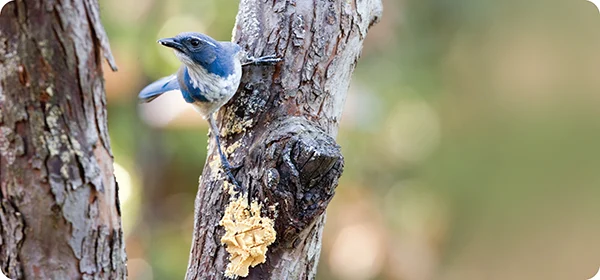
The tradition of "feasting," often defined as the consumption of an elaborate meal to mark a special occasion, resonates deeply with many during the Thanksgiving season. While human celebrations typically involve tables laden with seasonal delicacies, shared with family and friends, an emerging perspective suggests a parallel can be drawn for our avian neighbors. This viewpoint, championed by entities like Wild Birds Unlimited (WBU), encourages individuals to extend their celebratory spirit to backyard birds by providing high-quality food and maintaining clean feeding stations, thereby enhancing the ecological benefits of bird feeding.
The Essence of a Feast: Expanding the Definition
At its core, a feast signifies abundance and shared enjoyment. For humans, this often translates to a meticulously prepared meal, often accompanied by entertainment such as games, outdoor activities, or shared media consumption. The article from WBU Inc. posits that this concept can be thoughtfully extended to the realm of backyard bird feeding. By treating birds as honored guests, their "table" – the bird feeders – should be equally impeccable. This involves ensuring feeders are clean, a fresh water source is available, and the food offerings are of the highest quality.
The suggestion is to elevate the typical bird feeding routine into a more deliberate act of hospitality. This involves curating a diverse and nutritious "menu" for the birds, mirroring the thoughtfulness put into human Thanksgiving dinners. The article highlights several key components for such an avian feast. A foundational offering includes quality seed blends, suet, and Nyjer® seed. To further enrich this offering, the inclusion of peanuts, Bark Butter® products, and specialized seed blends like the Winter SuperBlend® are recommended. The premise is that a varied and appealing diet will not only nourish the birds but also provide a captivating spectacle for the human observers, thus contributing to the day’s entertainment.
Connecting Human and Avian Celebrations: Beyond the Plate
The article subtly draws a connection between human holiday traditions and the act of bird feeding by introducing the concept of "entertainment." While humans might engage in football or movies, the observation of birds at feeders can serve as a similarly engaging pastime. By providing a "feast" for the birds, their activity and presence become a source of enjoyment and a focal point for appreciating nature. This perspective encourages a more active and appreciative form of bird watching, transforming passive observation into an interactive experience.
Furthermore, the article introduces an element of conscious consumerism and ecological responsibility through the recommendation of shade-grown, bird-friendly coffee. This choice is presented not just as a personal indulgence but as an extension of the "thank you" gesture to birds. Shade-grown coffee farms are crucial for preserving forest canopies, which provide essential wintering habitats for over 42 species of North American migratory songbirds. This adds a layer of ethical consideration to the act of feasting, linking personal enjoyment with tangible conservation benefits. It suggests that even simple choices can have significant positive impacts on bird populations.
A Deeper Dive into Avian Nutrition and Habitat
The concept of a "feast" for birds necessitates an understanding of their nutritional needs, particularly during seasons when natural food sources may be scarce. High-quality seed blends are designed to offer a balanced mix of essential nutrients. Sunflower seeds, for example, are rich in fats and proteins, providing vital energy. Millet and cracked corn are good sources of carbohydrates, while Nyjer® seed, with its small size and high oil content, is a favorite among finches.
Suet, a rendered animal fat, is particularly valuable during colder months. It is a calorie-dense food that provides the high fat content birds need to maintain body temperature and energy levels. WBU’s Bark Butter® products, often made from a blend of suet, peanut butter, and other ingredients, offer an easily digestible and highly palatable food source that attracts a wide variety of bird species, including woodpeckers, nuthatches, and chickadees.

Specialty blends, such as the Winter SuperBlend®, are formulated to cater to the specific dietary requirements of birds during winter. These blends often incorporate ingredients that offer increased energy and warmth, ensuring birds can withstand harsh weather conditions. The emphasis on variety and quality in bird food offerings underscores the WBU’s commitment to the well-being of wild birds, framing their products as essential components of a responsible and enjoyable bird-feeding practice.
The Broader Context: Conservation and Community
The initiative to "feast with feathered friends" extends beyond mere sustenance for the birds; it promotes a deeper connection with nature and fosters a sense of community responsibility. By encouraging people to actively care for birds, WBU Inc. is not only selling products but also advocating for a lifestyle that prioritizes environmental stewardship.
Supporting Data and Context:
- Migratory Bird Decline: Numerous studies have documented alarming declines in bird populations across North America. The U.S. Fish and Wildlife Service and various ornithological organizations have reported significant drops in the numbers of many common species. Factors contributing to this decline include habitat loss, climate change, pesticide use, and collisions with man-made structures. Backyard bird feeding, when done responsibly, can provide a supplementary food source that helps mitigate some of these pressures, particularly during critical periods like winter.
- Economic Impact of Bird Feeding: The backyard bird feeding industry is a significant economic driver, with millions of households participating annually. This industry not only supports businesses like Wild Birds Unlimited but also contributes to local economies through employment and retail sales. The practice fosters a connection to nature that can inspire further engagement in conservation efforts.
- Ecological Benefits of Shade-Grown Coffee: The link between shade-grown coffee and bird conservation is well-established. According to the Smithsonian Migratory Bird Center, shade-grown coffee farms can support a biodiversity comparable to natural forests, providing crucial habitat for migratory birds that would otherwise face significant challenges during their wintering periods in tropical regions. This highlights how consumer choices can directly impact conservation outcomes.
A Timeline of Avian Support: From Basics to Elevated Offerings
The concept of feeding birds has evolved over time. Initially, it might have been as simple as scattering breadcrumbs. However, with increased understanding of avian nutrition and habitat needs, practices have become more sophisticated.
- Early Practices: Historically, people may have left out scraps or grains for birds, often with little regard for specific dietary needs.
- Mid-20th Century: The rise of garden culture and increased leisure time saw a growing interest in attracting birds to backyards. Basic bird feeders and seed mixes began to appear more widely.
- Late 20th Century to Present: With greater scientific research into bird ecology and the establishment of specialized retailers like Wild Birds Unlimited, the focus shifted towards providing scientifically formulated foods, clean feeding environments, and diverse habitat enhancements. This era emphasizes a holistic approach, recognizing that successful bird feeding involves more than just putting out seed. The development of specialized products like Nyjer® thistle socks and the popularization of suet feeders represent advancements in catering to specific bird species’ preferences and nutritional requirements. The current trend, as exemplified by the WBU article, is to elevate this practice into a more intentional and celebratory act, aligning it with broader conservation goals.
Official Statements and Community Reactions (Inferred)
While direct quotes from specific individuals are not provided in the original text, the underlying message from Wild Birds Unlimited represents a consistent philosophy within the bird feeding community. Organizations like the Cornell Lab of Ornithology, which offers resources on bird conservation, often echo these sentiments, emphasizing the importance of providing clean water, varied food sources, and safe habitats.
The inferred reaction from bird enthusiasts would likely be positive, resonating with individuals who already find joy and fulfillment in observing and supporting local bird populations. The emphasis on quality and the connection to conservation efforts would appeal to those who view bird feeding as more than a hobby but as a contribution to ecological well-being.
Implications and Broader Impact: A Symbiotic Relationship
The "Feasting with Our Feathered Friends" concept, as promoted by Wild Birds Unlimited, carries several implications:
- Enhanced Bird Health and Survival: By providing high-quality, nutritious food and clean environments, individuals can significantly contribute to the health and survival rates of birds, especially during challenging seasons. This supplementary feeding can be crucial for birds facing food scarcity due to urbanization, habitat fragmentation, or extreme weather.
- Increased Biodiversity in Urban and Suburban Areas: Attracting a wider variety of bird species to backyards can enrich local ecosystems. This not only benefits the birds but also contributes to pollination, seed dispersal, and insect control within these human-dominated landscapes.
- Strengthened Human-Nature Connection: The act of intentionally caring for wildlife can foster a deeper appreciation for nature and its intricate systems. This connection can lead to increased environmental awareness and a greater willingness to participate in conservation initiatives.
- Economic Support for Conservation: The bird feeding industry, driven by companies committed to responsible practices, provides financial support for research and conservation efforts. Consumers who purchase high-quality bird food are indirectly contributing to these broader goals.
- Educational Opportunities: Backyard bird feeding serves as an accessible and engaging educational tool for people of all ages, fostering an understanding of avian behavior, ecology, and the importance of habitat preservation.
In conclusion, the notion of "feasting with our feathered friends" offers a compelling perspective on backyard bird feeding. It transforms a routine activity into a meaningful celebration of nature, emphasizing the reciprocal relationship between humans and the avian world. By providing a thoughtfully curated menu of high-quality foods and maintaining pristine feeding environments, individuals can not only delight their avian visitors but also contribute to their well-being and the broader goals of ecological conservation. This approach, deeply rooted in the philosophy of Wild Birds Unlimited, encourages a more engaged, responsible, and ultimately, more rewarding experience for all involved. The act of feasting, in this context, becomes a testament to our shared responsibility for the natural world.
