
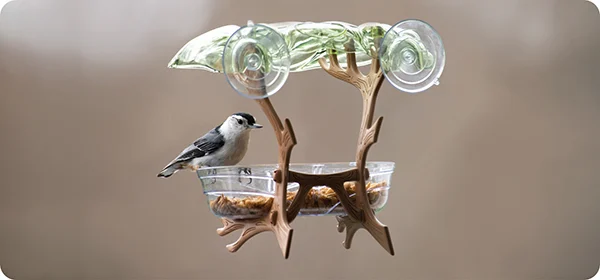
The crisp autumn air of October brings with it the familiar sounds of rustling leaves and the anticipation of Halloween festivities. While many associate this season with costumes, candy, and spooky decorations, a different kind of celebration is unfolding in backyards across North America. For bird enthusiasts and wildlife observers, October presents a unique opportunity to connect with nature by understanding and catering to the needs of their feathered visitors. This season, the adage "Trick or Treat is for the Birds" takes on a literal meaning, as thoughtful practices can indeed entice birds with "treats" and employ subtle "tricks" to enhance their habitat and encourage their presence.
Understanding the Avian October Calendar
As the days shorten and temperatures begin to drop, migratory birds are either completing their southward journeys or preparing for the leaner months ahead. Resident birds, on the other hand, are actively seeking out reliable food sources to build up their energy reserves for winter survival. This critical period makes October a prime time for bird feeding and habitat enhancement. Providing supplementary food and water sources can be particularly beneficial during this transitional phase, helping birds thrive as natural food availability diminishes.
The concept of actively attracting birds to backyards is not new. For decades, organizations like Wild Birds Unlimited (WBU) have been at the forefront of educating the public about backyard birding, emphasizing the ecological and personal enrichment benefits of creating bird-friendly environments. The practice has grown from a niche hobby to a widespread passion, with millions of individuals participating annually. This growing interest is reflected in the increasing demand for specialized birdseed, feeders, and habitat solutions, a market that has seen steady growth over the past two decades.
The Art of the "Trick": Enhancing Bird Attraction
While the term "trick" might sound deceptive, in the context of birding, it refers to clever strategies that help birds discover and utilize the resources provided. One of the most effective "tricks" involves the strategic use of sound and water.
The Magnetic Pull of Moving Water
"The sound of moving water is a bird magnet," highlights the WBU, and for good reason. Birds, like all living creatures, are drawn to sources of water for drinking and bathing. The gentle murmur of a circulating pump in a bird bath or the rhythmic drip from a water feature creates an auditory lure that can be heard by birds from a considerable distance. This is particularly important during drier periods or when natural water sources begin to freeze over.
According to ornithological studies, access to clean water can significantly increase the diversity of bird species in an area. A study published in the Journal of Avian Biology found that the presence of a consistent water source can double the number of bird species visiting a garden, even in areas with ample natural rainfall. The visual appeal of moving water also plays a role, catching the birds’ attention and signaling a potentially safe and refreshing spot. The addition of a simple dripper or a small fountain can transform a static bird bath into a dynamic attraction, drawing in a wider array of species, from finches and chickadees to larger birds like robins and jays.
Strategic Seed Placement
Introducing new feeders or types of bird food can sometimes lead to a period of hesitant observation by birds. They are cautious creatures, and it can take time for them to recognize a new food source as safe and beneficial. A clever "trick" to accelerate this discovery process is to strategically scatter a small amount of the new seed on top of or even beneath the feeder.
Birds primarily locate their food by sight. By placing a small sample of the seed in visible locations, you provide an immediate visual cue. This allows them to quickly identify the offering and associate it with the nearby feeder. This method is especially effective for new types of seed mixes or when introducing specialized foods like suet or Bark Butter. The initial visual confirmation encourages them to investigate the feeder more closely, thus speeding up their adoption of the new feeding station. This simple yet effective technique can reduce the waiting period from weeks to mere days, ensuring that your efforts to provide sustenance are quickly rewarded with avian visitors.
The "Treats": Nutrient-Rich Offerings Beyond the Basics
Beyond the "tricks" to attract them, the true joy of birding lies in providing "treats" – special, high-energy foods that go beyond the everyday seed and suet mix. These are the delicacies that can significantly boost a bird’s health, particularly during the demanding autumn and winter months.
Jim’s Birdacious® Bark Butter®: A Proven Avian Favorite
One of the most celebrated "treats" in the bird feeding world is Jim’s Birdacious® Bark Butter®, a proprietary blend developed by Wild Birds Unlimited. This spreadable suet is renowned for its ability to attract a remarkable variety of bird species, including those that may not typically visit traditional feeders. The appeal of Bark Butter lies in its rich, high-fat content and its unique texture, making it an irresistible offering for many birds.

WBU reports that Bark Butter has been documented to attract an impressive 155 different bird species across North America. This includes species like woodpeckers, warblers, and even some less common visitors that might otherwise bypass standard feeders. The "trick" to maximizing its effectiveness is similar to seed placement: smear it onto the bark of a favorite tree, a fence post, or the top of an active feeder. This allows birds to access it directly from surfaces they are already comfortable perching on. Its high-energy composition makes it an ideal supplement, providing essential calories and nutrients for birds preparing for migration or enduring cold weather.
Peanuts: A High-Energy Powerhouse
Peanuts are another exceptionally valuable "treat" for backyard birds. Rich in protein and healthy fats, they offer a significant energy boost, crucial for birds facing increased metabolic demands during cooler months. A wide array of species, including various woodpeckers, titmice, nuthatches, chickadees, and bushtits, readily consume peanuts.
Jays, in particular, have a strong affinity for peanuts, especially those offered in the shell. Their intelligent and industrious nature leads them to actively cache these peanuts for later use. A single jay can reportedly hide up to 100 peanuts in a day, quickly emptying a tray feeder. This caching behavior, while depleting a feeder swiftly, is a fascinating display of avian strategy. Birds have been observed flying as far as six miles to bury their prized peanut caches, demonstrating the high value they place on this nutritious food source. Offering shelled or unshelled peanuts can significantly enhance the biodiversity and activity at your feeders.
Specialized Treats for Specific Species
Beyond these widely appealing options, other specialized "treats" can cater to the specific dietary needs and preferences of particular bird species:
- Mealworms: These protein-rich insects are a particular favorite of bluebirds, providing essential nutrients for nesting and general health. Offering live or dried mealworms can be a highly effective way to attract and sustain bluebird populations in a backyard.
- Fruit and Jelly: Orioles, known for their vibrant plumage and acrobatic feeding habits, have a fondness for fruits like oranges and grape jelly. Providing these items in specialized feeders can create a delightful spectacle of color and activity.
- Nectar: For the energetic and dazzling hummingbirds, a carefully prepared sugar-water nectar solution remains the ultimate treat. Maintaining clean nectar feeders throughout the season ensures these tiny powerhouses have access to the fuel they need to thrive.
The Broader Impact and Analysis
The practice of providing supplementary food and habitat for birds, especially during transitional seasons like October, has far-reaching implications.
Ecological Contributions
From an ecological standpoint, backyard bird feeding plays a vital role in supporting avian populations, particularly in urban and suburban environments where natural food sources may be limited or fragmented. By offering readily available nutrition, individuals contribute to the survival rates of resident birds and provide crucial refueling stops for migratory species. This can have a cascading effect on local ecosystems, influencing insect populations and seed dispersal.
Citizen Science and Education
Backyard birding also serves as a powerful platform for citizen science and environmental education. Millions of individuals actively observe and record the birds they see, contributing valuable data to scientific research on bird populations, migration patterns, and habitat use. Organizations like WBU actively promote this through their educational events and resources, fostering a deeper understanding and appreciation of nature.
The WBU Nature Centered Podcast, in its episode "Treats for Birds. No Tricks," further underscores this commitment to education. By providing accessible and engaging content, they empower individuals to become more informed stewards of their local environment. Hosts John and Brian’s insights offer practical advice, demystifying the art of bird feeding and encouraging a more connected relationship with the natural world.
Economic Implications
The growing popularity of bird feeding has also spurred significant economic activity. The market for bird feeders, seed, and related accessories has expanded considerably, supporting businesses and creating jobs. Wild Birds Unlimited, with its extensive franchise network, exemplifies the commercial success of this burgeoning industry, demonstrating that a passion for nature can also be a viable enterprise. The franchise model itself, as promoted on wbufranchise.com, indicates a strategic approach to expanding this business, suggesting a sustained and growing consumer interest.
Conclusion: A Rewarding Season for All
As Halloween approaches, the playful notion that "Trick or Treat is for the Birds" resonates with a deeper meaning. It’s an invitation to engage with the natural world in a tangible and rewarding way. By employing simple "tricks" to enhance bird attraction and offering a variety of nutritious "treats," individuals can transform their backyards into havens for avian life. This not only benefits the birds but also provides immense personal satisfaction and a closer connection to the wonders of nature. The October bird feeding season, therefore, offers a unique blend of festive spirit and ecological responsibility, proving that this time of year is indeed a delightful occasion for both feathered friends and the people who cherish them. The simple act of providing a well-placed feeder or a fresh water source can be a profound gesture, enriching the lives of countless birds and fostering a greater appreciation for the intricate web of life that surrounds us.
