
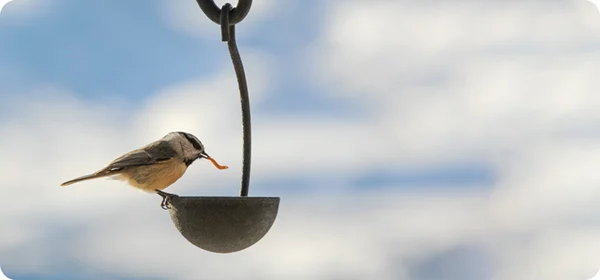
May Presents a Unique Opportunity to Delight Mothers with a Gift That Nourishes Both Avian Life and Natural Beauty
As Mother’s Day approaches, the perennial quest for the perfect gift often leads to a consideration of traditional tokens of affection. However, for those seeking a truly unique and impactful present, a seemingly unconventional idea emerges: offering "bugs for birds." This suggestion, while initially surprising, holds profound ecological significance and can translate into a deeply rewarding experience for mothers who appreciate the wonders of nature. The month of May, a critical period for avian reproduction and migratory journeys, underscores the timing and relevance of this nature-centric gift.
The Vital Role of Insects in the Avian Life Cycle
The notion of gifting insects, particularly for Mother’s Day, is rooted in the fundamental biological needs of birds. May marks the peak of nesting season across many regions. During this crucial period, virtually all bird species rely heavily on insects as the primary food source for their rapidly growing young. Newly hatched chicks possess high metabolic rates and require a nutrient-dense diet rich in protein and essential fats, which insects readily provide. A yard that offers an abundant and diverse insect population, therefore, becomes a vital nursery, fostering the development of more fledglings and supporting a greater variety of bird species.
This reliance on insects extends beyond the immediate nesting period. Migratory songbirds, traversing vast distances, also depend on a high-energy diet to fuel their arduous journeys. Insects are a concentrated source of fats and calories, indispensable for maintaining stamina and enabling them to reach their breeding grounds or continue their southward migrations. For mothers who delight in observing the vibrant spectacle of nature, the presence of diverse insect-eating birds in their backyard—such as warblers, vireos, thrushes, and tanagers—can offer unparalleled joy and a direct connection to the thriving ecosystem.
Cultivating a Bird-Friendly Habitat: A Two-Pronged Approach
Creating an environment that naturally attracts and sustains insect populations, thereby benefiting birds, can be achieved through a strategic, two-part approach. This strategy not only caters to the needs of avian life but also enhances the aesthetic appeal of a garden, offering a lasting source of enjoyment.
1. The Enduring Beauty of Native Plants
While a bouquet of cut flowers may offer temporary visual pleasure, a more sustainable and ecologically beneficial gift lies in the selection of native plants. These plants, when introduced into a mother’s garden, either in the ground or in containers, can provide beauty and ecological value throughout the entire summer and beyond. Native flora are intrinsically linked to the local insect populations. They provide essential food sources, such as nectar, pollen, and foliage, for a wide array of native insects, including butterflies, moths, bees, and beetles.
The symbiotic relationship between native plants and indigenous insects is a cornerstone of a healthy ecosystem. As these insects flourish, they, in turn, become a readily available food source for the birds that frequent the garden. The act of planting native species is thus an investment in the long-term vitality of the local environment, creating a dynamic and engaging natural spectacle for years to come. The diversity of native plants can attract a wider range of insect species, which in turn supports a greater diversity of bird species, offering a continuously evolving panorama of natural activity.
2. Supplementing with Mealworms: A Targeted Nutritional Boost
Complementing the natural insect bounty provided by native plants, the supplemental feeding of mealworms offers a direct and highly effective way to attract insectivorous birds. Mealworms, which are the larval stage of the mealworm beetle, are a concentrated source of protein and fat, mimicking the nutritional profile of natural insect prey. Offering mealworms can significantly enhance a yard’s appeal to birds, particularly during periods of high demand, such as the nesting season or during migration.
These readily available food supplements act as a powerful attractant, drawing a broader array of bird species to feeders. For birds that naturally consume insects, mealworms provide a reliable and easily accessible food source, ensuring they have the energy reserves necessary for breeding, migration, and survival. The visual appeal of birds actively feeding on mealworms can be a source of immense pleasure for any nature enthusiast, making it an ideal gift for a mother who cherishes these moments.
Historical Context and Ecological Significance
The practice of feeding wild birds has a long and evolving history, gaining significant traction in the latter half of the 20th century as awareness of environmental conservation grew. Early bird feeding often focused on simple seed mixes. However, as ornithological research advanced, it became increasingly clear that many bird species, particularly during their reproductive cycles, require a diet far more diverse than seeds alone can provide. This understanding has led to the development of specialized bird foods, including those rich in insect-based proteins.
The concept of "giving bugs for birds" aligns with this progression in understanding avian dietary needs. It acknowledges that while seeds are a vital food source for many species, particularly granivorous birds, insectivorous birds have distinct requirements. The current emphasis on providing insect-based foods reflects a more nuanced and ecologically informed approach to backyard bird feeding. This shift is not merely a trend but a response to scientific evidence demonstrating the critical role of insects in supporting bird populations.
The timing of Mother’s Day in May is particularly poignant from an ecological perspective. May is a period of intense activity in the natural world. Across North America, millions of birds are engaged in nesting, incubating eggs, and feeding hatchlings. Simultaneously, vast numbers of migratory birds are undertaking their annual journeys, often facing challenges such as habitat loss and food scarcity. Providing supplemental insect-based foods during this critical juncture can have a tangible positive impact on the survival rates of both resident and migratory bird populations.
Supporting Data and Scientific Insights
Research consistently highlights the protein requirements of nestlings. For example, studies on species like the American Robin ( Turdus migratorius ) have shown that their diet during the nesting season can consist of up to 90% invertebrates, with earthworms and insects forming the bulk. Similarly, analyses of chick diets in various songbird species reveal a strong preference for caterpillars, beetles, and spiders, all of which are rich in the amino acids and lipids essential for rapid growth and development.

The energy demands of migratory birds are also substantial. Birds can expend thousands of calories during long-distance flights. A diet rich in fats and proteins, readily found in insects and insect-based supplements, is crucial for building up fat reserves necessary for sustained flight. For instance, studies on the refueling rates of migratory birds at stopover sites indicate that access to abundant insect food sources can significantly improve their chances of successfully completing their journeys.
The effectiveness of supplemental feeding in attracting birds has been documented. Studies utilizing feeders offering various food types have shown that insect-based foods, such as mealworms, are particularly effective at attracting a wider range of species, including those not typically drawn to seed feeders. This attraction is especially pronounced for insectivorous birds that may be struggling to find natural food sources due to environmental changes or seasonal fluctuations.
Strategic Product Offerings and Their Benefits
Companies specializing in backyard bird feeding have recognized the growing demand for insect-based foods and have developed a range of products designed to cater to these needs. For example, Wild Birds Unlimited (WBU) offers several products specifically formulated to attract insect-eating birds and support nesting success.
-
Nesting SuperBlend®: This blend is designed to provide essential nutrients for nesting birds. It typically contains a high proportion of dried mealworms, alongside other energy-rich ingredients. Available as a loose seed blend or a seed cylinder, it offers versatility in feeding methods. The inclusion of mealworms directly addresses the elevated protein needs of parent birds feeding their young.
-
Bug, Nut & Berry Cylinder¢: This popular seed cylinder offers a multifaceted approach to attracting birds. It combines insect-based ingredients with nuts and berries, providing a balanced and appealing food source for a variety of species. The presence of dried insects in this blend makes it particularly attractive to birds that forage for insects in their natural habitat.
-
Live Mealworms: For a highly effective attractant, live mealworms are often considered the gold standard. Their natural appeal to insectivorous birds is undeniable. Offering live mealworms can transform a backyard into a favored feeding destination, attracting a diverse array of songbirds that might otherwise pass through without stopping. The live element provides a natural foraging stimulus, mimicking the hunt for live insects.
The availability of these specialized products makes it convenient for individuals to implement a strategy of supplemental insect feeding. This not only benefits the birds but also provides a tangible way for gift-givers to connect their mothers with the natural world.
Broader Impact and Implications
The act of giving "bugs for birds" extends beyond a simple gift; it represents a conscious choice to support local ecosystems and promote biodiversity. By encouraging the use of native plants and supplemental insect-based foods, individuals contribute to a healthier environment for both wildlife and humans.
Ecological Implications:
The increased presence of insectivorous birds can help in natural pest control within residential areas. These birds consume large quantities of insects, including those that can be detrimental to gardens and crops. This natural regulation reduces the need for chemical pesticides, leading to a more environmentally friendly landscape.
Educational and Engagement Value:
This gift offers a unique educational opportunity. Observing birds actively feeding on insects, or witnessing the proliferation of insect life attracted by native plants, can foster a deeper appreciation for ecological interconnectedness. It can spark curiosity and encourage further learning about local flora and fauna, promoting environmental stewardship.
Community Impact:
As more individuals adopt bird-friendly gardening practices and supplemental feeding strategies, the collective impact on local bird populations can be significant. This can lead to more vibrant and resilient ecosystems within communities, enhancing the overall quality of life. The shared experience of observing wildlife can also foster a sense of community among neighbors who engage in similar practices.
Conclusion: A Gift That Continues to Give
The idea of "bugs for birds" as a Mother’s Day gift, while unconventional, is deeply rooted in ecological necessity and offers a profoundly rewarding experience. By embracing this concept, gift-givers can provide a present that nourishes the natural world, brings joy through the observation of wildlife, and contributes to the long-term health of local ecosystems. Whether through the thoughtful planting of native species or the provision of specialized insect-based foods, this approach offers a unique way to celebrate mothers while simultaneously championing the vital role of insects in supporting avian life. It is a gift that embodies the spirit of giving back to nature, creating a lasting legacy of ecological appreciation and vibrant natural beauty.
