
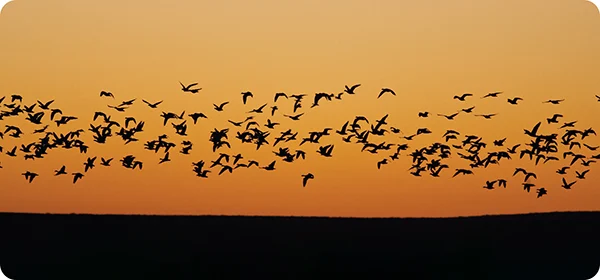
September marks a period of significant transition across the natural world, signaling a shift from the languid days of summer to the invigorating crispness of autumn. This seasonal metamorphosis, observed in landscapes, human activities, and particularly within avian populations, presents a critical juncture that demands adaptation and preparation. For birds, this time of year is characterized by intense physiological and behavioral changes, driven by the fundamental imperatives of survival and reproduction. Understanding these transitions is key for backyard observers seeking to support their feathered visitors.
The Autumnal Shift: A Landscape in Flux
As the calendar page turns to September, the environmental cues for change become undeniable. The long, sun-drenched days of summer begin to recede, ushering in cooler temperatures and shorter daylight hours. This gradual alteration in ambient conditions triggers a cascade of responses throughout ecosystems. In gardens and wild spaces, the vibrant blooms of summer flowers mature, transforming into seed heads and developing berries, which represent crucial food sources for a variety of wildlife. Simultaneously, deciduous trees, which have provided lush green canopies for months, prepare for their dramatic seasonal display. The chlorophyll responsible for their green hue begins to break down, revealing the yellow, orange, and red pigments that have been present all along, culminating in a brief but spectacular exhibition of autumnal color before leaf fall. This visual spectacle serves as a powerful indicator of the profound biological shifts occurring beneath the surface of the natural world.
Avian Adaptations: Molting and Migration
Birds, perhaps more acutely attuned to these environmental cues, are undergoing their own profound transitions. For many adult birds, the demanding responsibilities of raising young have concluded. The primary focus now shifts to self-preservation and preparation for the challenges of the coming winter. One of the most visually striking and energetically demanding processes birds undertake during this period is molting. This is the cyclical shedding and replacement of feathers. Feathers, vital for insulation, flight, and protection from the elements, degrade over time due to wear and tear. Molting ensures that birds maintain their essential aerodynamic and thermoregulatory capabilities.
The molting process is far from a minor inconvenience. It is an intensive biological undertaking that can last anywhere from four to eight weeks, depending on the species. During this period, birds are dedicating a significant portion of their metabolic resources to growing new feathers. Feathers are primarily composed of keratin, a protein that requires a substantial dietary intake of protein to synthesize. Consequently, birds experiencing this molt exhibit an exceptionally high demand for protein-rich foods.
In parallel with molting, many bird species are also gearing up for migration. The shortening days are a powerful trigger, initiating a physiological restlessness and an innate drive to move towards warmer climates or areas with more abundant food resources for the winter months. This arduous journey demands immense reserves of energy. To fuel these long flights, many migratory birds engage in a remarkable feat of biological preparation: hyperphagia, or the excessive consumption of food.
The Fueling of Flight: Nutritional Demands of Transition
The dual demands of molting and migration place extraordinary nutritional pressure on birds. During the hyperphagia phase, some species can double their body weight in a matter of weeks. This stored body fat serves as the primary fuel source for sustained flight, which can cover hundreds or even thousands of miles. Imagine the biological imperative: to embark on a journey that could take days or weeks of continuous flight, requiring an energy reserve equivalent to carrying a significant portion of one’s own body weight in fuel. This process is all-consuming, driving birds to prioritize food sources that offer the highest caloric and protein yields.
The stakes during these transitional periods are incredibly high. For a bird, failure to adequately fuel its molt or migration can have dire consequences. Insufficient protein can lead to poorly formed feathers, compromising flight efficiency and insulation, potentially leading to hypothermia or an inability to escape predators. A lack of sufficient fat reserves can result in exhaustion during migration, making them vulnerable to predators, adverse weather, or simply the inability to reach their destination. Therefore, the drive to consume energy-dense foods is not a matter of preference but a critical survival mechanism.
An Opportunity for Backyard Conservationists
This heightened nutritional need presents a direct opportunity for individuals who maintain backyard bird feeders. By understanding the specific dietary requirements of birds during their autumnal transition, backyard observers can play a vital role in supporting local and migratory avian populations. Providing readily accessible, high-quality food sources that meet these demands can make a significant difference in the well-being of birds in their area.
The ideal foods for this period are those that are exceptionally high in fats and proteins. These are the macronutrients that fuel feather growth and fat accumulation for migration. Offering a diverse range of such foods can attract a wider variety of species and provide the specific nutrients each bird needs.
Recommended High-Energy Foods for Backyard Birds:

- WBU Plus Blends: These specially formulated seed mixes are designed to provide a balanced and energy-rich diet, often incorporating high-protein seeds and fats. They are typically developed based on the nutritional needs of local bird populations.
- Peanuts: Both shelled and unshelled peanuts are excellent sources of protein and fat. They are a favorite of many backyard birds, including jays, woodpeckers, chickadees, and nuthatches.
- Nyjer® Seed: While often associated with finches, Nyjer seed is a small, oil-rich seed that provides valuable calories. Its high oil content makes it an excellent energy source.
- Sunflower Chips: Hulled sunflower seeds, or sunflower chips, offer a high concentration of fat and protein, making them a highly desirable food. Their lack of a shell also makes them easier for many birds to consume, reducing waste.
- Suet: Suet is rendered animal fat, and it is an incredibly calorie-dense food. During colder months and periods of high energy expenditure, suet cakes formulated with seeds, nuts, and fruits are an indispensable food source for woodpeckers, nuthatches, chickadees, and wrens. It provides essential fats for insulation and energy.
- Bark Butter® Products: These unique products, often a blend of peanut butter and cornmeal or other ingredients, are highly palatable and rich in protein and fats. They can be smeared on trees or feeders and attract a wide array of insectivorous and nectar-feeding birds, providing a concentrated source of energy.
By strategically offering these nutrient-dense foods, backyard feeders can become vital refueling stations for birds undertaking their arduous autumnal journeys and feather regeneration. The act of providing such sustenance not only aids the birds but also offers observers a unique and rewarding opportunity to witness the intricate processes of nature unfolding in their own backyards. The regular visits from a diverse array of species serve as a tangible acknowledgment of the support provided.
Enhancing Backyard Birding Experiences: Expert Insights and Resources
For those seeking to deepen their understanding of avian transitions and optimize their backyard birding experiences, additional resources are available. The Wild Birds Unlimited (WBU) organization offers a wealth of information aimed at connecting people with nature.
One such resource is the WBU Nature Centered Podcast. This informative and entertaining series features experts who delve into various aspects of backyard birding and wildlife. Specifically, an episode titled “Basics of Transition” offers valuable insights into the seasonal changes birds undergo and how to best support them. Hosts John and Brian explore strategies for attracting a wider variety of birds to backyard habitats, enhancing the observational opportunities for enthusiasts. Listening to this podcast can provide practical advice and a deeper appreciation for the natural world.
The WBU podcast episodes can be accessed through their website, providing a convenient way for individuals to learn more about bird feeding, conservation, and the fascinating lives of birds.
Broader Implications: Conservation and Ecosystem Health
The well-being of bird populations is intrinsically linked to the health of broader ecosystems. Birds play critical roles as pollinators, seed dispersers, and insectivores, contributing to the balance and functioning of natural environments. Events like molting and migration are not merely individual challenges for birds but indicators of the overall vitality of their habitats.
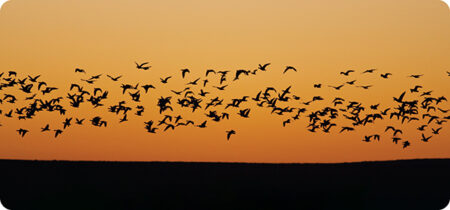
The challenges faced by birds during these transitional periods highlight the importance of habitat preservation and responsible land management. The availability of diverse food sources, clean water, and safe roosting and nesting sites is paramount. Backyard bird feeding, when done thoughtfully and with appropriate food choices, can supplement natural food sources, especially in urban and suburban environments where natural habitats may be fragmented or diminished.
Furthermore, understanding and supporting birds through these critical phases contributes to citizen science efforts. By observing bird behavior and noting species presence and abundance, individuals can indirectly contribute to long-term data collection on bird populations, which is vital for conservation planning and research. The simple act of filling a bird feeder with the right food can be a small but significant contribution to the larger picture of avian conservation.
In conclusion, September’s transition is a period of intense biological activity for birds. Molting and migration are energy-intensive processes that necessitate a significant increase in protein and fat intake. Backyard observers have a unique opportunity to support these vital avian activities by providing high-quality, nutrient-dense foods. By doing so, they not only enhance their own enjoyment of nature but also contribute to the survival and well-being of the birds that grace their gardens, fostering a deeper connection with the natural world and its intricate cycles.
