
The arrival of hummingbirds each spring marks a highly anticipated natural phenomenon, a vibrant spectacle that signals the resurgence of life and the lengthening of days. For many observers, the first glimpse of these diminutive, jewel-toned birds at feeders or flitting among blossoms is a moment of profound joy, a testament to nature’s enduring resilience and the rewards of patience. This sentiment is particularly resonant given the arduous journey these migratory marvels undertake.
The Epic Migration of Hummingbirds
Hummingbirds undertake some of the most remarkable migrations in the avian world, traveling thousands of miles to reach their breeding grounds and then returning to warmer climates for the winter. The Ruby-throated Hummingbird, for instance, a common sight in Eastern North America, undertakes a perilous 2,000-mile journey from its wintering grounds in Central America. This epic flight often involves crossing the Gulf of Mexico, a non-stop endeavor that can last between 18 to 22 hours, with birds relying on stored body fat to fuel this extraordinary feat. Their survival depends on their ability to navigate precisely and to locate food sources along the way, highlighting the critical importance of protected habitats and migratory corridors.
For those in the western United States, the migratory tapestry is even more diverse. Species like the Black-chinned, Rufous, and Broad-tailed hummingbirds also embark on significant migrations, though their routes and distances can vary. The Rufous Hummingbird, in particular, is known for its incredibly long migration for its size, traveling up to 3,900 miles one way from Alaska and Canada to Mexico. This incredible feat is a testament to their metabolism, aerial agility, and instinctual drive.
Anticipating Arrival: A Gardener’s and Birdwatcher’s Delight
The anticipation of these arrivals is not merely an aesthetic pleasure; it’s a signal for many to prepare their gardens and feeders. Providing nectar feeders stocked with a sugar-water solution (typically a 4:1 ratio of water to granulated white sugar, never honey or artificial sweeteners, which can be harmful) is a primary method for attracting these nectarivores. Beyond feeders, cultivating a hummingbird-friendly garden is crucial. Native plants that offer abundant nectar, such as bee balm (Monarda spp.), cardinal flower (Lobelia cardinalis), salvia, fuchsia, and honeysuckle, are vital food sources. These plants not only provide sustenance but also offer shelter and nesting materials, creating a more sustainable environment for hummingbirds.
The timing of their arrival can vary based on geographical location and prevailing weather conditions. In many southern regions, some hummingbird species may be present year-round or arrive as early as late February or early March. For those in more northern latitudes, the wait can extend into April and even May. This staggered arrival across different regions underscores the vastness of their migratory patterns and the interconnectedness of ecosystems across continents.
Resident Hummingbirds: A Different Kind of Anticipation
While many hummingbirds are migratory, some species are year-round residents in certain regions, particularly in the warmer climes of the far West. Species such as Anna’s Hummingbird, Costa’s Hummingbird, and Allen’s Hummingbird are often found breeding and raising their young in California and surrounding areas. For residents in these locales, the anticipation shifts from the arrival of migrating flocks to the joy of observing nesting behavior and the emergence of newly fledged juveniles. Witnessing a young hummingbird take its first flight, or observing parents diligently feeding their offspring, offers a unique and intimate glimpse into the life cycle of these captivating birds. This year-round presence in some areas highlights the diverse ecological niches hummingbirds occupy and the importance of maintaining suitable habitats throughout the year.
The Intricate Behaviors of Hummingbirds
Observing hummingbirds at feeders or in their natural habitat reveals a world of intricate behaviors and remarkable adaptations. Their aerial acrobatics are legendary; they are capable of hovering, flying backward, and even upside down, maneuvers made possible by their unique wing structure and rapid wingbeat frequency, which can exceed 50 beats per second for some species. This agility allows them to efficiently navigate dense foliage and access nectar from deep within flowers.

Their feeding mechanism is equally fascinating. Contrary to popular belief, hummingbirds do not suck nectar through their beaks. Instead, they employ a highly specialized, forked, grooved tongue that acts like a tiny pump. As the tongue extends, the grooves fill with nectar, and as it retracts, the nectar is drawn into the mouth. This rapid lapping action can occur up to 12 times per second, a testament to their incredible metabolic rate and the efficiency of their feeding strategy.
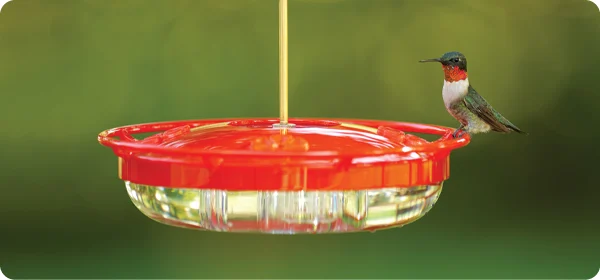
To enhance the viewing experience of this remarkable feeding process, specialized feeders have been developed. Feeders with clear plastic bases, such as those offered by Wild Birds Unlimited, allow observers to witness the dynamic action of the hummingbird’s tongue as it extracts nectar. This close-up observation offers a deeper appreciation for the biological marvels that these tiny birds represent.
Nutritional Needs and Beyond Nectar
While nectar provides essential carbohydrates for energy, hummingbirds require a more balanced diet for sustained health and reproduction. They supplement their nectar intake with small insects and spiders, which provide vital proteins, fats, and nutrients. These tiny invertebrates are often gleaned from leaves, spiderwebs, or caught in mid-air. Therefore, maintaining a healthy insect population in gardens is as important as providing nectar. Avoiding pesticides is crucial, as these chemicals can harm both the insects that hummingbirds consume and the birds themselves.
The Role of Conservation and Education
The conservation of hummingbird populations hinges on protecting their migratory routes and breeding habitats. Threats such as habitat loss, pesticide use, and climate change can significantly impact their survival rates. Organizations like Wild Birds Unlimited play a vital role in educating the public about the importance of these birds and their ecological needs. Through initiatives like their "Nature Centered" podcast, they provide accessible information on attracting and supporting hummingbirds, fostering a greater understanding and appreciation for these delicate creatures. The episode "Hooray for Hummingbirds" offers an entertaining and informative exploration of how to enhance the joy of observing these birds by creating a welcoming environment for them in backyards.
Broader Implications: Biodiversity and Ecological Health
The presence and well-being of hummingbirds serve as important indicators of ecological health. As specialized pollinators, they play a crucial role in the reproduction of numerous plant species. Their migratory journeys connect ecosystems across vast distances, highlighting the interconnectedness of our planet’s natural systems. The challenges they face are often emblematic of broader environmental issues, underscoring the need for collective action in conservation.
The sustained effort required for their migration and survival is mirrored by the sustained effort needed from humans to ensure their continued existence. From the careful cultivation of native plants to the responsible maintenance of feeders, every action taken by individuals contributes to the larger picture of hummingbird conservation. The reward for this patience and care is not just the visual delight of these tiny dynamos, but also the knowledge that we are contributing to the health and vibrancy of the natural world.
The Payoff: A Summer of Wonder
Ultimately, the wait for hummingbirds is a testament to the profound connection many feel with the natural world. Their return signifies not just the changing of seasons but a renewal of wonder and a reminder of the intricate beauty that surrounds us. Whether it’s the flash of a Ruby-throated’s gorget in the eastern sunlight or the darting flight of a Rufous in the western mountains, these "jewels on wings" offer a consistent source of fascination and delight, making the anticipation of their arrival a cherished annual tradition for bird enthusiasts and nature lovers alike. The culmination of their long journey, and the vibrant life they bring to our backyards, proves time and again that these remarkable birds are indeed well worth the wait.
