

The tradition of Thanksgiving, for many, evokes images of bountiful tables laden with seasonal delicacies, shared with loved ones in a spirit of gratitude. This cherished holiday, rooted in historical accounts of early colonial settlers sharing harvests with Native American communities, has evolved into a national day of reflection and communal gathering. While human families convene for elaborate meals and celebratory entertainment, a parallel opportunity exists to extend this spirit of generosity and connection to the avian populations that share our backyards and local ecosystems.
The concept of "feasting," as defined by the consumption of an elaborate meal often accompanied by entertainment to mark a special event, readily aligns with the essence of Thanksgiving. This festive occasion frequently involves meticulously set tables, featuring cherished china and an abundance of the season’s finest foods, all enjoyed in the company of close friends and family. The entertainment component of this definition can manifest in various forms, from engaging in games and puzzles to outdoor excursions like hiking, or the communal enjoyment of sporting events and films. For a growing number of individuals, a significant and deeply rewarding aspect of their Thanksgiving celebration includes the observation and active participation in the activities at their backyard bird feeders.
Recognizing this burgeoning interest, the question arises: why not extend the celebratory gesture to our feathered companions, treating them with the same consideration as cherished family members? This sentiment underscores the core message of the "Feasting with Our Feathered Friends" initiative, promoted by organizations such as Wild Birds Unlimited (WBU). The underlying philosophy is that by providing superior sustenance and a welcoming environment, we can significantly enhance the well-being and enjoyment of local bird populations, thereby enriching our own observational experiences.
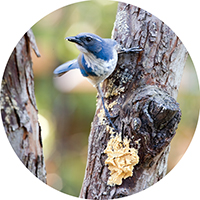
Enhancing the Avian Dining Experience
The principle of providing an "impeccable table" for birds translates into a commitment to maintaining clean feeders, ensuring a consistent supply of fresh water, and offering high-quality food options. This approach acknowledges that just as humans appreciate variety and nutritional value in their meals, birds also benefit immensely from a diverse and well-maintained food source.
The foundational offerings for a bird’s feast typically include a high-quality seed blend, a staple that caters to a broad spectrum of avian species. This can be supplemented with suet, a calorie-dense food particularly beneficial during colder months, and Nyjer® seed, a favorite of finches and other small seed-eating birds. To elevate the avian dining experience further, consider incorporating additions such as peanuts, which provide protein and fat, and specialized products like Bark Butter®, known for its high appeal to a wide range of birds. Specialty seed blends, such as the Winter SuperBlend®, are also designed to offer a comprehensive nutritional profile specifically tailored for the challenges of winter feeding.
The rationale behind offering such a varied menu is rooted in ornithological understanding. Different bird species have distinct dietary needs and foraging behaviors. For instance, woodpeckers and nuthatches are often attracted to suet and peanut-based foods, while chickadees and titmice readily consume sunflower seeds and smaller seeds. Finches, on the other hand, are particularly drawn to Nyjer® seed. By providing a diverse range of food types, individuals can attract a wider array of bird species to their feeders, transforming a simple bird feeder into a vibrant, bustling avian restaurant. This variety not only benefits the birds but also significantly enhances the observational experience for the human hosts, offering a dynamic spectacle of nature’s diversity.
The Broader Impact of Bird-Friendly Choices
Beyond the immediate act of feeding, the initiative extends to promoting conscious consumerism that has a positive ripple effect on bird conservation. A compelling example of this interconnectedness lies in the suggestion to pair one’s own Thanksgiving pie with a cup of shade-grown, bird-friendly coffee. This seemingly small act carries significant ecological weight. Shade-grown coffee farms are cultivated beneath the natural forest canopy, preserving vital habitat for a multitude of species. This practice is crucial for the survival of more than 42 species of North American migratory songbirds, which rely on these forest ecosystems to survive their winter months in the tropics.

The significance of shade-grown coffee cultivation cannot be overstated. Traditional sun-grown coffee plantations often involve clear-cutting forests, leading to habitat loss and fragmentation. This disrupts migratory patterns, reduces breeding grounds, and increases the vulnerability of bird populations to predation and environmental stressors. In contrast, shade-grown coffee farms mimic natural forest ecosystems, providing essential food sources (insects, fruits) and shelter for migratory birds during their non-breeding season. Organizations like the Smithsonian Migratory Bird Center have established rigorous certification standards for shade-grown coffee, ensuring that consumers can make informed choices that directly support bird conservation efforts.
By choosing bird-friendly coffee, consumers not only enjoy their holiday beverages but also contribute to the preservation of critical habitats for these long-distance travelers. This practice embodies the principle of "helping your birds and feasting, too," demonstrating how everyday choices can align personal enjoyment with ecological stewardship. The economic incentive for farmers to adopt shade-grown practices, often supported by premium pricing for certified beans, further solidifies the sustainability of this approach. This creates a virtuous cycle where consumer demand drives environmentally responsible agricultural practices, ultimately benefiting both biodiversity and the livelihoods of farming communities.
Timeline and Historical Context
While the specific "Feasting with Our Feathered Friends" initiative may be a contemporary concept, the practice of observing and appreciating birds has a long and rich history. Early naturalists meticulously documented avian behavior, laying the groundwork for modern ornithology. The advent of backyard bird feeding gained significant traction in the 20th century with increased leisure time, urbanization, and a growing awareness of environmental issues.
The Thanksgiving holiday itself, with its origins in the 17th century, has undergone significant evolution. The first Thanksgiving, often cited as the 1621 harvest feast shared by the Pilgrims and the Wampanoag people, was a practical demonstration of inter-cultural cooperation and resource sharing. Over centuries, it transformed into a national holiday, officially proclaimed by President Abraham Lincoln in 1863 during the Civil War, a period when national unity was paramount. The holiday’s emphasis on gratitude and communal gathering has remained a constant, even as the specific customs and societal contexts have shifted.
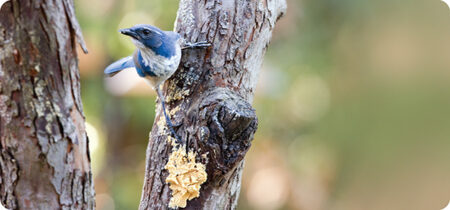
The modern bird feeding movement, bolstered by organizations like Wild Birds Unlimited founded in 1981, has further solidified the connection between human activities and avian well-being. WBU’s franchise model, now encompassing over 350 locations across the United States and Canada, reflects the widespread public interest in nature-based hobbies and conservation. The organization’s commitment to education, evident in their podcast "Nature Centered," aims to empower individuals with the knowledge to create supportive backyard habitats.
Expert Insights and Broader Implications
John James, a fictional expert from WBU, might articulate the significance of this initiative by stating, "Our backyard feeders are more than just dispensers of seed; they are vital ecological corridors, especially during periods of scarcity. By offering a diverse and high-quality ‘feast,’ we are not just indulging our own enjoyment of nature, but actively contributing to the survival and health of bird populations. It’s a tangible way to practice conservation right outside our doors."
The implications of widespread participation in such initiatives are multifaceted. Ecologically, it can lead to healthier, more robust local bird populations, particularly in urban and suburban environments where natural food sources may be limited. This can have cascading effects on insect populations and plant pollination. Socially, it fosters a deeper connection with nature, promotes intergenerational learning, and cultivates a sense of environmental responsibility. Economically, it supports businesses dedicated to nature-related products and services, including those focused on sustainable agriculture for products like bird-friendly coffee.
Furthermore, the "Feasting with Our Feathered Friends" concept aligns with broader trends in eco-tourism and citizen science. Individuals who actively engage in bird feeding and observation are often more inclined to participate in citizen science projects, such as bird counts and migratory tracking initiatives. This data is invaluable for scientific research and conservation planning. The WBU Nature Centered Podcast episode, "Feasting with Feathered Friends," further emphasizes this educational aspect, aiming to equip listeners with practical knowledge to attract a diverse array of birds and enhance their backyard habitats.

Resources and Further Engagement
For those inspired to deepen their commitment to avian well-being, several resources are available. The Cornell Lab of Ornithology, a leading institution in bird research and education, offers practical guidance through initiatives like "7 Simple Actions" to help birds. These actions often encompass habitat creation, responsible pesticide use, and providing clean water sources.
The availability of specialized products, such as those offered by Wild Birds Unlimited, provides tangible means for individuals to implement these practices. The registered trademark Nyjer® by the Wild Bird Feeding Institute signifies a commitment to quality and specific nutritional standards for birdseed.
The "Feasting with Our Feathered Friends" movement, therefore, represents more than just a seasonal promotion; it is an invitation to integrate ecological consciousness into cherished traditions. It champions the idea that gratitude can extend beyond human circles to encompass the natural world, fostering a symbiotic relationship between people and the birds that grace our landscapes. By providing an "impeccable table" for our feathered neighbors, we not only enrich their lives but also deepen our own connection to the intricate web of life that surrounds us. This proactive approach to avian well-being, coupled with conscious consumer choices, offers a powerful model for a more sustainable and harmonious coexistence with nature.
