
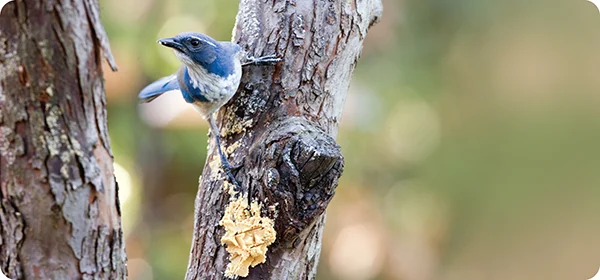
As households across North America prepare for traditional Thanksgiving gatherings complete with elaborate meals, fine china, and family reunions, wildlife conservationists and backyard hobbyists are advocating for the inclusion of a frequently overlooked demographic: local backyard birds. With festivities centering around abundance, gratitude, and community connection, experts suggest that extending holiday hospitality to avian visitors can elevate the holiday experience while providing critical nutritional support during the transition into winter. This practice of holiday bird feeding bridges human celebration with wildlife stewardship, transforming backyard observances into interactive ecological events.
The Evolution of Backyard Bird Feeding as Holiday Tradition
The custom of feeding wild birds during late autumn and winter has evolved significantly over the past century. Historically viewed merely as a casual pastime, backyard bird feeding has grown into a major North American hobby supported by a multi-million-dollar industry focused on ornithological health and habitat enhancement. According to data compiled by the U.S. Fish and Wildlife Service, tens of millions of Americans engage in wildlife watching around their homes, with backyard feeding serving as the primary point of contact between humans and native fauna.
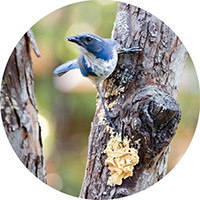
The timing of Thanksgiving aligns critically with biological shifts in avian populations. By late November, natural foraging resources—such as native seeds, late-season berries, and active insect populations—have dramatically declined due to seasonal frosts and foliage loss. Consequently, backyard feeding stations transition from supplementary sources of nutrition to vital survival mechanisms for resident and migratory species alike. Recognizing this vulnerability, wildlife organizations have increasingly emphasized the concept of treating backyard birds as extended members of the household during holiday periods, ensuring that human feasts are mirrored by well-stocked avian tables.
Curating an Avian Thanksgiving Menu
Just as human holiday menus are thoughtfully planned to offer variety and richness, catering to diverse bird species requires a strategic selection of high-energy foods. Ornithologists and habitat specialists recommend a multifaceted approach to holiday feeding menus, starting with foundational offerings and expanding into specialized delicacies designed to attract a wide array of species.
The baseline of any comprehensive feeding station typically includes quality seed blends containing millet, sunflower seeds, and cracked corn, which appeal to ground-feeding sparrows, juncos, and doves. To accommodate insectivorous and high-energy species such as woodpeckers, nuthatches, and titmice, nutritionists suggest incorporating high-fat suet cakes and mealworms. Furthermore, specialized offerings such as Nyjer® seed can attract delicate finches, while peanuts and proprietary items like Bark Butter® products provide essential lipids necessary for maintaining core body temperatures during plummeting nocturnal temperatures. Premium formulations, including targeted winter seed blends enriched with high-calorie nuts and oilseeds, ensure that visiting birds receive the concentrated caloric intake required to endure freezing weather.

Ecological Implications and Sustainable Consumer Choices
Beyond the immediate gratification of backyard wildlife observation, holiday hosting practices intersect with broader environmental conservation efforts. Industry leaders and conservation groups emphasize that consumer choices made during holiday preparations can have profound ripple effects on global ecosystems.
A prominent example of this interconnectedness involves the coffee consumed during holiday dessert courses. Conservation organizations actively promote shade-grown, bird-friendly coffee as a critical tool in migratory songbird preservation. Unlike traditional sun-grown coffee plantations—which require the clear-cutting of tropical forests and displace native wildlife—shade-grown coffee farms maintain a dense forest canopy. This structural diversity provides essential wintering habitats for more than 42 species of North American migratory songbirds, shielding them from predators and offering consistent food sources during their months away from northern breeding grounds. By consciously selecting bird-friendly coffee, holiday hosts actively participate in international conservation pipelines that safeguard fragile tropical ecosystems.
Expert Insights and Educational Outreach
To help enthusiasts maximize the ecological and recreational benefits of backyard feeding, various educational initiatives have been launched by wildlife authorities. Prominent voices in the avian care community, such as environmental podcasters and naturalists, frequently host programming dedicated to optimizing backyard habitats during seasonal transitions. These educational resources focus on identifying regional bird species, understanding seasonal dietary shifts, and maintaining sanitary feeding environments to prevent the spread of avian illnesses.
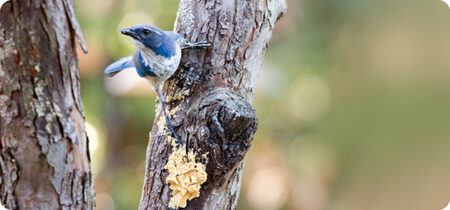
Furthermore, academic and ornithological institutions provide structured frameworks for citizen science and wildlife protection. Programs outlining essential conservation actions—ranging from window-collision mitigation to the elimination of harmful pesticides—empower citizens to extend their holiday gratitude toward the natural world through tangible, science-backed protocols. These initiatives underscore the reality that backyard bird feeding is not merely an aesthetic hobby, but an active contribution to local biodiversity management.
Broader Impact and Future Outlook
As urban development continues to fragment natural habitats across North America, the role of residential yards in supporting local wildlife becomes increasingly critical. Urban and suburban green spaces function as essential stepping stones for wildlife movement and survival. By maintaining clean feeders, providing fresh water sources, and offering nutrient-dense foods during peak holiday periods, homeowners actively mitigate the environmental pressures faced by native bird populations.
Ultimately, integrating backyard wildlife into holiday traditions fosters a deeper public appreciation for ecological stewardship. As families gather to reflect on gratitude and abundance, the vibrant activity at nearby feeding stations serves as a living reminder of the interdependence between human celebration and the natural environment. Through mindful purchasing decisions, informed menu planning, and sustained habitat support, the tradition of feasting can successfully transcend the human dining table to embrace our feathered neighbors.
