
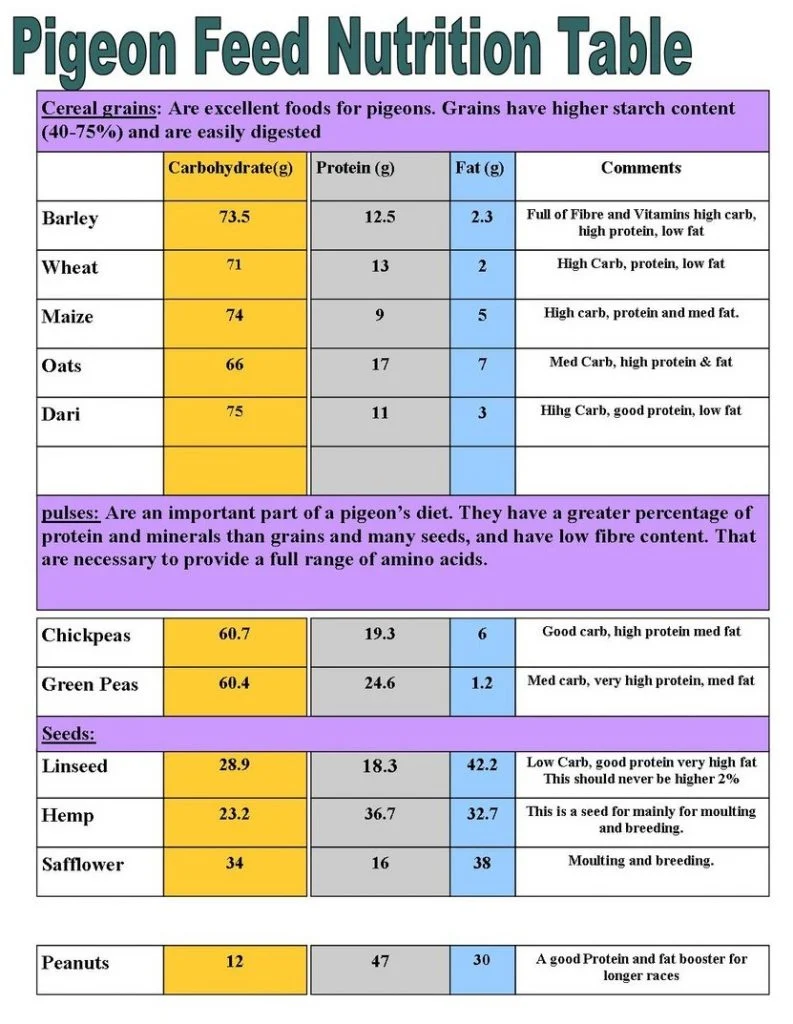
The performance of racing pigeons at the elite level is inextricably linked to the physiological management of energy reserves, a process that mirrors the high-octane requirements of professional endurance athletes. While traditional pigeon feed mixtures rely heavily on carbohydrates—specifically maize, wheat, and peas—modern competitive standards are shifting toward a more sophisticated understanding of lipid-based metabolism. When a racing pigeon takes flight, its digestive system converts complex carbohydrates into glycogen, which is stored in the liver and muscles. During exertion, this glycogen is oxidized to provide 4.1 calories of energy per gram. However, when these stores are depleted during grueling marathon races, the bird faces a critical metabolic crossroads: it must either terminate its flight or begin catabolizing its own muscle tissue to survive.
The Metabolic Science of Endurance
The depletion of glycogen reserves is a primary cause of poor returns in long-distance pigeon racing. Once the "glycogen tank" runs dry, the bird turns to the combustion of body proteins, which offer the same caloric density as carbohydrates but at the cost of muscle mass and structural integrity. In extreme instances, a bird may return to its loft having lost significant body weight, reduced to little more than a skeletal frame. This phenomenon underscores the necessity of fat-based supplementation.
From a biochemical perspective, fats are the superior fuel source for endurance. While carbohydrates and proteins yield approximately 4.1 calories per gram, lipids provide 9.3 calories per gram—a energy density 2.33 times higher than that of standard grains. By incorporating high-fat feeds prior to basketing, fanciers can ensure their birds have a sustained, high-energy fuel source that spares muscle tissue, allowing the bird to maintain its physical condition even after sustained, multi-day aerial efforts.
Chronology of Nutritional Evolution
The history of pigeon racing nutrition has undergone a clear evolution. Early 20th-century practices focused on simple grain mixtures, often resulting in inconsistent performance during marathon events. Following the Second World War, experienced handlers, such as Eduard Pape of Hamburg, began experimenting with opportunistic feeding strategies. Pape’s success, which involved utilizing high-protein, high-fat peanut supplies available at port facilities, provided early, anecdotal evidence that caloric density could be directly correlated with race results.

In the decades that followed, the industry moved from these localized experiments toward data-driven nutritional programming. UK-based researchers later confirmed that augmenting standard feeds with specific vegetable oils—such as a 5% concentration of corn oil—yields measurable improvements in athletic output. Today, the integration of oil-rich seeds, including sunflower (28% fat), linseed (34% fat), hempseed (32% fat), and rapeseed (42% fat), has become standard practice for top-tier competitors aiming to sustain form throughout an entire season.
The Strategic Role of Peanuts
Peanuts have emerged as the "first-class fuel" in the arsenal of the modern racing pigeon fancier. With a profile consisting of approximately 30% protein and a significant lipid content, peanuts are functionally superior to almost all standard cereal-based feeds. However, the management of this resource requires precision.
Because of their high caloric density, feeding protocols must be strictly controlled to prevent overconsumption. A common professional strategy involves mechanical preparation; crushing peanuts into small, uniform pieces ensures that the entire flock consumes an equal share. This mitigates the risk of "fat eaters"—dominant, aggressive birds—consuming an unequal portion of the high-energy fuel while more timid, yet potentially faster, birds receive insufficient nutrition.
Professional Feeding Protocols
The integration of peanuts into a racing calendar is not merely about energy; it serves as a multifaceted tool for management and conditioning.
- Breeding and Development: During the critical 6th to 12th day of the nestling phase, parents require high-quality nutrients to transition their young from crop milk to solid feed. Providing 5–10 grams of peanut pieces during this window has been shown to support growth and reduce reliance on less nutrient-dense grains.
- Loft Conditioning and Recall: Peanuts serve as an effective behavioral incentive. By offering these treats upon return to the loft, fanciers can build a strong, positive association that facilitates rapid trapping. This is essential during competition, where seconds lost at the loft can determine the outcome of a race.
- The Widowhood System: During the racing season, peanuts are used to increase the "love of the box" among widowers. By providing these treats individually, the handler can monitor the physical condition of each bird. A bird returning from a race in a weakened state can be given an extra portion, while those in peak condition receive smaller amounts, ensuring the entire team is brought to optimal weight before the next event.
Fact-Based Analysis of Nutritional Implications
The transition from a carbohydrate-dominant diet to a fat-augmented diet represents a paradigm shift in avian physiology. When comparing 5.7 grams of peanuts to 10 grams of a traditional grain mixture, the energy output is roughly equivalent. This allows a fancier to reduce the total volume of feed while increasing the total energy available for the race.
Furthermore, the impact on racing widowhood hens has been noted in recent field observations. By providing targeted, high-fat, high-protein supplements on the evening before and the day of basketing, handlers can ensure that hens are properly fueled for the race without the negative side effects—such as uncontrolled egg-laying or erratic behavior—that can occur when feeding is poorly managed. The ability to maintain birds in peak physical condition over a 14-week racing season is increasingly attributed to these precise, supplemental feeding interventions.
Broader Impact on the Sport
The strategic use of peanuts and high-oil seeds has transformed the competitive landscape of pigeon racing. It has forced a move away from "cleansing" or low-protein rations, which are often time-consuming to correct when a bird returns in a state of exhaustion. Instead, modern management focuses on preventative nutrition.
Fanciers who fail to recognize the necessity of lipid-heavy fuel sources for marathon races often find their birds unable to recover for the following weekend’s competition. Conversely, those who treat the pigeon as a high-performance athlete—tailoring the intake of high-density energy sources based on weather forecasts, wind direction, and the duration of the basket time—consistently achieve better results.
Ultimately, the goal of these nutritional advancements is to maximize the genetic potential of the pigeon. By utilizing scientifically supported, high-density fuels, the modern fancier is better equipped to handle the environmental and physical stressors of the sport. The peanut, while simple in form, represents a sophisticated approach to energy management, serving as a vital link between the bird’s biological requirements and the rigorous demands of modern competitive racing. As the industry continues to professionalize, the intersection of avian nutrition and athletic performance will remain the primary differentiator between moderate success and championship-level endurance.
