

The discipline of pigeon racing, often referred to as the "marathon of the skies," demands a level of physiological endurance that rivals the most grueling human athletic endeavors. To sustain flight over hundreds of miles, often against adverse weather conditions, the racing pigeon requires a meticulously balanced nutritional regimen. While traditional diets have long relied on a foundation of carbohydrates, contemporary avian nutritional science—championed by experts such as Steven Van Breemen and Dr. Meyer—increasingly emphasizes the critical role of high-fat supplements, specifically the peanut, as a primary fuel source for long-distance performance.
The Metabolic Framework of Avian Flight
At the core of a racing pigeon’s performance is its ability to convert dietary intake into kinetic energy. Traditionally, the staple diet of a racing pigeon consists of grains such as maize, wheat, and peas. These components are primarily composed of carbohydrates. Once ingested, the bird’s digestive system processes these carbohydrates into animal proteins and glycogen, which are subsequently stored in the muscles and the liver.
In the context of a race, glycogen serves as the immediate "gasoline" for the avian engine. The combustion of one gram of glycogen yields approximately 4.1 calories of energy. However, glycogen stores are finite. When a bird is subjected to the rigors of a marathon race and its "glycogen tank" runs dry, the physiological consequences are dire. Without an alternative fuel source, the pigeon’s metabolism begins to catabolize its own body proteins—essentially burning its own muscle tissue to stay airborne. This process also yields 4.1 calories per gram but results in a bird returning to the loft in a state of physical emaciation, often described as "nothing but feathers and bones."
Lipids as High-Octane Fuel
To prevent the degradation of muscle tissue, sports nutrition for pigeons has shifted toward the utilization of fats (lipids). The metabolic advantage of fat over carbohydrates is significant: one gram of fat provides 9.3 calories, which is 2.33 times the energy density of carbohydrates or proteins. By providing a diet rich in fats prior to basketing (the process of placing birds in transport for a race), fanciers can ensure that their birds have a "high-octane" reserve.
This nutritional strategy allows the pigeon to maintain its physical "form" and body weight throughout the duration of a flight. Instead of arriving home depleted, birds fueled by fats tend to return in excellent condition, maintaining their muscular roundness. Research conducted in the United Kingdom has further validated this approach, demonstrating that performance levels significantly improve when feed is supplemented with high-fat additives, such as a 5% concentration of corn oil.
Comparative Fat Content in Traditional Seed Mixes
Fanciers looking to increase the lipid caloric intake of their flock often look toward oil-rich seeds. The following data highlights the fat content of various seeds commonly used in the industry:

- Maize: 4% fat
- Rolled Oats: 7% fat
- Sunflower Seeds: 28% fat
- Hempseed: 32% fat
- Linseed: 34% fat
- Rapeseed: 42% fat
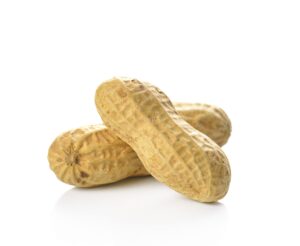
While these seeds are vital components of a marathon racing diet, the peanut has emerged as a particularly effective "first-class fuel." With a protein content of 30%—surpassed only by the soybean—and an exceptionally high fat profile, the peanut serves as a dense energy pack that can radically alter a bird’s racing trajectory.
The Peanut: Nutritional Profile and Historical Success
The use of peanuts in pigeon racing is not merely a modern trend but is rooted in historical success stories. One notable account involves Eduard Pape, a laborer at the Port of Hamburg in the post-World War II era. Working at the oil mills where peanuts were unloaded, Pape began feeding his pigeons exclusively on peanuts, as they were a readily available and cost-effective resource at the time. Despite the simplicity of the diet, his birds achieved extraordinary results in difficult races.
The nutritional efficiency of the peanut is remarkable: 5.7 grams of peanuts provide the equivalent energy value of 10 grams of a standard grain mixture. This efficiency allows fanciers to potentially reduce total feed volume while maintaining or increasing the energy available to the bird.
Practical Application in the Loft: Taming and Trapping
Beyond their caloric value, peanuts serve a secondary, psychological purpose in loft management. Because pigeons find peanuts highly palatable, they are an ideal tool for taming birds. Even the most timid pigeons can be conditioned to eat from a fancier’s hand when offered peanut halves.
This palatability is particularly useful during "trapping"—the moment a pigeon returns from a race and must enter the loft quickly to register its time. A bird that associates the loft with the reward of a peanut is far more likely to trap instantly, potentially saving the precious seconds that separate a win from a loss. Smart loft management involves keeping a handful of peanuts in one’s pocket to reinforce the bond between the bird and the fancier, ensuring the birds remain calm and motivated.
Developmental Benefits for Squabs
The nutritional composition of a peanut—high in both fat and protein—closely mirrors that of "crop milk," the substance produced by parent pigeons to feed their young (squabs). Between the sixth and twelfth day of a squab’s life, they transition from crop milk to solid feed. Introducing peanut pieces during this window provides the necessary dense nutrients required for rapid growth and robust development.
Dr. Meyer, a proponent of this method, recommends providing 5 to 10 grams of peanut pieces directly in the breeding loft during this transition period. This ensures that the young birds receive a high-protein, high-fat start, which is essential for developing the strong skeletal and muscular structures required for future racing.
Strategic Feeding for the Widowhood System
In the "widowhood" system—a popular racing method where mates are separated to increase their motivation to return home—peanuts play a tactical role. For widowers (the racing males), the promise of peanuts in their individual feeders increases their attachment to their nest boxes.
The feeding schedule is typically adjusted throughout the week:
- Early Week: Peanuts are given sparingly, often as a reward for exercise.
- Late Week: As the day of basketing approaches, the peanut ration is gradually increased to "load" the bird’s energy reserves.
- Basketing Day: For races involving two nights in the basket, birds may be given as many peanuts as they desire in the afternoon. This ensures they have a 48-hour energy reserve, preventing them from seeking inferior food sources (like field corn) during transport.
For racing hens, the application is even more nuanced. Hens are typically fed fewer peanuts than cocks to prevent them from becoming overly "amorous" or entering a reproductive cycle (laying eggs), which would end their racing season. However, increasing their peanut intake on the day of basketing provides them with the energy needed to compete at high speeds, often outperforming the males in difficult conditions.
Weather-Contingent Nutritional Adjustments
A sophisticated racing strategy requires the fancier to monitor weather forecasts and adjust the birds’ "fuel" accordingly. The impact of wind resistance on a pigeon’s energy expenditure is profound.
- Headwinds: When a race is expected to be grueling due to headwinds, the caloric demand increases. In these instances, all participants are given an extra portion of peanuts to ensure they do not deplete their muscle mass during the struggle.
- Tailwinds: In "fast" races where birds are aided by a tailwind, the energy requirement is lower. Overfeeding high-fat peanuts in these conditions can lead to excess weight, which may actually hinder the bird’s speed. Consequently, peanuts are fed more sparingly.
Implications for the Sport and Avian Welfare
The move toward high-fat, peanut-supplemented diets represents a broader trend in pigeon racing: the professionalization of avian sports medicine. By focusing on the metabolic needs of the bird, fanciers are not only improving race times but are also enhancing the welfare of the animals. A bird that returns from a 500-mile race with its muscle mass intact is a bird that will recover faster and have a longer, healthier racing career.
While peanuts are a more expensive feed option compared to traditional maize or wheat, the consensus among elite fanciers is that the investment pays dividends in performance and recovery. As the sport continues to evolve, the integration of specific lipids like those found in peanuts remains a cornerstone of successful long-distance racing strategy. The "Formula-1" approach to fueling—matching the energy density of the feed to the intensity of the race—is now the gold standard for those seeking to reach the top of the podium.
