
The Bioenergetics of Avian Flight
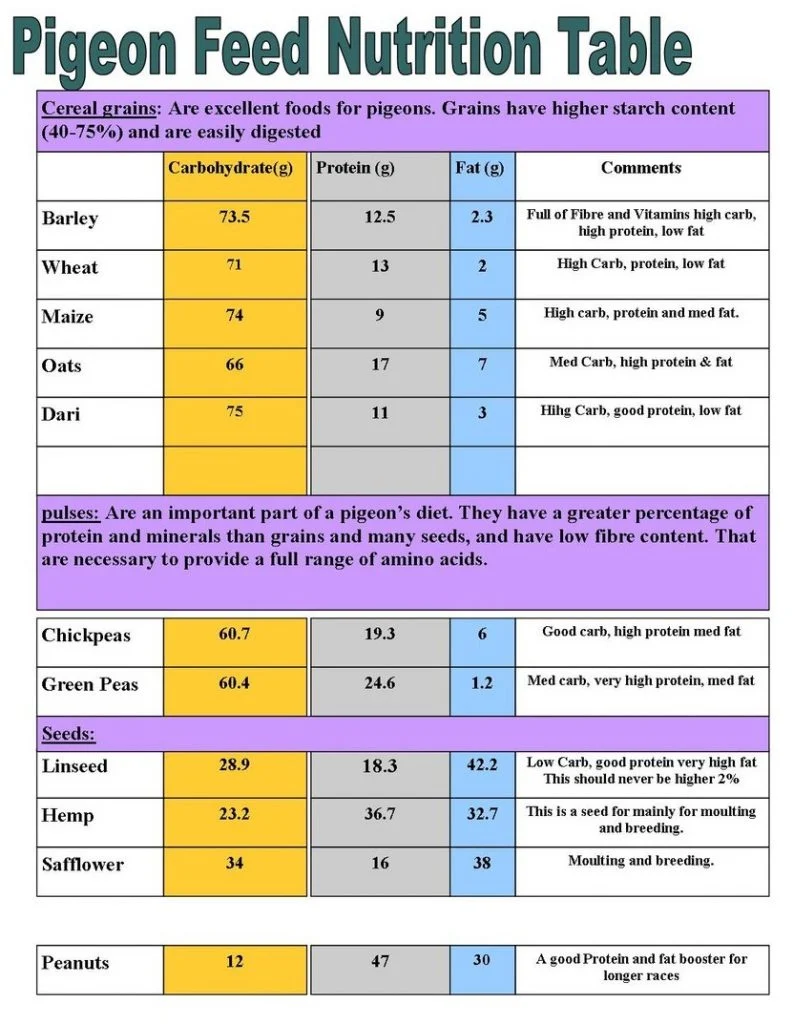
The primary fuel source for a racing pigeon is glycogen, synthesized from carbohydrates found in maize, wheat, and peas. During the metabolic process, these carbohydrates are converted into animal proteins and stored as glycogen in the liver and muscles. The oxidation of one gram of glycogen yields approximately 4.1 calories of energy. When a pigeon is in flight, this stored glycogen is metabolized to power muscular contractions, functioning similarly to the combustion of gasoline in an internal combustion engine.
The physiological challenge occurs when a bird’s glycogen reserves are depleted before it reaches its home loft. Under these conditions, the pigeon enters a catabolic state, beginning to break down its own structural proteins to sustain flight. This process, which also yields 4.1 calories per gram, results in significant muscle atrophy and rapid weight loss. In extreme marathon races, birds that rely solely on protein combustion may return to their lofts in a state of physical depletion, often described by fanciers as "feathers and bones."
Fat as a High-Octane Alternative
The shift toward fat-based supplementation marks a significant advancement in pigeon nutrition. Unlike carbohydrates and proteins, fats are highly dense energy sources, providing 9.3 calories per gram—more than double the energy density of standard grain-based fuel. By increasing the lipid content of a pigeon’s diet before a race, fanciers can effectively "top off the tank" with a more efficient, long-burning fuel.
Historical analysis and modern observations suggest that birds fed a high-fat diet prior to long-distance events are more likely to return in excellent physical condition. Because fat provides 2.33 times the energy output of carbohydrates, the bird requires a smaller volume of intake to sustain the same level of exertion. This is akin to replacing standard fuel in a high-performance vehicle with racing-grade additives, allowing for increased endurance without the added weight of excess food volume.

Strategic Supplementation: The Role of Peanuts
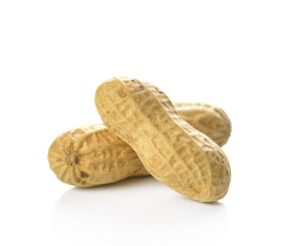
Peanuts (Arachis hypogaea) have emerged as the gold standard for high-fat supplementation among elite fanciers. With a composition rich in both healthy fats and approximately 30% protein, the peanut serves as a multifunctional dietary tool. Its chemical profile bears a striking resemblance to the "crop milk" produced by parent birds, making it an ideal energy source for both racing adults and developing squabs.
Timeline of Dietary Integration
- Winter Maintenance: The initial introduction of peanuts occurs during the winter months, allowing the birds to adapt to the new feed texture and flavor profile.
- Breeding Cycle: During the critical 6th to 12th day of a chick’s life, when they transition from soft crop milk to solid feed, supplementation with crushed peanuts assists parents in maintaining their own body condition while providing high-quality nutrition to the nestlings.
- Racing Season: During the competitive season, peanuts are used as both a nutritional supplement and a behavioral reinforcement tool.
Behavioral and Psychological Implications
Beyond pure energy, the use of peanuts serves as an effective behavioral conditioning tool. Experienced fanciers, such as the late Eduard Pape, have noted that because peanuts are highly palatable, they can be used to foster a stronger bond between the bird and the handler. This "taming" effect is particularly useful for young birds, as it encourages them to return to the loft quickly to receive their reward.
Furthermore, the act of hand-feeding allows for individualized nutrition. In a group setting, dominant birds often consume a disproportionate amount of food, while more timid, potentially faster, racers may receive less. By manually feeding broken peanut pieces, the fancier ensures that every bird, regardless of its social standing within the flock, receives an equal and adequate portion. This method also allows for the tactical adjustment of caloric intake based on a specific bird’s performance in previous races or its current physical condition.
Comparative Nutritional Data
| Feed Source | Fat Content (%) | Energy Value (Calories/g) |
|---|---|---|
| Maize | 4% | 4.1 |
| Rolled Oats | 7% | 4.1 |
| Sunflower Seeds | 28% | 9.3 |
| Hempseed | 32% | 9.3 |
| Linseed | 34% | 9.3 |
| Rapeseed | 42% | 9.3 |
| Peanuts | ~50% | 9.3+ |
Note: Energy values for fats are generalized based on lipid density; protein values for peanuts contribute significantly to tissue repair.
Scientific Validation and Expert Consensus
Research conducted in the United Kingdom has demonstrated a correlation between high-fat diets—specifically those supplemented with 5% corn oil—and improved racing performance. The physiological rationale is clear: when a bird is provided with a dense energy source, it maintains its body weight and muscular integrity under the stress of head winds or extreme distances.
Dr. Meyer, a noted authority in the field, emphasizes the importance of timing. For races requiring two nights in a basket, he advocates for a carbohydrate-rich diet in the morning to stabilize blood sugar, followed by a high-fat peanut meal in the early afternoon. This ensures that the birds are fully fueled for the duration of the journey without overtaxing their digestive systems. He notes that this method effectively replaces the need for excessive grain consumption, preventing the "snacking" behavior that can lead to digestive imbalance.
Broader Impact on the Sport
The implementation of these nutritional strategies has fundamentally changed how marathon races are managed. No longer viewed simply as a test of raw speed, these events are now recognized as a complex interplay of genetics, training, and precision feeding. The ability to keep a bird in top form throughout a 14-week season, as Dr. Meyer has demonstrated, relies heavily on preventing the "burnout" associated with protein-depletion cycles.
By using peanuts as a strategic tool rather than a constant staple, fanciers can optimize their birds’ metabolic efficiency. The cost-benefit analysis suggests that while peanuts are a more expensive feed option compared to standard grain mixtures, the increase in performance, the retention of body weight, and the improved recovery times offer a significant competitive advantage.
Conclusion: The Future of Avian Performance
The evolution of pigeon nutrition highlights a broader trend in animal husbandry: the move toward evidence-based feeding practices that account for the specific energy demands of the athlete. As more fanciers move away from "bulk feeding" and toward individualized, high-energy, and strategically timed nutritional plans, the standards for success in competitive pigeon racing continue to rise. Through the judicious use of fat-dense foods like peanuts, the modern racing pigeon is better equipped than ever to navigate the immense physical challenges of the sport, ensuring that they return not only faster but in peak health.
