
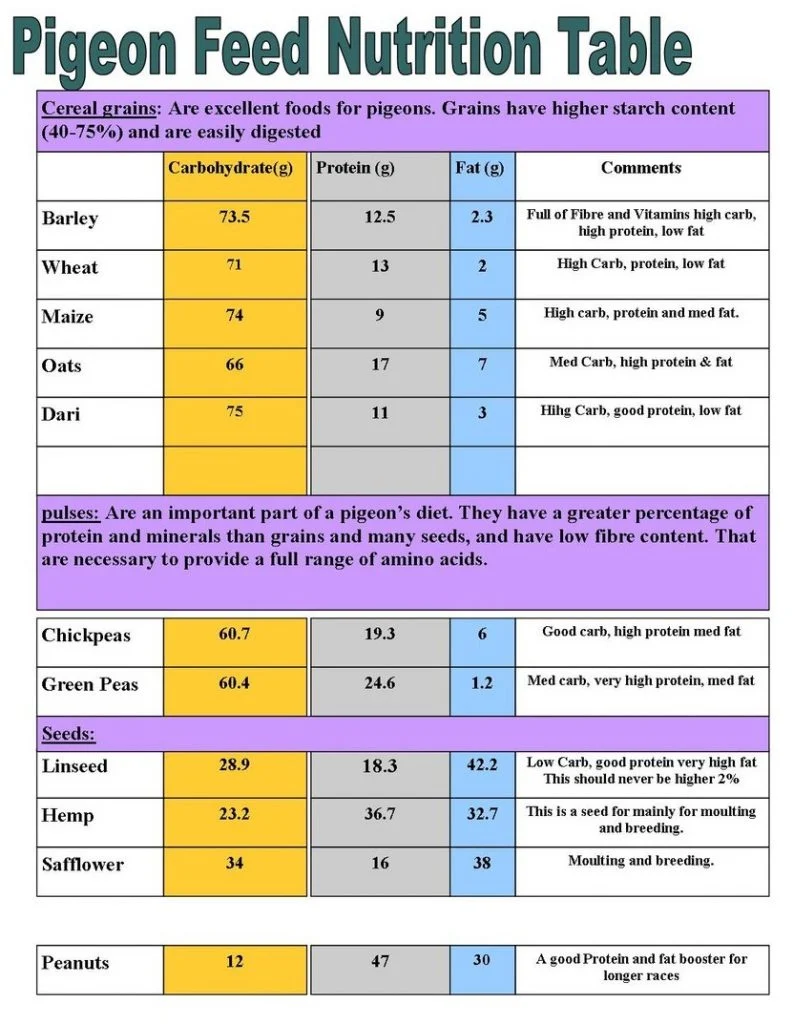
As professional pigeon racing evolves into a discipline of precision science, the role of nutrition has shifted from basic maintenance to high-performance fuel engineering. While carbohydrates—sourced from maize, wheat, and peas—remain the primary energy foundation, elite competitors are increasingly turning to high-fat supplementation to meet the extreme caloric demands of long-distance marathons. Understanding the physiological conversion of these nutrients is essential for any serious fancier aiming to sustain their birds through grueling competitive events.
The Physiology of Avian Energy Conversion
The metabolic process within a racing pigeon is remarkably similar to the mechanics of an internal combustion engine. Under standard flight conditions, the pigeon’s digestive system processes complex carbohydrates into glucose, which is then synthesized into glycogen. This glycogen is stored primarily in the liver and muscles, serving as the bird’s "fuel tank." During flight, the combustion of one gram of glycogen yields approximately 4.1 calories of energy.
The critical failure point occurs when these glycogen stores are exhausted before the pigeon reaches its loft. In such instances, the body shifts to catabolizing its own muscle proteins to bridge the energy deficit. This process is highly inefficient and detrimental to the bird’s long-term health. When a pigeon is forced to burn its own protein, it undergoes rapid weight loss and muscle atrophy. In extreme cases, the bird may return to the loft in a state of exhaustion, possessing little more than bone and feather, effectively ending its competitive season due to the physiological damage incurred.
The Case for High-Fat Supplementation
The introduction of high-fat feeds provides a superior alternative to traditional carbohydrate-heavy diets. Fats are significantly more energy-dense than either carbohydrates or proteins; one gram of fat provides approximately 9.3 calories, more than double the energy density of glycogen. By supplementing with high-fat sources, fanciers can ensure that their pigeons possess an energy reserve that is both more efficient and more sustainable.
From a performance standpoint, this is akin to switching a racing vehicle from standard gasoline to high-octane performance fuel. When fat is available as a primary fuel source during marathon races, the bird avoids the need to break down muscle tissue. Consequently, the pigeon returns in peak physical condition, maintaining its weight and muscular integrity. Furthermore, because of the higher caloric density of fat, the bird requires a lower volume of feed to achieve the same energy output, reducing the digestive load during the pre-race period.

Nutritional Strategy and Seasonal Application
Fanciers often utilize specific seeds to increase fat intake during the racing season. Maize (4% fat) and rolled oats (7% fat) are common initial adjustments. However, as the season progresses into the more demanding marathon races, many professionals incorporate high-oil seeds:
- Sunflower seeds: 28% fat
- Hempseed: 32% fat
- Linseed: 34% fat
- Rapeseed: 42% fat
These seeds are not merely supplemental treats; they are performance enhancers. Research conducted in the United Kingdom has validated this approach, demonstrating that incorporating 5% corn oil into a pigeon’s feed mixture significantly enhances overall flight performance. This nutritional strategy acts as a critical buffer, helping the birds maintain their form under the extreme environmental pressures of long-distance flight.
The Role of the Peanut as a Super-Fuel
Among high-fat supplements, the peanut stands out as a first-class fuel source for the racing pigeon. Peanuts are characterized by their high energy density; specifically, 5.7 grams of peanuts provide an energy value equivalent to 10 grams of standard grain mixtures. This makes them an exceptionally efficient tool for weight management and energy loading.
Historically, the efficacy of an all-peanut diet was observed in post-war Europe, where limited resources led some fanciers to experiment with singular feed sources. While not recommended as a total replacement for a balanced diet, these historical precedents highlighted that pigeons could maintain high performance on a diet dominated by peanuts, provided they were not overfed. Today, the modern application of peanuts focuses on their role in behavioral conditioning and individual health monitoring.
Behavioral Conditioning and Loft Management
Beyond their caloric value, peanuts serve as a vital tool for fostering a close relationship between the fancier and the bird. By using peanuts as a high-value reward, trainers can instill a strong "homing" instinct and improve the speed at which birds enter the loft upon return from a race.
Dr. Meyer, a noted authority in the field, suggests that the physical preparation of peanuts is just as important as the feeding itself. To ensure equal distribution among the flock—preventing aggressive birds from consuming the lion’s share—peanuts should be cracked into smaller pieces. This ensures that even the most timid, yet potentially high-performing, racers receive their fair share of the supplement.
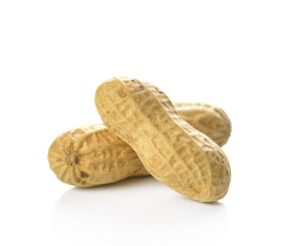
The use of peanuts is particularly critical during the breeding cycle. Between the 6th and 12th day of development, young pigeons transition from crop milk to solid feed. Providing parents with 5-10 grams of crushed peanuts during this window has been shown to improve the growth rate and overall vigor of the nestlings, especially for parents that struggle with the standard feeding process.
Strategic Feeding During the Racing Calendar
The application of high-fat treats must be periodized based on the racing schedule. During the early part of the week, widowers receive peanuts sparingly to avoid excessive weight gain. As the race day approaches, the ration is systematically increased to ensure the bird is "fueled up" for the mission.
For races requiring an overnight stay in the basket, the strategy shifts. The birds are fed carbohydrates in the morning to stabilize blood sugar, followed by an afternoon ration of peanuts. Because of the high caloric density of the nuts, this serves as an effective "loading" method, allowing the bird to sustain itself throughout the transport period without the need for constant access to additional feed.
Furthermore, the strategic use of peanuts can mitigate behavioral issues in the loft. For widowhood hens, controlled feeding of peanuts can reinforce nesting instincts and reduce erratic behavior, such as the laying of unfertilized eggs or territorial disputes with other hens. By ensuring the birds are satiated and focused on their individual boxes, the fancier creates a more stable, competitive environment.
Implications for the Future of the Sport
The transition toward evidence-based nutritional management represents a significant leap forward for the sport of pigeon racing. By viewing the pigeon not just as an animal, but as a biological athlete with specific fuel requirements, fanciers are achieving more consistent results and higher welfare standards for their birds.
However, the high cost of premium supplements like peanuts necessitates a disciplined approach. The goal is not to replace traditional feed, but to supplement it strategically. Fanciers who master the timing and quantity of high-energy inputs—adjusting for head winds, tail winds, and the duration of the flight—will inevitably see a marked improvement in their race statistics. As research continues to refine our understanding of avian metabolism, the gap between traditional methods and scientific precision will continue to close, setting a new benchmark for competitive success.
