

The Biochemistry of Avian Flight: From Glycogen to Muscle Depletion
The primary dietary component for the average racing pigeon has traditionally consisted of carbohydrates derived from cereal grains such as maize, wheat, and peas. The pigeon’s digestive system is highly efficient at converting these complex carbohydrates into animal proteins and glycogen. This glycogen is subsequently stored in the liver and the pectoral muscles, serving as the bird’s primary "fuel tank" for immediate energy.
During the initial stages of a race, the pigeon’s metabolism converts stored glycogen into energy to power the rapid, rhythmic beating of its wings. Scientifically, the combustion of one gram of glycogen yields approximately 4.1 calories of energy. However, this energy source is finite. For marathon races or events characterized by grueling headwinds, a pigeon may exhaust its glycogen reserves before reaching the loft.
When the "glycogen tank" runs dry, the biological imperative for survival forces the bird to enter a state of catabolism. In this state, the body begins burning its own structural proteins—essentially consuming its own muscle tissue—to maintain flight. While protein provides the same 4.1 calories per gram as glycogen, the cost to the bird is devastating. Pigeons returning from extreme races in this condition are often described as "feathers and bones," having sacrificed their physical form to complete the journey. The recovery period for a bird that has reached this level of depletion is extensive, often sidelining them for the remainder of the racing season.
The Lipid Advantage: High-Octane Fuel for Marathon Racing
To mitigate the risks of muscle wasting and to enhance endurance, nutritional experts advocate for a diet higher in fats (lipids). The mathematical advantage of fat over carbohydrates is significant: one gram of fat provides 9.3 calories, which is 2.33 times the energy density of carbohydrates or proteins. This makes fat the "high-octane" fuel of the avian world, comparable to the specialized fuels used in Formula-1 racing.
By providing a diet rich in fats before a race, fanciers can ensure that their birds have a secondary, more efficient energy source to tap into once glycogen levels begin to dip. A bird fueled by fat is less likely to resort to burning muscle tissue, allowing it to return to the loft "round" and in excellent physical condition. This not only improves the bird’s welfare but also ensures it can be basketed for subsequent races with minimal downtime.
Comparative Analysis of Oil-Rich Seeds
While standard racing mixtures are often low in fat, savvy fanciers supplement their birds’ diets with specific seeds to boost lipid intake. The following data highlights the fat content of common supplements:

- Maize: 4% fat
- Rolled Oats: 7% fat
- Sunflower Seeds: 28% fat
- Hempseed: 32% fat
- Linseed: 34% fat
- Rapeseed: 42% fat
Research conducted in the United Kingdom has further validated these findings, demonstrating that performance significantly improves when feed is supplemented with high-fat oils, such as corn oil, at a concentration of approximately 5%. However, among all potential supplements, the peanut stands out as a premier fuel source for the racing pigeon’s engine.
The Peanut: A First-Class Nutritional Powerhouse
The peanut is not merely a treat; it is a dense nutritional package that offers a unique balance of fat and protein. With a protein content of approximately 30%, it is second only to the soybean in terms of protein density, while simultaneously offering high levels of energy-rich fats.
Historically, the efficacy of a peanut-centric diet was demonstrated by figures such as Eduard Pape of Hamburg. In the post-World War II era, Pape, a dockworker who had access to surplus peanuts from oil mills, raised and raced his pigeons almost exclusively on this nut. Despite the unconventional diet, his birds achieved legendary status in difficult races, proving that when managed correctly, the energy density of the peanut can provide a significant competitive edge.
From a management perspective, 5.7 grams of peanuts provide the same energy value as 10 grams of a standard grain mixture. This allows fanciers to provide more energy in a smaller volume of food, which is particularly beneficial when birds are being prepared for the basket and need to maintain a light but energy-dense physical state.
Strategic Integration and Loft Management
Integrating peanuts into a loft’s regimen requires a tactical approach. Because pigeons are creatures of habit, they may initially be hesitant to consume peanuts. Experts suggest introducing them during the winter months to allow the birds to acclimate to the taste and texture. Once familiarized, pigeons often develop a strong preference for peanuts, which can be leveraged for behavioral training.
Dr. Meyer, a noted authority on the subject, emphasizes the importance of fair distribution within the loft. He recommends crushing peanuts into smaller pieces (three or four parts) rather than feeding them whole. This prevents the more aggressive, "fast-eating" birds from consuming all the treats before the more reserved, often more capable, racers can get their share.
Behavioral Benefits: Taming and Trapping
Beyond nutrition, peanuts serve as a powerful psychological tool. The high palatability of peanuts makes them an ideal reward for taming birds. A fancier who carries peanuts in their pocket can quickly build a bond of trust with their flock, turning even the most timid birds into "hand-tame" companions.
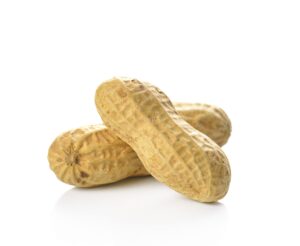
This bond is critical during the racing season. Pigeons trained to associate the loft and the fancier with the reward of peanuts are much more likely to "trap" (enter the loft) quickly upon returning from a race. In a sport where seconds matter, a bird that hesitates on the landing board can lose a race that it has effectively already won in the air.
Nutritional Support for Breeding and Development
The benefits of a high-fat, high-protein diet extend to the breeding loft. The nutritional profile of a peanut—consisting primarily of fat and protein—closely mirrors that of "crop milk," the substance produced by parent pigeons to feed their young.
Dr. Meyer suggests providing 5 to 10 grams of crushed peanuts to breeding pairs, particularly between the sixth and twelfth day of a youngster’s life. This is the critical period when squabs transition from crop milk to solid "rough" feed. The energy density of the peanuts ensures rapid growth and robust development, giving the next generation of racers a head start in physical conditioning.
Tactical Feeding for Racing and Weather Conditions
A professional racing strategy must account for environmental variables, specifically wind speed and direction. The feeding of peanuts should be adjusted based on the meteorological forecast:
- Headwinds: If a race is expected to be a "grind" against the wind, birds require maximum energy reserves. Fanciers should be generous with peanut portions in the days leading up to basketing to ensure the birds have the stamina to endure a long flight.
- Tailwinds: In fast races where the wind is at the birds’ backs, excess weight can be a disadvantage. In these scenarios, peanuts should be fed sparingly to keep the birds lean and aerodynamic.
- Two-Night Basketings: For long-distance races where birds spend two nights in the transport crate, a specific protocol is recommended. Grains (carbohydrates) should be fed in the morning for immediate satiety, followed by a hearty portion of peanuts in the early afternoon. This "double-loading" provides enough energy to sustain the bird through the duration of the transport and the subsequent race.
Impact on Widower and Widowhood Systems
The use of peanuts is also instrumental in managing "widowers" (male racers) and "widows" (female racers). For widowers, the peanut acts as a "box treat," reinforcing their love for their nesting territory. This psychological attachment increases their motivation to return home as quickly as possible.
For widowhood hens, the strategy is slightly different. While they are often fed less than the males to prevent them from becoming too "amorous" or laying eggs, a small portion of peanuts on the day of basketing ensures they have the energy required for the race without compromising their lean condition. This method has proven successful in maintaining female racers’ focus and performance over a grueling 14-week season without the typical issues of "lesbian" behavior or premature egg-laying.
Conclusion: The Future of Avian Performance Nutrition
The integration of high-fat supplements like peanuts represents a sophisticated evolution in the hobby of pigeon racing. By moving beyond simple grain mixtures and embracing the biochemical realities of avian metabolism, fanciers can improve both the performance and the welfare of their birds. The transition from burning muscle to burning fat is not just a nutritional shift; it is a strategic imperative for any fancier looking to compete at the highest levels of the sport. As research continues to highlight the importance of lipid-based energy systems, the humble peanut remains a primary, cost-effective, and highly efficient tool in the quest for racing excellence.
