
In the high-stakes world of pigeon racing, where birds are expected to navigate hundreds of miles under grueling atmospheric conditions, the physiological demands placed upon them are comparable to those of professional human athletes or high-performance internal combustion engines. For decades, the industry standard for racing pigeons has relied heavily on carbohydrates—maize, wheat, and peas—which the bird’s metabolic system converts into glycogen. Stored within the liver and muscle tissues, glycogen serves as the primary fuel source for initial flight. However, the limitation of a glycogen-based energy system is its finite capacity; once these stores are depleted during long-distance or marathon races, the bird’s body is forced into a catabolic state, beginning the hazardous process of consuming its own muscle proteins to sustain flight.
The Metabolic Shift: Why Lipids Outperform Carbohydrates
The physiological reality of avian endurance is defined by the energy density of the fuel provided. Carbohydrates and proteins provide approximately 4.1 calories per gram upon combustion. In contrast, dietary fats—or lipids—offer a significantly higher energy yield of approximately 9.3 calories per gram. This means that a pigeon utilizing fat stores for energy during a race is operating with more than double the fuel efficiency of a bird reliant solely on glycogen.
When a bird runs out of glycogen and shifts to burning muscle protein, it loses weight rapidly and arrives at the loft in a catabolic state, often suffering from muscle atrophy. This "feathers and bones" phenomenon is the direct result of a nutritional deficit that can be mitigated through the strategic introduction of high-fat seeds and nuts. By providing a fuel source that allows for sustained aerobic activity without sacrificing structural muscle mass, fanciers can ensure their birds maintain their competitive condition, regardless of the race’s difficulty.
Chronology and Evolution of Nutritional Strategy
Historically, the evolution of pigeon feed has moved from basic grain mixtures toward specialized, nutrient-dense additives. In the post-war era, pioneers like Eduard Pape of Hamburg recognized the untapped potential of peanuts as a primary energy source. Working at the port, Pape discovered that his birds could maintain exceptional racing form on a diet almost exclusively derived from peanuts. His success, particularly in long-distance events, served as an early, anecdotal validation of high-fat, high-protein dietary regimes.

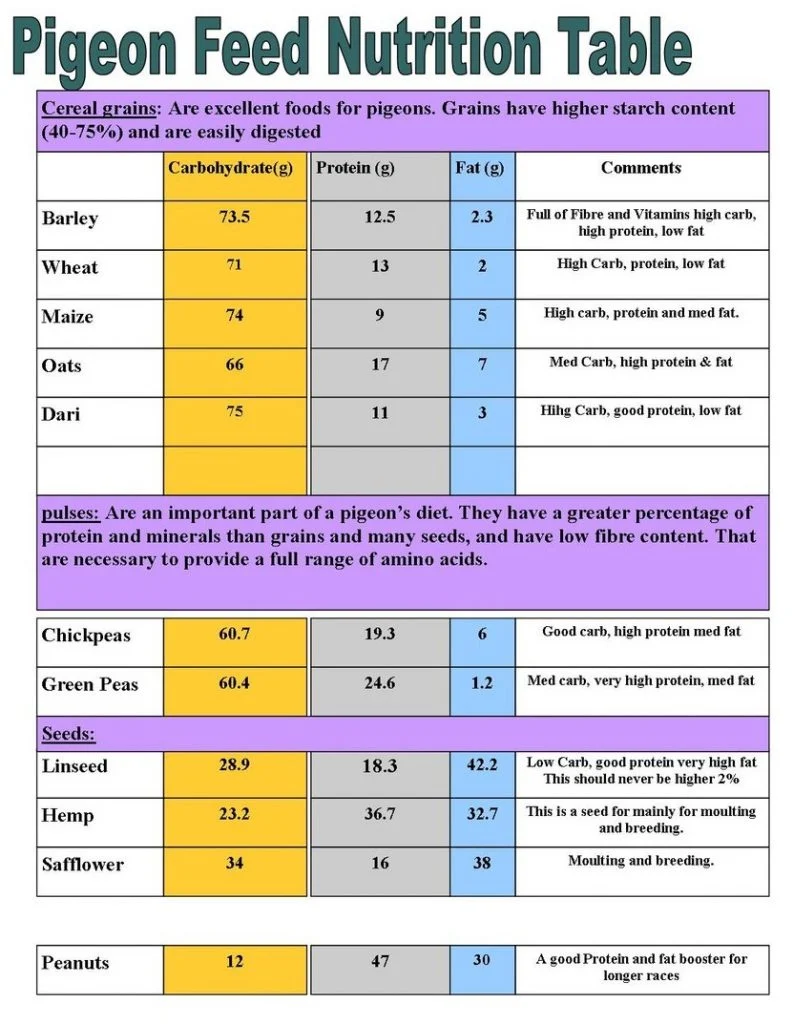
Following these early observations, modern research in the United Kingdom and across Europe has quantified the performance benefits of fat supplementation. Studies focused on adding 5% corn oil to standard feed mixtures have consistently demonstrated improved recovery times and increased endurance during competitive flights. This data has led to the widespread adoption of oil-rich seeds in the lead-up to the season’s most taxing marathon races. Ingredients such as linseed (34% fat), hempseed (32% fat), and rapeseed (42% fat) have moved from being considered "treats" to essential components of a professional racing diet.
The Role of the Peanut as a Super-Fuel
The peanut has emerged as the industry gold standard for high-density avian fuel. Boasting a 30% protein content and an exceptionally high fat profile, the peanut serves two distinct functions: metabolic fueling and behavioral conditioning.
From a nutritional standpoint, the energy density of the peanut is such that 5.7 grams of the nut provides the equivalent energy of 10 grams of standard grain mixtures. This allows for a significant reduction in the volume of food required to achieve the same caloric output, a critical factor when managing a bird’s weight during a racing cycle. Furthermore, the amino acid profile of the peanut closely mirrors that of "crop milk," the substance produced by parent pigeons to feed their young. This makes peanuts an ideal nutritional bridge for young birds transitioning from soft food to solid grains.
Best Practices for Nutritional Implementation
Professional management of these resources requires precision. Experts such as Dr. Meyer have pioneered methods to maximize the efficacy of peanut distribution:
- Mechanical Preparation: Feeding whole peanuts can lead to unfair distribution within a flock, as dominant, "fat-eating" birds may consume a disproportionate share. By mechanically cracking or breaking peanuts into smaller pieces, fanciers ensure that all birds receive an equal portion, preventing nutritional imbalances within the loft.
- Behavioral Conditioning: Beyond nutrition, peanuts are a primary tool for "calling in" birds. Because of their high palatability, they create a strong incentive for birds to return to the loft immediately upon finishing a race. This Pavlovian response is vital in races where seconds determine the difference between a victory and a loss.
- Targeted Feeding Cycles: Nutritional needs fluctuate throughout the week. During the early part of the racing week, intake may be restricted to maintain weight, with amounts gradually increasing as the date of the race approaches. For races involving extended time in the basket, high-carbohydrate grains are prioritized in the morning, followed by high-fat peanut supplementation in the afternoon to provide a "long-burn" energy source for the journey.
Broader Implications and Performance Analytics
The move toward lipid-based diets represents a shift in the philosophy of pigeon racing. Rather than viewing the bird as a static biological entity, modern racing teams view them as highly adaptive athletes whose performance is directly linked to the quality and density of their caloric intake.
The implications for the industry are significant. By prioritizing fat-rich diets, owners can prevent the common pitfalls of weight loss and muscle fatigue that plague poorly managed birds. Moreover, the use of peanuts to foster a stronger bond between the bird and the handler—"taming" the birds through individual feeding—enhances the bird’s willingness to perform. A bird that trusts its handler and associates the loft with high-value rewards is consistently more reliable in high-stress, long-distance environments.
Data-driven approaches also allow for the adjustment of diets based on weather forecasts. When head winds are predicted, the increased energy requirements are met with higher lipid portions. Conversely, tail winds allow for more conservative feeding to prevent excessive weight gain. This granular control over the bird’s physiology is what separates top-tier competitors from the rest of the field.
Conclusion
The science of pigeon nutrition has advanced far beyond simple grain-based feeding. The integration of high-fat, high-protein sources—most notably the peanut—has revolutionized the way birds are prepared for the physical demands of modern racing. By understanding the metabolic pathways that govern glycogen versus lipid combustion, and by employing precise feeding strategies to manage both physical condition and behavioral responses, today’s fanciers are able to push their birds to unprecedented levels of performance. As the industry continues to refine these techniques, the focus will undoubtedly remain on the synergy between professional animal husbandry and the rigorous application of nutritional science. Through such diligence, the racing pigeon continues to prove itself as one of the most resilient and capable endurance athletes in the avian world.
