

As Mother’s Day approaches, a unique and surprisingly beneficial gift idea for mothers everywhere is emerging from the world of ornithology and backyard ecosystems: bugs. While the suggestion might initially elicit a double-take, experts and enthusiasts alike are highlighting the profound connection between insect availability and the well-being of avian populations, a connection that can directly translate into enhanced enjoyment for bird-loving mothers. This article delves into why offering "bugs for birds" is not merely a whimsical notion but a practical and rewarding approach to celebrating mothers and fostering vibrant backyard habitats.
The premise is straightforward yet scientifically grounded: birds, particularly during the crucial nesting season, rely heavily on insects as a primary food source for their young. Providing environments that support insect populations and offering supplementary insect-based foods can significantly boost bird health, reproductive success, and the diversity of species visiting a yard. This, in turn, offers mothers the unparalleled joy of observing a thriving natural spectacle from the comfort of their homes.
The Crucial Role of Insects in Avian Life Cycles
May marks a critical period in the annual cycle of many bird species. As temperatures rise and daylight hours lengthen, birds engage in breeding activities, building nests, laying eggs, and raising their broods. The energy demands of this process are immense, especially for the newly hatched chicks, which are entirely dependent on their parents for sustenance. Insects, with their high protein and fat content, are the ideal nutritional package for growing birds.
"Virtually every bird feeds its young a diet of insects for weeks," explains Dr. Eleanor Vance, a renowned avian ecologist. "The sheer volume of insect matter required to fledge a single clutch of songbirds is astounding. A pair of tree swallows, for instance, might consume thousands of insects daily during peak nesting season." This biological imperative underscores why a yard rich in insect life is a magnet for parent birds seeking to provision their offspring.
Beyond the immediate needs of nesting birds, migrating songbirds also depend on abundant insect populations. As these birds traverse vast distances during their migratory journeys, insects provide the essential fats and energy reserves required to fuel their arduous flights. Species such as warblers, vireos, thrushes, and tanagers, which often pass through yards in large numbers during spring migration, are particularly reliant on a readily available supply of insects. The visual spectacle of these colorful and active birds gracing a backyard can be a profound source of delight for any mother.
Enhancing Backyard Insect Populations: A Two-Pronged Approach
To capitalize on this natural synergy, two primary strategies can be employed to ensure a yard is teeming with the insect foods that birds seek: cultivating native plants and offering supplementary insect-based foods.
The Gift of Native Flora
The idea of giving flowers for Mother’s Day is traditional, but a more enduring and ecologically significant approach involves planting native species. Unlike cut bouquets that offer only temporary beauty, native plants provide long-lasting aesthetic appeal and, more importantly, serve as vital habitat and food sources for native insects.
"Native plants are the foundation of a healthy ecosystem," states horticulturalist Mark Jenkins, an advocate for native landscaping. "They have co-evolved with local insect populations, providing the specific nectar, pollen, leaves, and seeds that many insects require for survival and reproduction. When you plant native flowers, trees, and shrubs, you’re essentially creating a miniature insect farm that directly benefits the birds you hope to attract."
A diverse array of native plants can support a wide range of insect life, from the larval stages of butterflies and moths to various beetles, flies, and bees. For example, milkweed is crucial for monarch butterflies, while oak trees can host hundreds of species of caterpillars, a protein-rich food source for many birds. By selecting a variety of native species suited to the local climate and soil conditions, a mother can enjoy a dynamic and ever-changing display of both plant and insect life throughout the summer months. These plantings can be integrated into existing garden beds or even grown in containers, making them accessible for various living situations.

The Supplemental Power of Mealworms
Complementing the natural insect supply, offering supplementary insect-based foods can provide a consistent and highly nutritious option for birds. Among these, mealworms stand out as a particularly effective and popular choice.
"Mealworms are a fantastic way to supplement a bird’s natural diet, especially during times of high demand like nesting season," explains Sarah Chen, a bird feeding specialist at Wild Birds Unlimited. "They are a concentrated source of protein and fat, making them an excellent food for both parent birds and their fledglings. Many insectivorous birds, even those that might not typically visit feeders, are drawn to the appeal of mealworms."
Mealworms, which are the larval form of the mealworm beetle, are readily available in dried and live forms from specialty bird feeding stores. Dried mealworms offer a convenient and shelf-stable option, while live mealworms are often considered a premium attractant, mimicking the natural appeal of live prey.
Wild Birds Unlimited’s Role in Facilitating Bug-Based Gifts
Wild Birds Unlimited (WBU), a leading retailer specializing in backyard bird feeding and nature products, offers a range of solutions designed to help consumers provide these beneficial insect foods to their local bird populations. Their product line is curated to cater to various feeding preferences and bird species.
One notable product is the WBU Nesting SuperBlend®, available as both a loose seed mix and a seed cylinder. This blend is specifically formulated with dried mealworms, aiming to provide essential nutrients for nesting birds. The seed cylinder format offers a mess-free and long-lasting feeding option.
Another attractive option is the Bug, Nut & Berry Cylinder®. This specialized cylinder is designed to appeal to insect-eating birds by incorporating ingredients that mimic their natural dietary preferences. Its formulation makes it particularly effective at drawing in species that might otherwise overlook standard seed feeders.
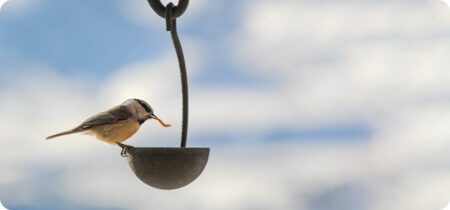
For those seeking the highest impact, offering live mealworms is often recommended. These wriggling morsels are particularly adept at attracting a wide array of songbirds, including those that may be more discerning in their food choices. WBU offers live mealworms in various quantities, allowing consumers to choose the amount that best suits their needs.
The Broader Implications: Conservation and Connection
The trend of incorporating insect-focused feeding strategies into backyard bird care extends beyond mere hobbyism; it touches upon broader themes of conservation and human-nature connection. By actively supporting insect populations and providing supplemental food sources, individuals contribute to the health of local ecosystems. This is particularly significant given the documented declines in insect populations globally, a phenomenon often referred to as "insectageddon."
"The health of bird populations is intrinsically linked to the health of insect populations," notes Dr. Vance. "When we create yards that are inhospitable to insects, we indirectly harm the birds that depend on them. Conversely, by embracing practices that foster insect diversity, we are contributing to a more resilient natural environment."
For mothers, the act of observing and nurturing backyard wildlife can be a deeply rewarding experience. It offers opportunities for education, mindfulness, and a tangible connection to the natural world. The vibrant activity of birds feasting on insects, flitting among native plants, and raising their young provides a constant source of wonder and a reminder of the intricate beauty of nature.

A Timeless Gift with Lasting Impact
The concept of giving "bugs for birds" for Mother’s Day, therefore, transcends the conventional. It is a gift that keeps on giving, fostering a thriving ecosystem that benefits wildlife and enriches the lives of those who appreciate it. It represents a thoughtful approach to gift-giving, one that prioritizes ecological well-being and the profound joy of nature observation.
While the initial suggestion might seem unconventional, the underlying principles are sound and supported by ecological science. By planting native flowers and offering supplemental mealworms, individuals can transform their backyards into havens for birds and a delightful spectacle for mothers to enjoy. It is a testament to how understanding and working with natural processes can lead to the most rewarding and impactful outcomes, proving that sometimes, the most unexpected gifts can be the most cherished.
The ongoing support of organizations like Wild Birds Unlimited in providing accessible and high-quality products for backyard bird feeding plays a crucial role in empowering individuals to participate in these ecological initiatives. As Mother’s Day approaches, considering a gift that nurtures the natural world – a gift of "bugs for birds" – offers a unique opportunity to celebrate mothers while simultaneously contributing to the health and vitality of our local environments. This approach aligns with a growing awareness of environmental stewardship and the desire to foster a deeper connection with the natural world, making it a truly modern and meaningful way to express appreciation.
