

By WBU Inc | Birds
The annual migration of hummingbirds, a spectacle of nature’s resilience and endurance, is a period of eager anticipation for bird enthusiasts across North America. As spring unfurls its tapestry of blossoms, the first sighting of these diminutive, iridescent jewels at backyard feeders is not merely an aesthetic delight but a testament to an extraordinary natural phenomenon. The journey these tiny avian acrobats undertake, often spanning thousands of miles, transforms the arrival of each individual bird into a significant event, promising a season filled with vibrant life and natural wonder. This article delves into the multifaceted aspects of hummingbird migration, their unique biology, the importance of providing suitable habitats, and the profound connection they foster between humans and the natural world.
The Arduous Journey: A Feat of Avian Endurance
Hummingbirds undertake some of the most remarkable migratory journeys relative to their size in the avian world. The most commonly observed species in the eastern United States, the Ruby-throated Hummingbird, embarks on an astonishing 2,000-mile odyssey from its wintering grounds in Central America to its breeding territories in the eastern United States and Canada. This arduous flight is not a leisurely cruise but a high-stakes gamble against the elements, predators, and exhaustion.
The migration typically begins in late winter and extends through spring. By March, the first waves of hummingbirds begin their northward push. The Gulf of Mexico crossing, a flight of approximately 500 miles over open water, is particularly perilous. Lacking any opportunity to rest or refuel, these tiny birds must rely on their energy reserves, built up from a diet of nectar and insects. This leg of the journey can take between 18 to 22 hours of non-stop flight, a feat that underscores their incredible metabolic efficiency and navigational prowess.
In the western United States, a more diverse array of hummingbird species engages in migration, each with its own specific routes and timing. Species like the Black-chinned, Rufous, and Broad-tailed hummingbirds also undertake significant north-south migrations, though their patterns can be more complex, involving altitudinal shifts and shorter distances compared to their eastern counterparts. The Rufous Hummingbird, for instance, is renowned for its incredibly long migration, traveling up to 3,900 miles from Alaska and Canada to its wintering grounds in Mexico, making it one of the longest migratory journeys of any bird in the world relative to its size.
Biological Marvels: The Science Behind the Spectacle
Hummingbirds are biological marvels, adapted for high-energy flight and rapid metabolism. Their wings can beat at astonishing speeds, ranging from 50 to 80 times per second, allowing them to hover, fly backward, and maneuver with unparalleled agility. This rapid wingbeat generates the characteristic humming sound that gives them their name. Their metabolism is the fastest of any warm-blooded animal, requiring a constant intake of high-energy food. Nectar from flowers and sugar-water feeders provides the necessary carbohydrates, while small insects and spiders offer essential protein, fats, vitamins, and minerals.
Their unique feeding mechanism is another fascinating aspect of their biology. Contrary to popular belief, hummingbirds do not suck nectar with their bills. Instead, they possess a long, grooved tongue that they rapidly extend and retract. When extended into a flower or feeder, the tongue’s edges curl inward, creating a capillary action that draws nectar into the mouth with each lap. Studies have shown this lapping motion can occur up to 12 times per second, a testament to their incredible speed and precision. Observing this intricate feeding behavior firsthand provides a deeper appreciation for their specialized adaptations.
Creating Havens: Enticing Hummingbirds to Your Backyard
For those eager to witness these avian wonders, providing an attractive habitat is paramount. This involves a multi-pronged approach focusing on food sources, water, and shelter.

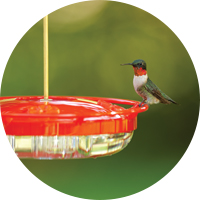
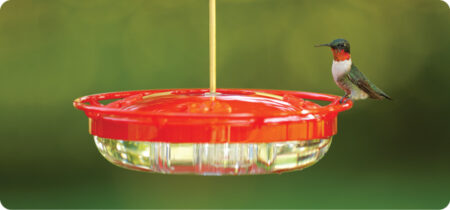
Nectar Feeders: The quintessential hummingbird feeder, filled with a simple solution of one part granulated white sugar to four parts boiled and cooled water, is an effective way to supplement their natural diet. It is crucial to avoid red dye or artificial sweeteners, as these can be harmful to hummingbirds. Regular cleaning of feeders is also essential to prevent the growth of mold and bacteria, which can sicken the birds. Wild Birds Unlimited, a leading retailer in backyard bird feeding, emphasizes the importance of feeders with clear plastic bases, such as their own Hummingbird Feeder or WBU Window Hummingbird Feeder, which allow for clear observation of the birds’ feeding techniques and the nectar levels.
Native Plants: While feeders provide a convenient energy source, a diverse array of native flowering plants is indispensable for a thriving hummingbird population. These plants offer not only nectar but also pollen, insects, and nesting materials. In the eastern United States, plants like bee balm (Monarda), cardinal flower (Lobelia cardinalis), and trumpet vine (Campsis radicans) are highly attractive. In the west, varieties such as columbine (Aquilegia), penstemon, and fuchsia are favored. Planting a variety of flowers that bloom at different times ensures a continuous food supply throughout the season.
Water Sources: Hummingbirds also require water for drinking and bathing. Misters, shallow birdbaths with gentle water flow, or even dripping faucets can provide these vital opportunities. The fine mist from a mister can be particularly appealing, allowing hummingbirds to bathe and keep their feathers clean and in optimal condition.
Resident Robins and Their Brood: A Different Kind of Anticipation
While many hummingbirds are migratory, some species, particularly in the far western regions of North America, are year-round residents or begin their breeding cycles early. Species like Costa’s, Anna’s, and Allen’s hummingbirds may already be nesting and raising young by early spring. This offers a different, yet equally rewarding, aspect of hummingbird observation. The anticipation shifts from the arrival of migrating adults to the sighting of newly fledged juveniles making their tentative first flights and visits to feeders. Observing these young birds, often less experienced and sometimes fluffier than their adult counterparts, as they navigate their new world adds another layer of joy to the hummingbird enthusiast’s experience.
Observing the Intricacies: A Window into Their World
The act of watching hummingbirds is an exercise in patience and keen observation. Their behaviors are as captivating as their appearance. Enthusiasts are encouraged to look for:
- Tail Fanning: A common display, often used during territorial disputes or courtship rituals.
- Chittering and Squeaking Calls: Their vocalizations, though often subtle, add to their presence.
- Wing Hum: The distinct sound produced by their rapid wingbeats.
- Pollen Presence: A faint dusting of yellow pollen on their forehead indicates their recent visits to flowers.
- Tongue Lapping: As mentioned, observing the rapid, in-and-out motion of their tongue as they feed is a remarkable sight, especially with specialized feeders.
Expert Insights and Educational Resources
For those seeking to deepen their understanding and enjoyment of hummingbirds, educational resources are readily available. Wild Birds Unlimited, through its "Nature Centered" podcast, offers an episode titled "Hooray for Hummingbirds." This episode, featuring experts John and Brian, provides entertaining and informative insights into attracting and observing these fascinating birds, further enhancing the joy of backyard birding. Such resources aim to foster a greater appreciation for the natural world and empower individuals to become better stewards of local ecosystems.
The Broader Impact: Conservation and Connection
The appeal of hummingbirds extends beyond mere aesthetic pleasure. Their presence in our backyards serves as a vital reminder of the interconnectedness of ecosystems. The success of their migration and breeding cycles is intrinsically linked to the health of their habitats, both in their wintering grounds and along their migratory routes. Supporting local conservation efforts and maintaining native plant populations are crucial for ensuring the continued survival of these remarkable species.
The act of providing for hummingbirds also cultivates a deeper sense of connection to nature. In an increasingly urbanized world, these small acts of conservation allow individuals to engage directly with the natural world, fostering empathy and a sense of responsibility. The anticipation and eventual arrival of hummingbirds become a symbol of renewal and the enduring power of nature, reminding us of the beauty and wonder that exist just beyond our doorstep. The wait for these "jewels of the air" is, indeed, a testament to their resilience, their extraordinary journeys, and the profound joy they bring to those who patiently await their return. The investment in feeders, native plants, and a watchful eye yields a dividend of unparalleled natural spectacle, making the patience required for their arrival profoundly worthwhile.
