
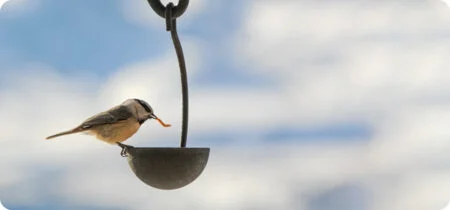
The intersection of backyard wildlife conservation, seasonal avian biology, and holiday gift-giving has generated a unique retail and ecological trend: encouraging consumers to purchase insects and native flora for Mother’s Day. While presenting someone with bugs might initially sound unconventional, experts in ornithology and backyard bird feeding emphasize that this strategy taps into a critical ecological window. May marks a peak period for both avian reproduction and seasonal migration across North America, transforming suburban and rural backyards into vital feeding stations. Retailers and conservation organizations, including Wild Birds Unlimited (WBU), are advocating for gifts that support local ecosystems, arguing that supplying mealworms and native plants offers a sustainable, rewarding experience for nature-loving mothers.
The ecological rationale behind this seasonal gift-giving concept is rooted in the life cycles of North American birds. May is prime nesting season for a vast majority of resident and migratory bird species. During this critical window, parent birds must provision their hatchlings with high-protein diets to support rapid growth and development. Research in avian ecology consistently demonstrates that virtually all songbird species feed their nestlings a diet heavily or exclusively comprised of insects for the first several weeks of life. Simultaneously, May serves as the peak month for the vernal migration of neotropical songbirds. Millions of warblers, vireos, thrushes, tanagers, and related species travel northward from Central and South America to their breeding grounds. These exhausted travelers require immense caloric intake—primarily in the form of fats and proteins derived from insects—to sustain them during the final, arduous legs of their journeys. Consequently, yards equipped with abundant insect populations and supplemental feeding stations become critical refueling hubs. For mothers who appreciate wildlife watching, the presence of these colorful, transient migrants offers a unique observational experience that traditional cut flowers simply cannot replicate.
Implementing a backyard habitat strategy that caters to insectivorous birds involves a deliberate, two-pronged approach championed by environmental horticulturists and bird feeding specialists. The first element focuses on long-term habitat sustainability through the cultivation of native plants. Unlike traditional ornamental bouquets that inevitably wilt within days of presentation, native perennials, shrubs, and trees planted in gardens or container pots provide enduring aesthetic and ecological value. Native flora shares an evolutionary history with local insect populations, meaning these plants serve as primary host species for caterpillars, beetles, and other invertebrates that birds actively hunt. By gifting native plants for Mother’s Day, consumers invest in a self-sustaining garden ecosystem that supports biodiversity throughout the entire spring, summer, and autumn seasons.

The second component of this strategy involves targeted supplemental feeding designed to bridge gaps in natural food availability. While native plants attract wild insects, providing high-protein commercial feed options ensures that resident and migratory birds have reliable access to essential nutrients, particularly during unseasonal weather events that might temporarily suppress insect activity. Mealworms—both dried and live variants—have emerged as a premier dietary supplement for attracting insect-eating birds. According to avian feeding experts, products such as specialized nesting seed blends, insect-infused cylinders, and live larvae effectively replicate the natural foraging targets of species like bluebirds, robins, wrens, and titmice.
From a broader economic and retail perspective, the Mother’s Day holiday represents one of the most significant sales periods of the year for the lawn, garden, and specialty pet sectors. Industry analysts note a steady upward trajectory in consumer spending toward experiential and eco-friendly gifts, moving away from disposable consumer goods in favor of sustainable home and garden improvements. Franchise networks within the backyard nature sector, such as Wild Birds Unlimited—which operates over 350 franchise locations across the United States and Canada—have capitalized on this shift by marketing specialized seasonal blends and feeding accessories tailored specifically to the biological needs of spring wildlife. By framing wildlife conservation products as meaningful gifts, retailers bridge the gap between commercial consumerism and environmental stewardship.
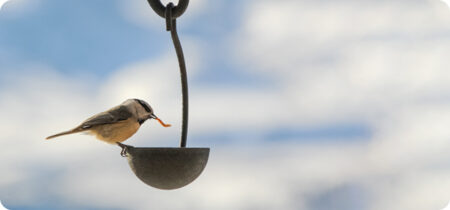
Ornithologists and wildlife management professionals view the trend toward insect-based backyard provisioning as a net positive for urban and suburban bird populations. Habitat fragmentation and the widespread use of residential pesticides have historically placed significant pressure on native insect populations, which in turn diminishes food security for insectivorous birds. Urban and suburban backyards, when managed with ecological principles in mind, can function as crucial micro-refuges. Providing mealworms and eliminating chemical pesticide use allow homeowners to directly mitigate some of the environmental pressures faced by local and migrating avifauna. Furthermore, engaging the public in wildlife observation fosters a deeper appreciation for broader conservation issues, transforming casual backyard hobbyists into active participants in citizen science initiatives such as the Great Backyard Bird Count and regional migration monitoring programs.
Ultimately, the unconventional concept of gifting bugs for Mother’s Day bridges the gap between practical wildlife conservation and holiday sentimentality. By combining the enduring beauty of native horticulture with the immediate observational joy provided by supplemental feeding stations, gift-givers can offer an experience that extends far beyond the traditional holiday timeline. As backyard bird feeding continues to evolve into a sophisticated blend of ecology, consumer products, and wildlife management, initiatives that prioritize the biological needs of wildlife during critical periods like the spring migration and nesting season demonstrate that innovative gifting can align harmoniously with the needs of the natural world.
