
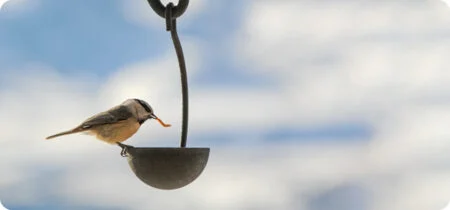
As Mother’s Day approaches each May, families routinely turn to traditional tokens of appreciation—cut flowers that inevitably wilt within days, boxed chocolates, and greeting cards. However, a growing segment of backyard nature enthusiasts and conservation-minded retailers are suggesting an unconventional alternative that promises a much longer-lasting reward: backyard birds fueled by insects and native plants. While the proposition of giving "bugs" as a gift may initially sound bizarre, wildlife experts argue that it taps into a deeper appreciation for nature, supporting local avian populations during their most critical biological season of the year.
This seasonal shift in gift-giving philosophy is championed by organizations such as Wild Birds Unlimited (WBU), the largest franchise system of backyard bird feeding and nature specialty stores in North America. By reframing how consumers think about garden enrichment, retailers are promoting a dynamic approach to Mother’s Day that combines ecological stewardship with the visual and auditory pleasures of backyard birdwatching. Rather than offering a fleeting aesthetic gesture, proponents suggest investing in the natural food webs that bring vibrant songbirds directly to a mother’s window.
Main Facts and the Ecological Rationale
The core rationale behind the "bugs for birds" concept lies in the seasonal lifecycle of North American bird species. May marks the absolute peak of the avian nesting season. During this critical window, virtually every backyard songbird species feeds its young a strict, protein-rich diet of insects for weeks on end. From robins and bluebirds to wrens and chickadees, parent birds scour local environments to capture enough caterpillars, beetles, and spiders to sustain rapidly growing nestlings.
Simultaneously, May coincides with the massive spring migration of neotropical songbirds. Millions of warblers, vireos, thrushes, and tanagers travel hundreds or thousands of miles northward, stopping briefly in suburban and rural yards to refuel. For these migratory travelers, insects serve as the primary source of the dense fats and essential energy required to complete their arduous journeys.
When a homeowner actively increases the insect population and provides concentrated protein sources at backyard feeders, they create a welcoming sanctuary. For a mother who enjoys wildlife observation, the resulting influx of diverse, colorful, and melodious songbirds provides daily entertainment and a profound connection to the natural world.
A Chronology of Spring Avian Activity
Understanding why May is the optimal time for this unique gift requires examining the biological calendar of backyard wildlife. The season follows a predictable chronological progression that dictates both bird behavior and gardening efforts:
Early Spring (March to April): Migratory patterns begin as wintering birds depart and early arrivals test northern territories. Backyard bird feeders experience high traffic as birds seek high-energy suet and seeds to replenish fat reserves depleted by cold weather and territorial establishment.
Mid-Spring (Late April to Early May): Nest-building commences across North America. Mated pairs select nesting sites, and hormonal shifts drive territorial defense. During this phase, natural insect populations begin to emerge alongside the first wave of spring flora, but food demands often outstrip natural availability during sudden cold snaps or heavy rains.
Peak Spring (May): This is the zenith of avian reproduction and migration. The vast majority of songbirds hatch their first broods of the year. Nestling feeding demands reach their absolute maximum. Concurrently, migrating flocks pass through local canopies in peak numbers, heavily relying on gardens rich in native plants and supplemental feeding stations.

Summer (June to August): Fledglings emerge from nests and begin visiting feeders alongside adult birds. Gardens established in May reach full bloom, sustaining local insect populations that feed subsequent broods and resident wildlife through the warmer months.
The Two-Pronged Approach: Native Flora and Supplemental Feeding
Wildlife biologists and retail experts outline a two-part strategy to effectively transform a backyard into an insect-rich haven for birds, creating a sustained gift experience for Mother’s Day.
The first element involves transitioning away from transient, commercially forced floral arrangements in favor of native perennial plants. Unlike traditional cut flowers that quickly perish, native plants—such as coneflowers, black-eyed Susans, milkweed, and native shrubs—establish deep root systems and return year after year. More importantly, native insects have co-evolved alongside native flora; caterpillars and beetles rely on specific native plants to complete their life cycles. By planting these varieties in garden beds or decorative container pots for Mother’s Day, gift-givers provide the foundational building blocks for a thriving local food web. Native plants add enduring aesthetic beauty to the landscape while naturally hosting the diverse insect populations that birds actively seek out.
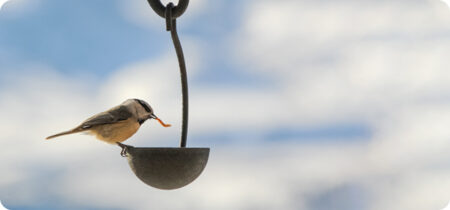
The second element is the strategic use of supplemental insect-based foods at feeding stations. While native plants attract wild insects, supplemental products provide a reliable, high-protein safety net for parent birds feeding hungry nestlings. Chief among these supplements are mealworms. Live mealworms are widely recognized as one of the most effective tools for drawing insectivorous songbirds—such as bluebirds, wrens, and warblers—directly into plain view. For those who prefer a less active management style, dried mealworms incorporated into specialized seed blends offer a convenient alternative.
Industry Offerings and Product Evolution
Retailers have adapted to this ecological shift by developing specialized products tailored to the nutritional needs of nesting and migrating birds. Wild Birds Unlimited, operating more than 350 locations across the United States and Canada, has introduced seasonal formulations designed specifically for the spring market.
Among these is the WBU Nesting SuperBlend®, a proprietary mix formulated with dried mealworms, calcium-rich ingredients, and high-protein seeds. This blend is made available both as a loose seed mixture and compressed into specialized seed cylinders designed to fit standard backyard feeders. Additionally, the Bug, Nut & Berry Cylinder™ has gained traction among consumers looking to attract a wide spectrum of insect- and fruit-eating species without the maintenance of traditional loose-feeders. Live mealworm packages, ranging from starter quantities to bulk counts, round out the specialized inventory aimed at maximizing backyard biodiversity during the spring surge.
Expert Analysis and Environmental Implications
Environmental analysts and ornithological researchers note that consumer trends leaning toward ecological landscaping carry significant positive implications for North American bird populations. Over recent decades, widespread habitat loss and the proliferation of sterile suburban lawns—often dominated by non-native turfgrass and ornamental plants—have contributed to documented declines in insect biomass and, consequently, songbird numbers.
By encouraging homeowners, and specifically Mother’s Day shoppers, to integrate native plants and targeted protein feeding into their properties, garden specialty retailers are advancing a grassroots conservation model. Entomological studies frequently emphasize that suburban yards, when managed with biodiversity in mind, can serve as vital ecological stepping stones and micro-reserves for native fauna.
When consumers invest in native perennial gardening and high-protein bird food, the cumulative impact extends far beyond a single backyard. Increased fledgling survival rates bolster local populations of migratory and resident songbirds, helping to stabilize ecosystems affected by broader environmental pressures. Furthermore, educational outreach campaigns—such as specialized nature podcasts and in-store consultations provided by conservation retailers—help bridge the knowledge gap between casual gardeners and dedicated wildlife stewards.

Broader Cultural Shift in Gifting
The growing acceptance of "bugs for birds" as a viable holiday gift reflects a broader cultural pivot toward experiential, sustainable, and eco-conscious consumerism. Rather than purchasing mass-produced consumer goods with high carbon footprints, modern gift-givers increasingly favor items that foster a direct, ongoing relationship with the natural environment.
For mothers who find solace, joy, and mental health benefits in wildlife observation, a gift that actively curates a vibrant ecosystem outside their window offers continuous value throughout the spring, summer, and beyond. As public awareness of ecological interdependence grows, the notion of gifting mealworms and native flora moves from a quirky novelty to a thoughtful, scientifically grounded gesture of appreciation. While the initial conversation starter—suggesting bugs as a present for mom—may still require a brief explanation, the resulting chorus of songbirds in the backyard provides all the validation needed.
