
The arrival of spring heralds one of the most anticipated events in the North American backyard ecosystem: the annual migration of hummingbirds. Millions of these diminutive creatures embark on an extraordinary journey, traveling thousands of miles from their wintering grounds in Central America and Mexico to their breeding territories across the United States and Canada. For backyard bird enthusiasts, the appearance of the season’s first hummingbird marks a symbolic turning point in the year, transforming quiet gardens into vibrant ecosystems buzzing with activity.
The Epic Migration: A 2,000-Mile Journey
The sheer scale of the hummingbird migration is a marvel of the natural world. Despite weighing no more than a penny in many cases—such as the ubiquitous Ruby-throated Hummingbird—these birds navigate immense geographic barriers. Their spring migration involves crossing the Gulf of Mexico in a non-stop, 18-to-24-hour flight, a grueling test of endurance that requires them to nearly double their body weight in fat prior to departure.
As these aerial athletes make landfall along the Gulf Coast and disperse northward, their arrival is dictated by photoperiods and the availability of blooming nectar sources. In the eastern half of the continent, the Ruby-throated Hummingbird is the primary summer resident, while western regions boast a richer diversity, including the Black-chinned, Rufous, and Broad-tailed hummingbirds.
While most species are still in transit during early spring, certain regions of the Far West experience a different timeline. Residents in coastal and southern California, Arizona, and parts of the Pacific Northwest often host year-round or early-nesting species such as Anna’s, Costa’s, and Allen’s hummingbirds. In these areas, families are already established by early spring, and observers are treated to the spectacle of newly fledged juveniles making their initial flights to backyard feeding stations.
Strategic Habitat Preparation and Feeding
Wildlife experts and conservation organizations emphasize that attracting hummingbirds requires more than merely putting out sugar-water solutions. Preparation for the migration season involves creating a welcoming habitat that mimics the birds’ natural requirements for food, water, and shelter.

According to ornithological and backyard feeding specialists at Wild Birds Unlimited (WBU), optimal results are achieved by combining traditional nectar feeders with a diverse landscape of native flowering plants. Native flora such as bee balm, cardinal flower, columbine, and trumpet creeper provide essential amino acids, insects, and micronutrients that refined sugar alone cannot supply.
However, feeders remain a vital supplement, particularly during early spring when sudden late-season frosts or unseasonal weather can devastate early blooms. Experts recommend maintaining a strict hygiene schedule for feeders—cleaning them every three to five days with a mild vinegar and water solution—to prevent the growth of harmful molds and bacteria that can prove fatal to visiting wildlife.
Advanced Observational Insights
Observing hummingbirds at close range offers a unique window into avian biomechanics. Far from passive nectar consumers, hummingbirds employ complex physiological adaptations to feed and defend their territory.
A common misconception is that hummingbirds use their bills like straws to suck up liquids. In reality, scientists have documented that a hummingbird’s tongue is a sophisticated dual-grooved hydraulic tool. The tongue features tiny, hair-like lamellae that flare out upon contact with nectar, trapping the fluid before the tongue rapidly retracts into the bill at speeds exceeding 12 to 20 laps per second.
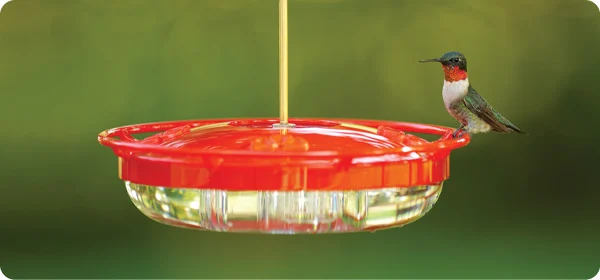
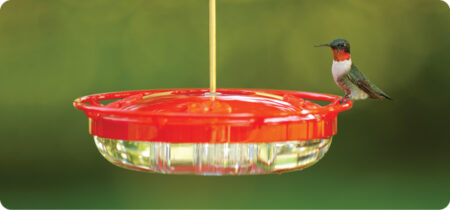
Specialized backyard equipment has been engineered to allow enthusiasts to witness this phenomenon firsthand. Clear-plastic-based window feeders provide an unobstructed, underside view of the bird’s rapid lapping mechanism, enhancing both recreational enjoyment and amateur scientific observation. Beyond feeding mechanics, observers frequently note complex territorial displays, including high-speed aerial dives, tail-fanning, and audible "chittering" or squeaking vocalizations produced primarily through rapid wing-beats and specialized tail feathers.
Broader Ecological Implications
The seasonal movement and feeding patterns of hummingbirds carry significant ecological implications. As primary pollinators for numerous wildflower species, hummingbirds play an indispensable role in maintaining floral biodiversity across North America. Their dependency on synchronized blooming cycles makes them crucial bio-indicators for monitoring the impacts of regional climate shifts and habitat fragmentation.

Conservation biologists note that early arrival times, increasingly documented over the past several decades, correlate with warming spring temperatures. This phenological mismatch—where birds arrive before their primary food sources have bloomed—poses ongoing challenges for migratory survival. Consequently, the establishment of certified wildlife habitats and well-maintained feeding stations in suburban and rural backyards serves an increasingly vital conservation function, offering crucial caloric support to populations navigating shifting environmental pressures.
Educational resources, such as specialized nature podcasts and ornithological outreach programs, continue to guide the public on best practices for supporting local bird populations. Through informed habitat management and careful observation, backyard naturalists not only secure a front-row seat to one of nature’s most dazzling spectacles but also contribute to the broader understanding and preservation of migratory bird species.
