

As the winter holiday season approaches, households across North America frequently find themselves grappling with the annual commercial rush and the associated stress of securing meaningful gifts for family and friends. Amidst the proliferation of electronic gadgets, fast-fashion items, and ephemeral novelties, a significant segment of consumers is increasingly turning toward the natural world for inspiration. Retailers specializing in backyard ornithology and hobbyist nature supplies report a steady surge in demand for products designed to connect people with local wildlife. According to industry analysts, the market for consumer bird-feeding supplies has experienced consistent, resilient growth over the past decade, driven by a broader cultural shift toward mindfulness, home-based hobbies, and ecological engagement.
Wild Birds Unlimited (WBU Inc.), the largest franchise system of backyard bird feeding and nature specialty stores in North America with more than 350 locations across the United States and Canada, has documented this seasonal trend extensively. Store operators note that patrons frequently seek gifts that transcend the traditional holiday cycle—items intended to provide sustained engagement, aesthetic value, and ecological enrichment long after December concludes. To mitigate last-minute consumer anxiety and streamline the gift-selection process for shoppers navigating crowded retail aisles, avian hobby experts have curated a selection of specialized feeding products designed to attract diverse bird species while adding seasonal charm to residential landscapes.
Chronology and Evolution of the Backyard Birding Industry
The commercialization and popularization of backyard bird feeding as a structured hobby trace their roots back to the mid-20th century, coinciding with suburban expansion and an increased public interest in ornithological conservation. Initially centered around rudimentary wooden platforms and basic mixes of cracked corn and milo, the industry has evolved considerably over the past fifty years. Technological advancements in seed processing, feeder engineering, and nutritional science have transformed simple backyard feeding into a specialized hobby supported by extensive research into avian dietary needs.
During the 1970s and 1980s, the establishment of dedicated specialty franchises standardized retail access to high-grade seed blends, suet formulations, and specialized hardware designed to deter nuisance species while supporting localized populations of songbirds, woodpeckers, and finches. Over the subsequent decades, the integration of ecological education into retail models transformed stores into community hubs for conservation. Today, the industry experiences predictable seasonal peaks. Autumn and early winter represent a critical operational period, as declining natural food sources prompt millions of homeowners to establish or expand supplemental feeding stations. Retail data consistently indicates that December serves as a high-volume sales window, not only for functional equipment like weather-resistant tubular feeders and pole systems, but increasingly for novelty items, specialty seed cylinders, and premium gift bundles aimed at novice nature enthusiasts.
Curated Recommendations for the Winter Season
To assist consumers navigating the plethora of available options, avian experts have highlighted three distinct product categories that combine practical utility with seasonal appeal. These recommendations reflect current consumer preferences for low-maintenance, high-efficiency feeding solutions that minimize waste while maximizing avian species diversity.
Decorative and Novelty Feeding Solutions
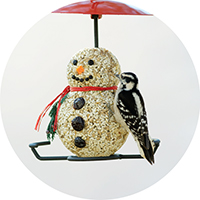
Integrating seasonal aesthetics with practical ornithological utility has become a prominent design trend in modern backyard hardware. Among the items gaining traction this season is the themed seed cylinder. Designed to appeal to both casual observers and dedicated hobbyists, these compressed seed formulations serve a dual purpose: they provide a dense, high-calorie food source for wintering birds while offering a whimsical decorative element for residential gardens.
Industry specialists frequently recommend pairing these molded products with specialized, color-coordinated hardware, such as compact tray-style cylinder feeders. This combination ensures that seed remains elevated off the damp ground, reducing spoilage and minimizing the risk of transmitting avian pathogens. Furthermore, the slow-release nature of compressed seed cakes reduces the frequency with which homeowners must service the feeding station, making it an ideal entry point for individuals who are new to the hobby.

Comprehensive Nutritional Formulations
The physiological demands placed on wild birds during the winter months are severe. Maintaining core body temperatures in sub-freezing temperatures requires high caloric intake, making dietary fat and protein essential components of supplemental feeding regimens. Premium seed cylinders packed with high-energy ingredients—such as rendered beef suet, pecans, sunflower chips, shelled peanuts, safflower, black oil sunflower seeds, and dried cranberries—are increasingly favored over generic, unselected seed mixes.
Nutritional analyses emphasize that specialized formulations reduce the amount of discarded waste left beneath feeders. Traditional bulk mixes often contain high proportions of filler grains, such as milo and oats, which many desirable songbird species discard in favor of more desirable oil-rich seeds. By utilizing compressed cylinders composed entirely of preferred foods, consumers can attract a broader spectrum of winter visitors, including cardinals, titmice, nuthatches, and various species of finches, while keeping surrounding lawns clean and free of unwanted weed germination.
Versatile Multi-Food Systems
For gift-givers seeking maximum utility and long-term engagement, versatile feeding hardware that accommodates multiple food types is considered an optimal choice. Modern specialty feeders designed to handle loose seed blends, suet plugs, fruit segments, and live or dried mealworms provide the greatest potential for biodiversity within a single backyard environment.
Avian behaviorists note that different species occupy distinct ecological niches regarding foraging preferences. Ground-feeding sparrows, clinging woodpeckers, and perching goldfinches each require specific structural access points. Feeders engineered with multi-port configurations and variable dispensing mechanisms allow homeowners to experiment with diverse offerings throughout the changing seasons. This adaptability ensures that the gift remains functional and engaging well beyond the immediate winter holidays, transitioning seamlessly into the spring nesting and migration periods.

Expert Insights and Educational Outreach
Beyond retail transactions, organizations within the backyard nature sector emphasize the importance of public education regarding avian health and habitat conservation. Industry leaders frequently utilize digital media platforms, including educational podcasts and online resource libraries, to disseminate guidance on responsible feeding practices. Topics frequently covered by ornithological experts include the prevention of window collisions, the critical importance of maintaining clean water sources during freezing conditions, and the proper sanitation of feeding hardware to prevent disease transmission among localized bird populations.
Specialists hosting these educational programs stress that the act of observing backyard wildlife yields measurable psychological and cognitive benefits for humans. Numerous academic studies in environmental psychology and public health suggest that routine exposure to nature—even through a residential window overlooking a bird feeder—can lower cortisol levels, reduce perceived stress, and enhance overall psychological well-being. By framing backyard bird feeding as a wellness practice as much as an ecological hobby, industry advocates have successfully broadened the demographic appeal of nature specialty stores.
Economic and Ecological Implications
The sustained popularity of backyard bird feeding carries significant implications for both regional economies and domestic conservation efforts. Economically, the hobby supports a robust supply chain encompassing agricultural producers of specialty grains and oilseeds, domestic manufacturing plants producing hardware and optics, and a vast network of independent and franchised retail establishments. According to economic impact studies commissioned by wildlife conservation organizations, consumer expenditures related to backyard bird watching and feeding contribute billions of dollars annually to North American economies, supporting thousands of specialized jobs in retail, logistics, and manufacturing.
Ecologically, the collective impact of millions of backyard feeding stations forms an extensive, decentralized network of supplemental support for resident and migratory bird populations. While professional ornithologists debate the precise long-term demographic effects of supplemental feeding, consensus exists regarding its utility during severe weather events and in heavily urbanized landscapes where natural foraging habitat has been fragmented or eliminated by human development. When executed responsibly—utilizing high-quality, uncontaminated food sources and maintaining strict hygiene standards—backyard feeding can significantly improve winter survival rates for numerous passerine species.

As the retail sector prepares for the peak holiday shopping weeks, industry observers anticipate that consumer interest in nature-based gifts will remain robust. By prioritizing products that foster a direct, sustainable connection to local wildlife, shoppers are increasingly opting for experiences and hobbies that offer enduring value over short-lived material goods. Through continued education, product innovation, and a commitment to environmental stewardship, the backyard birding community continues to expand its reach, bridging the gap between human residential spaces and the natural world.
