
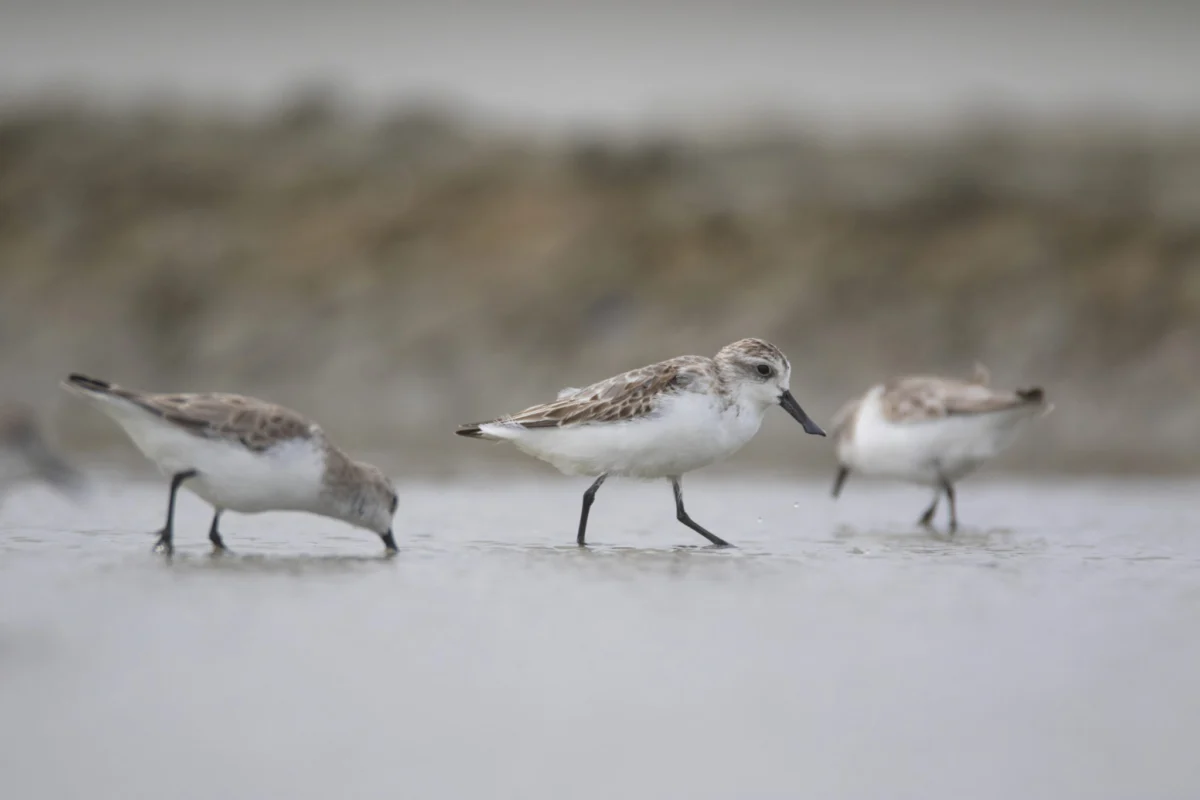
Every spring and autumn, the skies above our continents bear witness to one of the most astonishing biological phenomena on Earth. Millions of migratory birds embark on transcontinental journeys, navigating thousands of kilometers across perilous landscapes, oceans, and borders from their fragile breeding grounds to wintering sanctuaries. This majestic spectacle of endurance has long captivated humanity, serving as a symbol of freedom and natural harmony. Yet, this ancient rhythm of life is breaking down. A comprehensive and alarming new report released by BirdLife International, the State of the World’s Birds, reveals that an astounding 45 percent of the world’s more than 2,000 migratory bird species are currently experiencing population declines.
The crisis is not evenly distributed across avian groups; it hits coastal and aquatic travelers the hardest. According to the data, migratory shorebirds are suffering the steepest plunge, with 54 percent of species seeing diminishing numbers. This downward trajectory has horrific precedents that are rapidly shifting from isolated warnings to a systemic ecological collapse. Last year, the conservation community was forced to confront an irreparable loss: the migratory slender-billed curlew was officially declared extinct. This tragic milestone is far from an isolated anomaly. Over the past century and a half, at least seven migratory bird species have been confirmed or strongly suspected to have vanished forever, while roughly 11 percent of all remaining migratory bird species currently teeter on the brink of extinction.
The catalysts behind this widespread avian retreat are entirely anthropogenic. Scientists and conservationists point to a converging matrix of man-made pressures, dominated by accelerated climate change, widespread environmental pollution, and unchecked, unsustainable urban and industrial development. As natural habitats morph under the weight of human expansion, the corridors that have guided these species for millennia are fracturing.
Unraveling the Fabric of Ecosystems
The implications of plummeting migratory bird populations extend far beyond the intrinsic tragedy of losing biodiversity. Migratory birds function as critical ecosystem regulators on a global scale. As they traverse international boundaries, these species act as dynamic vectors for ecological health—dispersing seeds across vast distances, regulating surging insect populations, and maintaining the structural integrity of diverse environments.
When migratory populations collapse, the resulting ecological vacuum triggers cascading effects throughout global food webs. The decline of insectivorous and waterbird species disrupts vital ecosystem services, including natural pest control and pollination. These ripples can destabilize fragile ecosystems thousands of kilometers away from the birds’ actual migratory routes or breeding grounds. Furthermore, birds are uniquely sensitive bio-indicators. Because they occupy high trophic levels and travel across multiple biomes, their physiological and demographic health offers an immediate, highly accurate diagnostic of the broader biosphere. The dwindling numbers of migratory birds serve as a glaring, empirically verified warning sign that the earth’s natural life-support systems are under severe strain.
Lifelines in Peril: The Critical Role of Wetlands
To complete their grueling transcontinental odysseys, the vast majority of migratory bird species rely heavily on interconnected networks of wetlands. These critical habitats—ranging from coastal mudflats and salt pans to sprawling river deltas, inland lakes, and peatlands—provide indispensable sanctuaries for feeding, resting, molting, and breeding.
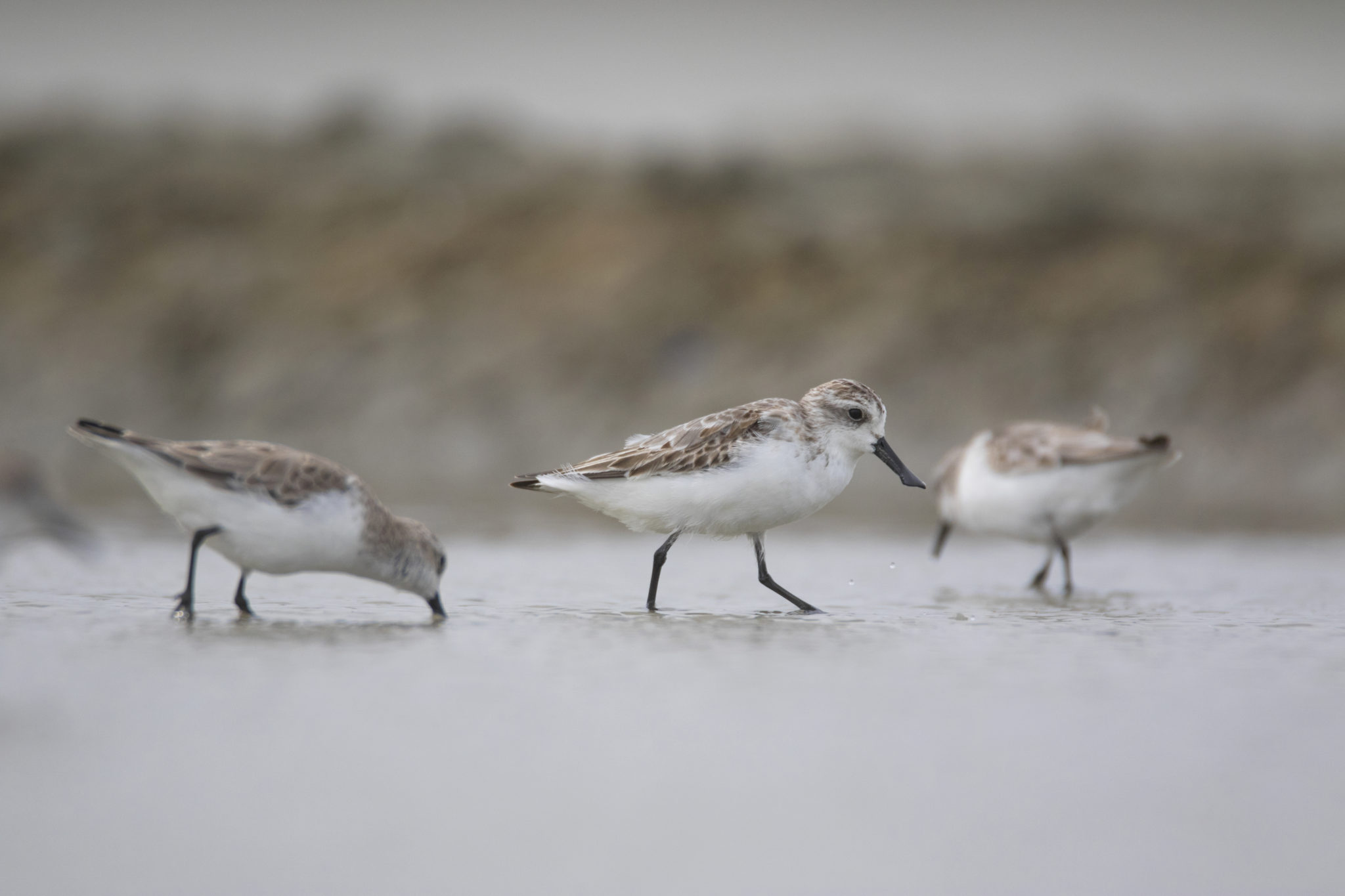
The planetary scale of these migrations is anchored by massive avian flyways. The East Atlantic Flyway, an immense migratory corridor stretching from the high Arctic breeding grounds down to the southern tip of Africa, sustains millions of birds, including the critically endangered spoon-billed sandpiper. Similarly, the East Asian-Australasian Flyway spans 22 countries and supports an estimated 50 million migratory waterbirds representing more than 210 distinct species.
Within these flyways, ecological interdependency is absolute. For instance, the destruction or degradation of a single tidal mudflat in China can prevent thousands of red knots from finding adequate rest and sustenance during their arduous journey, directly reducing their survival and reproductive success. Further inland, the vast peatlands of Central Asia and Mongolia serve as irreplaceable stopover sites for the threatened Siberian Crane as it navigates the perilous route from northern Siberia to its wintering grounds in China.
Despite their ecological and hydrological value, wetlands remain historically undervalued and systematically overlooked by policy-makers and developers. Rivers are frequently engineered and treated as mere industrial drainage pipes; inland lakes are pumped dry or utilized as receptacles for agricultural and urban runoff; and diverse wetland ecosystems are routinely dismissed as useless "wastelands" ripe for reclamation. This pervasive mismanagement has driven a catastrophic loss of approximately 22 percent of the world’s remaining wetlands since 1970. Today, these critical environments continue to be drained, dammed, dredged, and degraded at an alarming, unsustainable rate.
A Chronology of Mounting Environmental Pressure
The systematic decline of migratory birds and their habitats is the culmination of decades of intensifying industrial pressure and policy neglect. Understanding the trajectory of this crisis requires examining key milestones in modern conservation history:
- 1970: Global baseline assessments mark the beginning of widespread, systematic monitoring of wetland loss, recording a massive degradation of aquatic habitats that would accelerate over the subsequent decades.
- The Late 20th Century: Industrialization, agricultural intensification, and rapid coastal development across major flyways—particularly the East Asian-Australasian Flyway—begin rapidly shrinking critical stopover sites through land reclamation projects.
- 2010s: Conservation assessments increasingly highlight the compounding threats of global climate change, shifting weather patterns, and warming Arctic temperatures, which disrupt the delicate timing between bird arrival and seasonal food availability (phenological mismatch).
- 2025: The formal, heartbreaking declaration of the extinction of the slender-billed curlew serves as a stark historical marker, proving that even well-known migratory species can slip entirely past the threshold of recovery.
- September 2026: BirdLife International releases its comprehensive State of the World’s Birds report, revealing that 45 percent of migratory species are in population decline, with shorebirds dropping by an unprecedented 54 percent.
Pathways to Recovery: Science-Based Conservation and Habitat Restoration
While the pressures bearing down on migratory birds are immense and multifaceted, conservation scientists emphasize that the solutions are well-understood, technically feasible, and grounded in decades of empirical research. Reversing this trajectory requires a coordinated global commitment to safeguarding and restoring the ecological networks that sustain migratory wildlife.
Organizations such as Wetlands International operate across multiple international flyways with a dual mandate: actively restoring degraded wetlands and implementing legal frameworks to protect healthy, functioning ecosystems. Central to this mission is the continuous collection of rigorous, long-term environmental data to inform adaptive, science-based conservation strategies. Rather than relying on guesswork, modern habitat management utilizes satellite tracking, population counts, and hydrological modeling to pinpoint critical intervention zones where conservation dollars and policy efforts will yield the highest ecological return.
Official Responses and Urgent Warnings
The release of the new BirdLife International data has galvanized conservation leaders worldwide to demand immediate policy interventions from governments and international bodies. The systemic loss of biodiversity cannot be decoupled from broader global sustainability frameworks, and waterbird conservation is increasingly viewed as an essential metric of planetary health.
Reacting to the compounding crisis, Coenraad Krijger, CEO of Wetlands International, issued a stern and uncompromising assessment of the current ecological reality. "This loss of the Slender-billed Curlew is another deafening wake-up call," Krijger stated. "We must urgently accelerate efforts to save the world’s migratory waterbirds and the wetlands they depend on before more species join the lengthening list of those that are gone for good."
Analysts note that halting the decline of migratory birds requires breaking down institutional silos. Ministries of water resources, urban development, agriculture, and environment must coordinate their planning to prevent the fragmentation of transboundary flyways. Furthermore, local communities residing along critical wetland zones must be integrated into stewardship initiatives, ensuring that the protection of natural habitats aligns with sustainable livelihoods.
Implications for the Future
The plight of migratory birds acts as a mirror reflecting humanity’s broader relationship with the natural world. If the skies fall silent and the wetlands that sustain these travelers are allowed to collapse, the consequences will ripple across human societies through degraded water security, amplified climate impacts, and broken ecological functions.
The data is clear, the warning signs have been sounded, and the geographic locations of critical habitats are well-documented. What remains is the political will and financial commitment to transition from documenting the extinction of species to actively securing their survival. Saving wetlands means saving birds—and by extension, safeguarding the resilient, interconnected ecosystems upon which all human life ultimately depends.
