
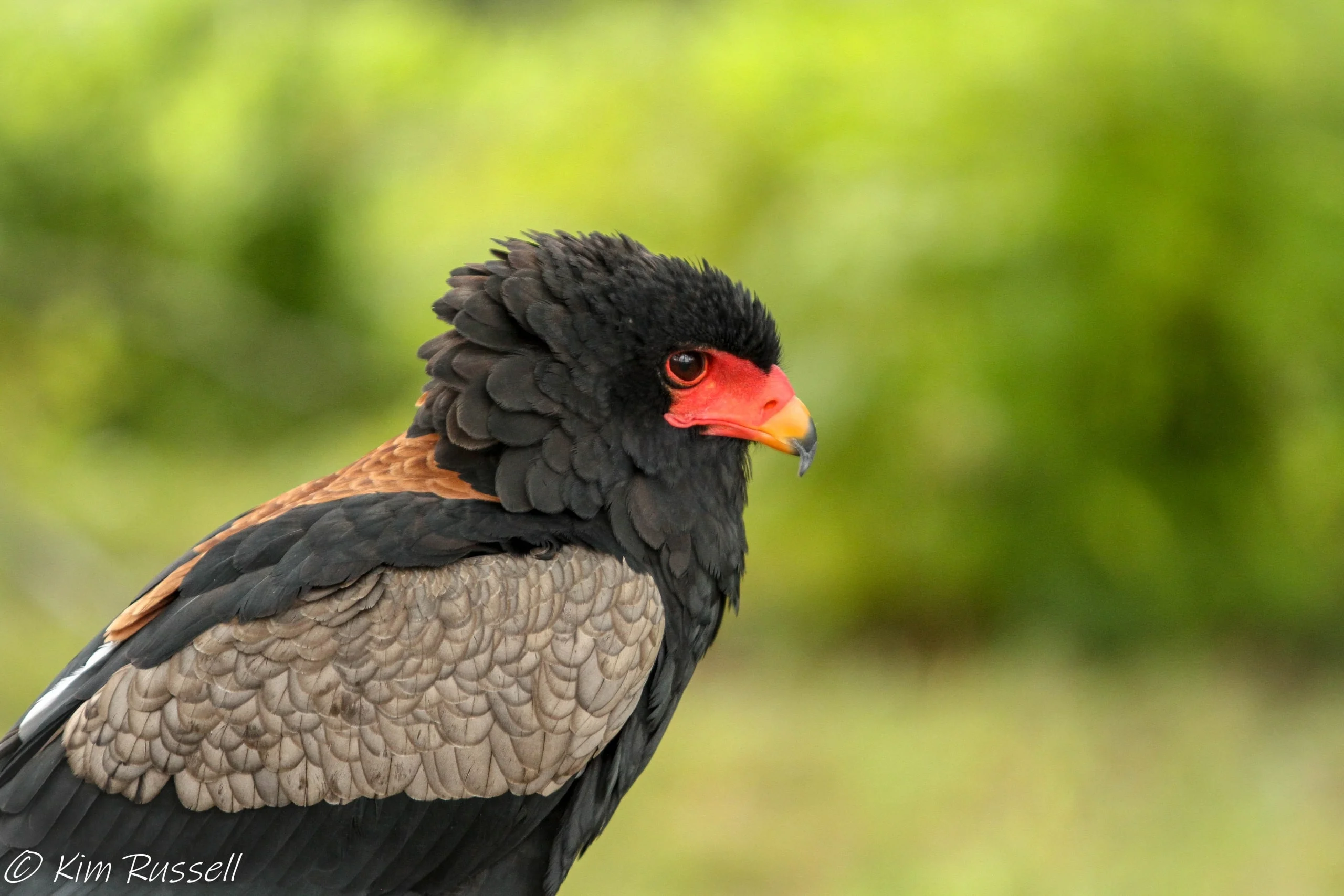
William "Two-Raven" Voelker, a distinguished member of the Ohnononuh band of the Comanche People, has dedicated over four decades to forging a profound connection between ethnology and ornithology, a pursuit centered on the holistic preservation of the eagle – in history, science, and spirit. Born to a full-blood Comanche mother and a father deeply involved in raptor research, Voelker’s unique lineage has informed his life’s work. He stands as a pioneering figure, holding the distinction of being the first Native American to possess U.S. Fish and Wildlife Service permits for the captive care and breeding of both Bald and Golden Eagles. Furthermore, he is the sole individual in the United States to have successfully propagated both species through artificial insemination. His groundbreaking achievements include the production of the world’s first artificially conceived Bald Eagle, a testament to his expertise. Since 1974, Voelker has been instrumental in the captive production of over four hundred native eagles, with the vast majority subsequently released back into the wild, contributing significantly to conservation efforts. His research extends beyond native species, encompassing field studies, captive behavioral research, and propagation of sixty-eight diverse species of eagles and other raptors from five continents. Voelker’s commitment to his heritage is further underscored by his past service as chairman of the Comanche Nation NAGPRA & Historic Preservation Board of Directors.
Genesis of a Unique Initiative: Sia Established
In 1999, Voelker consolidated his extensive life’s work under the political framework of the Comanche Nation, formally establishing Sia: The Comanche Nation Ethno-Ornithological Initiative. This initiative operates as an official program of the Tribe, addressing critical areas concerning the traditional and cultural interactions between Native Peoples and their avian resources. A landmark achievement under the Sia umbrella is the establishment of The Sia Essential Species Repository. This innovative program marks the first tribally administered Native American feather acquisition and dispersal initiative. Its core mission is to facilitate the fulfillment of feather needs for Native Americans by Native Americans, operating in direct partnership with the U.S. Fish and Wildlife Service. The repository offers a legal and ethically sound pathway for members of federally recognized tribes to acquire and possess feathers from non-eagle migratory birds, all while strictly adhering to stringent conservation protocols. The genesis of this tribal feather repository can be traced back to 1973, when the initial proposal was submitted to the U.S. Fish and Wildlife Service for approval.
A Legacy of Knowledge: Archival Treasures
As the designated historian of bird knowledge for the Numunuh (Comanche People), Sia meticulously curates and maintains an extraordinary archive of material culture spanning over 300 years. This invaluable collection is housed in a state-of-the-art, environmentally controlled facility, ensuring its preservation for future generations. The archive comprises a research library boasting more than 28,000 volumes, a historical photographic archive featuring over 4,600 images of the Numunuh dating back to periods before their forced displacement and captivity, and an extensive collection of over 500,000 pages of unpublished historical documents, including letters, diaries, field notes, and other associated materials. This repository serves as a vital resource for understanding the deep-rooted connection between Native American cultures and the avian world.
The Significance of Feather Repositories
The establishment of the Sia Essential Species Repository addresses a long-standing challenge faced by Native American communities. Historically, many Native American spiritual and cultural practices involve the use of feathers from various bird species. However, federal laws, such as the Migratory Bird Treaty Act and the Bald and Golden Eagle Protection Act, while crucial for conservation, have often created significant legal hurdles for Native Americans seeking to obtain feathers for traditional purposes. These laws generally prohibit the possession of migratory bird feathers without proper permits, which have historically been difficult and time-consuming to obtain, particularly for individuals not directly involved in scientific research or educational institutions.
The U.S. Fish and Wildlife Service has historically provided some avenues for feather acquisition, primarily through the National Eagle Repository, which distributes eagle feathers to federally recognized tribes. However, the Sia Essential Species Repository represents a significant expansion of this concept, moving beyond just eagles to encompass a broader range of migratory bird feathers. This tribal administration ensures that the acquisition and distribution process is culturally sensitive and directly responsive to the needs of Native American communities, while remaining within the bounds of federal conservation mandates.
A Deeper Dive into Voelker’s Contributions
William "Two-Raven" Voelker’s involvement with raptors began long before the formal establishment of Sia. His father’s profession undoubtedly exposed him to the intricacies of ornithology from an early age, fostering a lifelong passion. The four decades of dedicated work represent a substantial commitment to bridging the gap between scientific understanding and traditional ecological knowledge. His success in captive breeding and artificial insemination of Bald and Golden Eagles is not merely a scientific feat; it signifies a profound understanding of these species’ reproductive biology, developed through meticulous observation and innovative techniques.
The ability to produce over 400 native eagles in captivity and release most of them back into the wild is a direct contribution to the recovery and conservation of these iconic birds. This endeavor aligns with national conservation goals and demonstrates a practical application of his ethno-ornithological approach, where cultural understanding informs scientific practice. His work with sixty-eight species of raptors from across five continents highlights a global perspective on conservation and a comprehensive understanding of avian diversity and ecological roles.
Voelker’s tenure as chairman of the Comanche Nation NAGPRA & Historic Preservation Board of Directors further solidifies his dedication to safeguarding Native American cultural heritage. The Native American Graves Protection and Repatriation Act (NAGPRA) is a landmark piece of legislation that provides a framework for the repatriation of Native American human remains and cultural items. His involvement in this board underscores his commitment to both tangible and intangible aspects of his people’s history and identity.
The Chronology of a Vision
- Pre-1974: William "Two-Raven" Voelker’s early life, influenced by his Comanche heritage and his father’s raptor research, lays the foundation for his future work.
- 1973: The initial proposal to establish a tribal feather repository is submitted to the U.S. Fish and Wildlife Service. This marks a crucial early step in realizing Voelker’s vision for culturally sensitive feather acquisition.
- 1974 onwards: Voelker begins his extensive work in captive breeding and propagation of native eagles, achieving significant milestones, including the world’s first artificially produced Bald Eagle.
- Ongoing: Voelker’s research and propagation efforts expand to include a wide array of raptor species from around the globe.
- Undetermined, but prior to 1999: Voelker serves as chairman of the Comanche Nation NAGPRA & Historic Preservation Board of Directors.
- 1999: Sia: The Comanche Nation Ethno-Ornithological Initiative is formally incorporated under the Comanche Nation political umbrella as an official program of the Tribe.
- Post-1999: The Sia Essential Species Repository is established, becoming the first tribally administered Native American feather acquisition and dispersal program. This initiative begins to address the feather needs of Native Americans in partnership with the U.S. Fish and Wildlife Service.
Supporting Data and Conservation Context
The success of captive breeding programs is crucial for species recovery. For Bald Eagles, significant population declines in the mid-20th century due to factors like DDT pesticide use led to their listing as endangered. Conservation efforts, including captive breeding and habitat protection, were instrumental in their recovery, leading to their delisting in 2007. Golden Eagles, while not facing the same level of endangerment, also benefit from careful management and research.
The establishment of the Sia Essential Species Repository operates within a complex legal and conservation framework. The Migratory Bird Treaty Act (MBTA) of 1918 protects over 1,000 species of birds that migrate between the United States, Canada, Mexico, Japan, and Russia. The Bald and Golden Eagle Protection Act (BGEPA) of 1940 provides further protection for these iconic species. While these laws are vital for preventing poaching and protecting bird populations, they can inadvertently create challenges for Native Americans whose cultural practices have historically relied on the use of bird feathers.
The U.S. Fish and Wildlife Service acknowledges the unique cultural needs of Native Americans. The National Eagle Repository, managed by the Service, distributes eagle feathers and parts to members of federally recognized tribes for religious and cultural purposes. The Sia Essential Species Repository complements this effort by expanding access to feathers from other migratory birds, thereby supporting a broader spectrum of traditional practices. The fact that the proposal for such a repository was first submitted in 1973 highlights the long-standing recognition of this need and the persistent effort required to establish a functional, legal, and conservation-minded solution.
Inferred Reactions and Official Endorsements
While direct quotes are not provided, the establishment of Sia and its repository suggests a positive and collaborative relationship with the U.S. Fish and Wildlife Service. The Service’s approval of Voelker’s permits and the ongoing partnership in the feather repository indicate a mutual understanding of the importance of balancing conservation with cultural rights.
Tribal leadership within the Comanche Nation has clearly recognized the value of Voelker’s work, providing the political and administrative structure for Sia. This endorsement signifies the Tribe’s commitment to preserving its cultural heritage and supporting initiatives that strengthen tribal sovereignty and self-determination.
It can be logically inferred that other Native American tribes and organizations would view the Sia Essential Species Repository as a significant advancement. This model could potentially be replicated or adapted by other tribes, fostering a network of tribally managed feather acquisition programs across the nation. Conservation organizations, while primarily focused on species protection, are likely to support initiatives that demonstrate effective and culturally sensitive management of avian resources, especially when they contribute to conservation goals.
Broader Impact and Implications
The work of William "Two-Raven" Voelker and the Sia initiative has far-reaching implications:
- Cultural Preservation: By providing a legal and ethical means for Native Americans to obtain feathers, Sia directly contributes to the continuity of vital cultural and spiritual practices that have been passed down through generations. This is crucial for maintaining cultural identity and intergenerational knowledge transfer.
- Conservation Leadership: Voelker’s pioneering work in captive breeding and artificial insemination has directly contributed to the conservation of raptor populations. The Sia repository, by ensuring that feathers are acquired ethically and sustainably, further reinforces conservation principles.
- Tribal Sovereignty and Self-Determination: The establishment of a tribally administered program like Sia empowers the Comanche Nation to manage its cultural resources and address the needs of its members in a manner that aligns with its own governance structures and values. This serves as a model for other tribes seeking to exercise greater control over their heritage.
- Bridging Traditional Knowledge and Science: Voelker’s lifelong dedication to integrating ethnology and ornithology exemplifies a holistic approach to understanding and protecting the natural world. This interdisciplinary perspective can lead to more effective conservation strategies that are both scientifically sound and culturally relevant.
- Education and Awareness: The extensive archives maintained by Sia serve as an invaluable educational resource, promoting a deeper understanding of the historical and ongoing relationship between Native Americans and birds, as well as the importance of raptor conservation.
- Precedent for Feather Repositories: The success of the Sia Essential Species Repository could pave the way for similar initiatives by other federally recognized tribes, creating a more robust and responsive system for feather acquisition nationwide. This could significantly reduce the reliance on the often limited supply from federal repositories and ensure a more equitable distribution.
In conclusion, William "Two-Raven" Voelker’s contributions through Sia: The Comanche Nation Ethno-Ornithological Initiative represent a profound commitment to cultural preservation, scientific innovation, and ecological stewardship. His work not only safeguards the future of iconic avian species but also ensures the continuity of Native American traditions, demonstrating a powerful synergy between heritage, science, and the natural world. The Sia Essential Species Repository stands as a testament to his vision, offering a sustainable and culturally attuned solution to a complex issue, and setting a vital precedent for tribal-led conservation and cultural resource management.
