
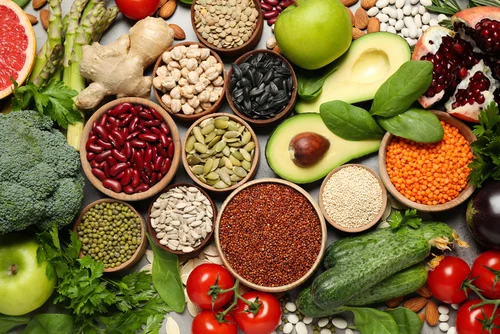
The practice of backyard chicken keeping has undergone a significant transformation over the past decade, evolving from a niche rural activity into a mainstream urban and suburban trend. As more households adopt poultry for egg production, pest control, and sustainable waste management, the nuances of avian nutrition have moved to the forefront of veterinary and agricultural discourse. While chickens are biological omnivores—capable of consuming a diverse array of flora and fauna—the common misconception that they function as universal "garbage disposals" for household waste poses a significant threat to flock health. Expert analysis and veterinary data suggest that while many kitchen scraps are beneficial, several common foods contain potent toxins such as persin, solanine, and cyanide, which can lead to chronic illness or acute mortality in poultry.

The Nutritional Landscape of the Modern Backyard Flock
Domesticated poultry require a precise balance of proteins, fats, carbohydrates, and minerals to maintain optimal health and egg-laying capacity. In a commercial or strictly controlled environment, this is achieved through formulated feeds. However, the contemporary "farm-to-table" cycle often involves returning household food scraps to the coop. While this practice promotes sustainability and reduces municipal waste, it introduces biological risks that are often underestimated by novice keepers.

According to the Merck Veterinary Manual and various state agricultural extension services, the physiological response of a chicken to certain toxins is markedly different from that of mammals. Because of their high metabolic rates and unique digestive systems, birds may succumb to concentrations of toxins that would only mildly affect a larger animal. The danger is compounded for younger birds or those with compromised immune systems, where even trace amounts of a "toxic treat" can trigger systemic failure.

A Chronology of Avian Dietary Awareness
The understanding of avian dietary restrictions has evolved through a combination of traditional agricultural wisdom and modern clinical toxicology. Historically, chickens were largely left to forage, supplemented by grains. The introduction of intensive kitchen-scrap feeding is a relatively modern phenomenon associated with the "zero-waste" movement.

In the early 20th century, agricultural bulletins focused primarily on caloric intake and protein ratios for meat and egg yields. It wasn’t until the mid-to-late 20th century that clinical studies began identifying specific botanical toxins affecting poultry. For instance, the toxicity of avocados in birds was documented with increasing frequency as exotic fruit consumption rose in North America and Europe. Similarly, the link between raw legumes and avian gastric distress became a focal point of study as plant-based proteins gained popularity in animal husbandry. Today, the synthesis of this data allows for a comprehensive "no-fly list" of foods that should be strictly excluded from the coop.

High-Risk Toxins: The "Toxic Fifteen" and Beyond
The following breakdown details the specific chemical compounds and physiological impacts of foods that are considered dangerous for poultry.
.jpg)
1. The Avocado and Persin Toxicity
Avocados are perhaps the most dangerous common fruit for poultry. They contain a fungicidal toxin called persin. While relatively harmless to humans, persin is highly toxic to many animals, particularly birds. The Merck Veterinary Manual notes that ingestion of avocado—including the flesh, skin, pit, and even leaves of the plant—is associated with myocardial necrosis (the death of heart muscle tissue). Symptoms include an increased heart rate, respiratory distress, and sudden death. Research indicates that as little as 5% of an avocado can be fatal to small avian species within 48 hours.

2. The Nightshade Family: Solanine and Chaconine
White potatoes, tomatoes, eggplants, and peppers are members of the nightshade (Solanaceae) family. These plants produce alkaloids called solanine and chaconine as natural pesticides. In potatoes, these toxins are concentrated in the green skin, "eyes," and sprouts. Solanine is a potent neurotoxin that destroys red blood cells and can cause diarrhea, heart failure, and paralysis. While cooking at extremely high temperatures can reduce solanine levels, boiling is often insufficient. Consequently, raw potato peels and green tomatoes should never be offered to a flock.

3. Cyanogenic Glycosides in Stone Fruits and Apples
While the flesh of apples, peaches, cherries, and plums is safe and nutritious, their seeds and pits contain amygdalin. When ingested and metabolized, amygdalin releases hydrogen cyanide. Cyanide interferes with cellular respiration, effectively cutting off oxygen to the body’s tissues. In chickens, this manifests as a "bluish comb," respiratory failure, and rapid cardiac arrest. Poultry keepers are advised to core apples and pit stone fruits before offering them as treats.

4. Phytohaemagglutinin in Raw Beans
Raw or undercooked dried beans, particularly kidney beans, contain high levels of the lectin phytohaemagglutinin. This compound serves as a natural insecticide for the plant but is a deadly poison for chickens. Consuming as few as three or four raw beans can cause death in an adult hen. The toxin causes severe gastric distress and rapid red blood cell clumping. To make beans safe, they must be soaked for several hours and then boiled thoroughly to denature the lectins.

5. Alliums and Hemolytic Anemia
Onions contain thiosulphate, a compound that can cause hemolytic anemia by destroying red blood cells. While small amounts may not be immediately fatal, consistent exposure leads to jaundice, weakness, and eventual death. Garlic, also an allium, contains significantly less thiosulphate and is often used in moderation for its antimicrobial properties, but onions should be avoided entirely to prevent the tainting of egg flavors and long-term blood disorders.

6. Methylxanthines: Caffeine and Chocolate
Caffeine and theobromine are methylxanthines found in coffee, tea, and chocolate. Birds are highly sensitive to these stimulants. Ingestion leads to heart arrhythmias, tremors, seizures, and sudden cardiac death. Even used coffee grounds in a compost pile can pose a risk if chickens are allowed to forage in the area.

7. Rhubarb and Oxalic Acid
Rhubarb leaves are famously toxic due to high concentrations of oxalic acid. In poultry, oxalic acid binds with calcium, creating calcium oxalate crystals. This not only leads to kidney stones and potential renal failure but also leaches calcium from the bird’s system, resulting in soft-shelled eggs and skeletal weakness.

Foods Requiring Strict Moderation
Beyond the strictly toxic, several foods pose health risks if fed in excess. This category includes "nutritional interferents" that can degrade the quality of life and production.

- Citrus Fruits: Oranges and lemons are believed to interfere with calcium absorption. While chickens can synthesize their own Vitamin C, excessive citrus can lead to thin eggshells and reduced laying frequency.
- Spinach: Like rhubarb, spinach contains oxalic acid. While highly nutritious in small doses, it should be an occasional treat rather than a dietary staple.
- Dairy Products: Chickens lack the enzyme lactase required to digest milk sugars. While yogurt and cheese provide calcium and protein, excessive amounts can cause severe diarrhea.
- Salt and Sugar: High-sodium "junk foods" can lead to salt poisoning and kidney damage, while sugary snacks contribute to obesity and "fatty liver hemorrhagic syndrome," a common cause of death in backyard hens.
Expert Analysis: The "10% Rule" and Official Responses
Veterinary experts from institutions such as the Maine Extension Service emphasize that treats—even healthy ones like watermelon or kale—should never exceed 10% of a chicken’s total daily caloric intake. The remaining 90% must come from a high-quality, nutritionally balanced commercial feed.

The official stance from avian nutritionists is one of "precautionary avoidance." Because clinical trials on the exact "lethal dose" of toxins like thiosulphate or persin for every breed of chicken are non-existent, the safest course of action is total exclusion. Dr. Lisa Steele, a prominent author in the field of poultry husbandry, advocates for a "scraps bowl" system where only known-safe items are collected, while nightshades, pits, and onions are diverted to a closed compost bin inaccessible to the birds.

Broader Impact and Implications for Sustainable Farming
The implications of avian dietary mismanagement extend beyond the loss of individual birds. For the small-scale farmer, a sick flock represents an economic loss and a break in the local food supply. Furthermore, the presence of toxins in a chicken’s diet can theoretically affect the chemical composition of the eggs produced, though the primary concern remains the welfare of the animal.

As the backyard poultry movement continues to grow, there is an increasing need for standardized educational resources. The shift from seeing chickens as "waste recyclers" to "producing livestock" requires a mental shift in the owner. Proper nutrition is the foundation of biosecurity; a bird receiving a balanced diet is more resilient against environmental pathogens and stressors.

In conclusion, while the ability of chickens to eliminate food waste is a significant benefit of homesteading, it must be managed with scientific rigor. By identifying and eliminating "toxic treats," keepers can ensure the longevity and productivity of their flocks. The move toward a more informed approach to poultry nutrition mirrors a broader trend in animal welfare, where the health of the animal is prioritized alongside the utility it provides to the household. Choosing a wide variety of fresh, safe vegetables, whole grains, and proteins will ultimately lead to a more sustainable and successful backyard farming experience.
