
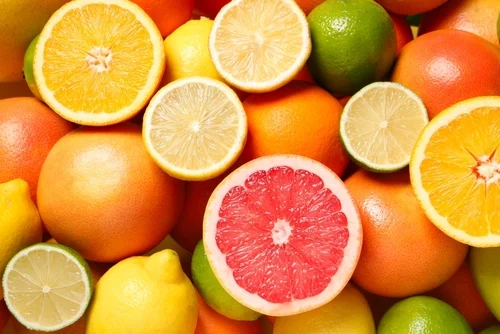
Agricultural researchers and avian veterinarians have long analyzed the complex dietary requirements of Gallus gallus domesticus, the common domestic chicken, to optimize health and egg-laying efficiency. Among the various kitchen scraps and agricultural byproducts frequently offered to backyard flocks, citrus fruits—including oranges, lemons, limes, and grapefruits—occupy a controversial position. While not acutely toxic in the same manner as nightshades or avocados, the inclusion of citrus in a chicken’s diet presents significant physiological challenges, primarily concerning calcium metabolism and the bird’s innate ability to synthesize essential vitamins.
The Biochemical Conflict: Citric Acid and Calcium Absorption
The primary concern regarding citrus consumption in poultry revolves around the interference with calcium absorption. Calcium is the most critical mineral for a laying hen, as it is the primary component of the eggshell. A standard eggshell consists of approximately 94 to 97 percent calcium carbonate. To maintain this production, a hen must mobilize significant amounts of calcium from both her diet and her medullary bone reserves.
Scientific observation suggests that excessive citric acid intake can disrupt the delicate pH balance within the chicken’s digestive tract. While the proventriculus (the glandular stomach) naturally maintains an acidic environment for protein digestion, an influx of exogenous citric acid can alter the solubility of calcium. Furthermore, some studies indicate that high levels of Vitamin C (ascorbic acid) and citric acid can compete with or inhibit the metabolic pathways required for calcium to be transported from the gut into the bloodstream.

When calcium absorption is hindered, the hen’s body prioritizes survival over reproduction. If the bloodstream does not contain sufficient calcium levels to facilitate shell formation in the shell gland (uterus), the bird will begin to leach calcium from her own skeletal structure. This process, known as osteomalacia or "cage layer fatigue" in commercial settings, results in brittle bones and increased fracture risks. Simultaneously, the external manifestation of this deficiency is seen in the production of soft-shelled or thin-shelled eggs, which are unmarketable and prone to breakage, potentially leading to egg-eating behaviors within the flock.
Endogenous Vitamin C Synthesis in Poultry
A common misconception among novice poultry keepers is that chickens require supplemental Vitamin C from citrus fruits, similar to the dietary requirements of humans or guinea pigs. However, chickens are physiologically distinct in this regard. Unlike primates, chickens possess the gulonolactone oxidase enzyme, which allows them to synthesize their own Vitamin C within their kidneys and liver.
Under normal environmental conditions, a healthy chicken produces all the ascorbic acid necessary for its metabolic functions, including collagen synthesis and immune response. Consequently, the high Vitamin C content in oranges and grapefruits offers no additional nutritional value. In fact, providing an external source of Vitamin C can occasionally trigger a feedback loop that suppresses the bird’s natural synthesis capabilities. While supplemental Vitamin C is sometimes recommended by veterinarians during periods of extreme heat stress to help stabilize body temperature and reduce oxidative damage, this is typically administered via controlled water supplements rather than whole citrus fruits.
A Chronology of Poultry Nutritional Science
The understanding of avian nutrition has evolved significantly over the last century, moving from a "scavenger" model to a precision-based science.

- Early 20th Century (1900–1930s): Small-scale farmers largely fed chickens table scraps and grains. During this era, the specific role of micronutrients was poorly understood, and citrus was rarely used as feed due to its cost and the birds’ natural aversion to it.
- The Rise of Commercial Mash (1940s–1960s): As the poultry industry shifted toward intensive production, researchers identified the precise ratios of protein, phosphorus, and calcium required for maximum yield. It was during this period that the negative correlation between high-acid diets and shell quality began to be documented in agricultural journals.
- The Backyard Revolution (2000s–Present): The resurgence of urban and suburban homesteading brought a renewed focus on "natural" feeding. This era saw a rise in the feeding of kitchen waste, necessitating clearer guidelines from agricultural extension offices regarding the dangers of citrus, onions, and chocolate in avian diets.
Current research continues to investigate the impact of d-limonene, a major component of citrus oil found in the rinds. While d-limonene has antimicrobial properties, in high concentrations, it can act as a digestive irritant for poultry, leading to reduced feed intake and slower growth rates in pullets.
Behavioral Observations and Natural Aversion
Ornithologists have noted that chickens often display a natural reluctance to consume citrus fruits. This behavior is categorized as a form of nutritional wisdom, where the animal’s sensory systems—specifically taste and smell—steer them away from substances that are difficult to digest or metabolically taxing. The strong essential oils in citrus peels are particularly repellent to most birds.
In a controlled environment, if a "fruit salad" containing various melons, berries, and citrus is presented to a flock, the chickens will almost invariably pick around the citrus. This selective feeding ensures they obtain high-energy sugars from berries while avoiding the acidity of the citrus. However, in situations where forage is scarce or birds are bored, they may consume citrus rinds, leading to the aforementioned physiological issues.
Supporting Data: The Impact on Egg Production
Data from agricultural extensions highlights the sensitivity of the laying cycle. A single hen requires roughly 4 to 5 grams of calcium to produce one egg. If citrus consumption reduces calcium bioavailability by even 10 percent, the impact on a flock of 50 birds is substantial.

- Production Rate: High-citrus diets have been linked to a 5-15% drop in total egg production over a 30-day period.
- Shell Thickness: Measurements using micrometers show that hens consuming regular citrus scraps produce shells that are significantly thinner than the standard 0.35mm required for structural integrity.
- Internal Quality: While the interior of the egg (the yolk and white) remains largely unaffected in terms of flavor, the overall shelf life of the egg decreases because a thinner shell is more porous, allowing for faster moisture loss and increased risk of bacterial penetration.
Expert Reactions and Official Recommendations
The consensus among the American Poultry Association (APA) and various veterinary bodies is clear: citrus should be excluded from the regular diet of backyard poultry. Dr. Aris S. Vrettos, an avian specialist, notes that while "the occasional peck at a discarded orange slice is not a death sentence," the cumulative effect of citrus in a daily scrap bucket can be "insidiously detrimental to the bird’s long-term skeletal health."
Many agricultural experts recommend that instead of feeding citrus to chickens, homesteaders should divert these scraps to a compost pile. However, even in composting, caution is advised; high volumes of citrus can lower the pH of the compost, potentially harming the red wiggler worms often used in vermicomposting.
Broader Impact and Implications for Sustainable Farming
The management of dietary restrictions in poultry has broader implications for sustainable agriculture and food security. As more households turn to chickens as a source of protein, the health of these flocks becomes a matter of domestic stability. Misinformation regarding "healthy" treats can lead to avoidable veterinary costs and the loss of livestock.
Furthermore, the "citrus debate" highlights the importance of species-specific nutrition. What is considered a "superfood" for humans—such as the Vitamin C-rich grapefruit—can be a metabolic hindrance for another species. This underscores the necessity for rigorous, fact-based education for the growing demographic of non-commercial poultry keepers.

Conclusion and Strategic Alternatives
For the poultry keeper seeking to provide supplemental nutrition without the risks associated with citrus, several safe and beneficial alternatives exist. Leafy greens such as kale, spinach, and Swiss chard provide essential vitamins and minerals without disrupting calcium absorption. Watermelon and cucumbers offer hydration during summer months, while sprouted grains provide a protein boost.
In summary, while the domestic chicken is a remarkably hardy and versatile omnivore, its digestive system has specific limitations. The biochemical interference caused by citric acid and the lack of a nutritional requirement for supplemental Vitamin C make citrus fruits an unnecessary and potentially harmful addition to the coop. By adhering to a diet focused on high-quality grains, consistent calcium supplementation via oyster shells, and safe vegetable scraps, poultry keepers can ensure the longevity of their flock and the consistent quality of their egg production. The role of the responsible keeper is to align the flock’s diet with its evolutionary biology, prioritizing the minerals and nutrients that sustain life and production over the convenience of disposing of kitchen waste.
