

The once-vibrant forests of western Mexico, echoing with the raucous calls and dazzling plumage of large, wild Military Macaw ( Ara militaris) populations, are now shrouded in a somber silence. Decades of relentless illegal logging, unchecked urban expansion, and the insidious grip of the wildlife trafficking trade have pushed these magnificent avian symbols of the region to the precipice of extinction. The sight of a flock of Military Macaws soaring through their natural habitat has become an increasingly rare and poignant spectacle, a stark reminder of what has been lost. However, amidst this environmental crisis, a beacon of hope has emerged in the form of the dedicated efforts of the Txori Foundation, an organization committed to the recovery of these iconic parrots.
A Legacy of Conservation: The Txori Foundation’s Enduring Mission
Founded in 1989, the Txori Foundation was established in direct response to Mexico’s escalating environmental challenges. With a mission rooted in over a century of dedication to wildlife preservation, the foundation has consistently championed the cause of endangered species. Their current, most pressing endeavor focuses on a crucial flock of 16 Military Macaws residing at their sanctuary. These birds are not merely being housed; they are undergoing an intensive and meticulously planned rehabilitation program, preparing them for a monumental event: their complete reintroduction into the wild.
The rehabilitation process is overseen by a specialized, multidisciplinary team, a testament to the complexity and seriousness of the undertaking. This dedicated network comprises avian veterinarians, experienced wildlife rehabilitators, ethologists specializing in avian behavior, and conservation biologists. Their collective expertise ensures that the macaws develop the essential survival skills necessary to thrive independently. This includes honing their foraging abilities, mastering natural flight patterns in open environments, and reacquencing them to the sounds and sights of their native habitat. The ultimate goal is to re-establish these birds within their original biological corridors, a vital step towards naturally repopulating the species and initiating a genuine recovery of Mexico’s wild macaw populations.
The Countdown to Freedom: March 2027 and the Funding Imperative
The ambitious release of these 16 Military Macaws is currently slated for March 2027, a date that represents a significant milestone in the Txori Foundation’s conservation efforts. However, as a privately funded conservation initiative, the foundation faces the persistent and arduous challenge of securing consistent financial resources. Before the aviary doors can swing open to freedom, the Txori Foundation must successfully meet its fundraising targets. These funds are critical for covering essential, non-negotiable operational costs that are fundamental to the birds’ successful reintegration.
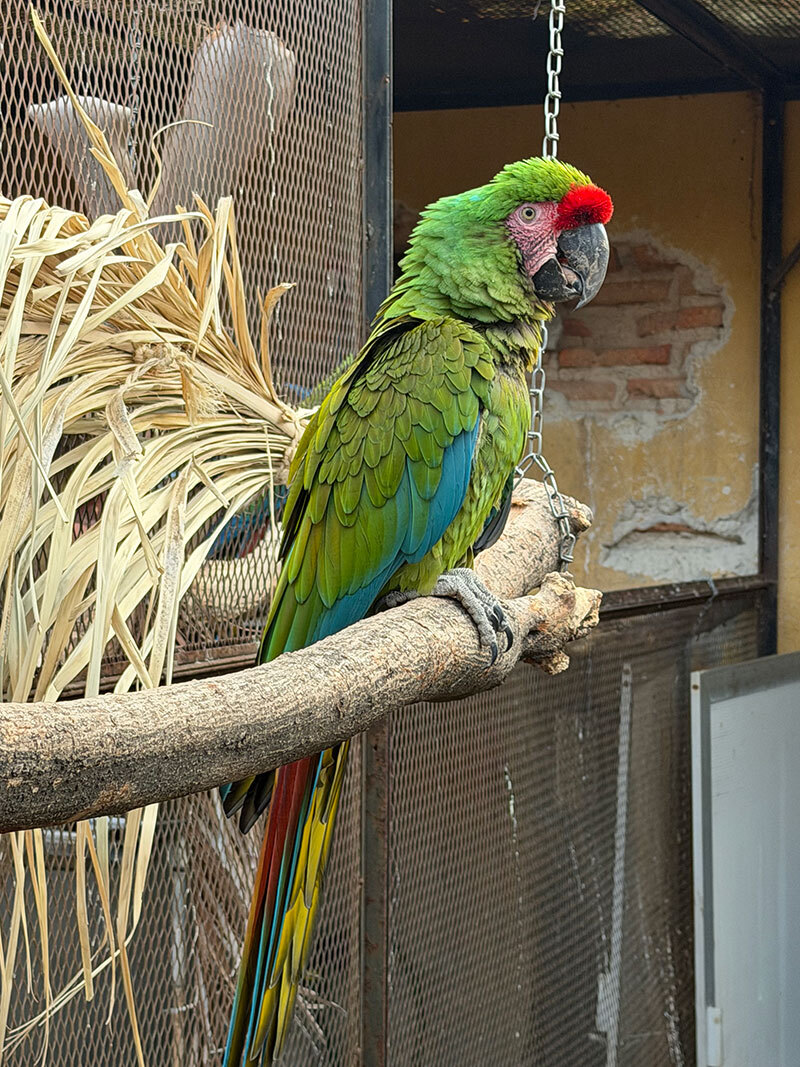
These costs include the ongoing procurement of specialized, nutrient-rich diets that mimic natural foraging opportunities, ensuring the macaws receive the optimal nutrition for their physical and behavioral development. Furthermore, significant investment is required for veterinary care and health monitoring, guaranteeing that each bird is in peak condition for release. The construction and maintenance of specialized release aviaries, designed to acclimate the macaws to outdoor conditions and natural predators, also represent a substantial financial commitment. Finally, post-release monitoring equipment and personnel are essential to track the birds’ progress and intervene if necessary, ensuring their long-term survival in the wild.
A Ripple Effect of Hope: Opening Doors for Future Rescues
The success of the planned March 2027 release extends far beyond the immediate liberation of these 16 individual macaws. Upon their departure, crucial space will become available at the Txori Foundation’s sanctuary. This newly opened capacity will enable the foundation to welcome a new cohort of birds, many of whom are victims of the devastating illegal wildlife trade and past abuse. This cycle of rescue, rehabilitation, and release offers a second chance at life and freedom for an even greater number of these magnificent creatures.
The journey of conservation is undeniably challenging, marked by setbacks and continuous demands. Yet, the Txori Foundation remains profoundly encouraged by the burgeoning interest and demonstrable willingness of the community to collaborate. By supporting these vital efforts, individuals and organizations alike can play a direct and impactful role in the resurgence of the Military Macaw population, restoring their rightful place in the Mexican skies.
The significance of this reintroduction program cannot be overstated. Military Macaws, once a common sight in parts of Mexico, have experienced a dramatic population decline. Historical records and ecological studies indicate that their range once extended across significant portions of western Mexico, including states like Jalisco, Colima, and Michoacán. However, by the late 20th century, their numbers had plummeted. The International Union for Conservation of Nature (IUCN) Red List classifies the Military Macaw as Vulnerable, with populations estimated to be in the low thousands globally, and a concerning downward trend. Factors contributing to this decline include:
- Habitat Loss: Deforestation for agriculture, cattle ranching, and logging has fragmented and destroyed the mature forests that provide essential food sources and nesting sites for the macaws. The loss of large trees, in particular, is detrimental as they are crucial for nesting cavities.
- Illegal Pet Trade: The demand for exotic birds as pets has fueled a lucrative illegal trade. Chicks are often removed from nests, leading to the death of the parents and a direct reduction in breeding success. Mature birds are also captured, further depleting wild populations.
- Human-Wildlife Conflict: As human settlements encroach on macaw habitats, conflicts can arise, sometimes leading to retaliatory killings when macaws raid crops.
The Txori Foundation’s initiative represents a critical intervention aimed at reversing these trends. By focusing on rehabilitation and reintroduction, they are addressing both the immediate need to increase the number of wild macaws and the long-term goal of restoring ecological balance.
A Glimpse into the Past: The Historical Presence of Military Macaws
The history of Military Macaws in Mexico is deeply intertwined with the region’s rich biodiversity. Indigenous cultures often revered these large parrots, incorporating them into their art, mythology, and spiritual practices. Their vibrant colors and imposing presence made them symbols of power and prestige. Early explorers and naturalists documented their abundant presence, painting a picture of a thriving ecosystem where these birds played a significant role in seed dispersal and forest regeneration.
The shift from abundance to near-extinction has been a gradual but devastating process. The mid-20th century saw an acceleration of development and resource extraction, with less emphasis on environmental protection. The illegal wildlife trade, driven by international demand, further exacerbated the problem, making Mexico a significant source country for trafficked parrots. Conservation efforts, while growing in recent decades, have often struggled to keep pace with the scale of the threats.
Expert Perspectives and the Science of Reintroduction
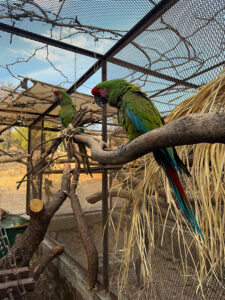
The success of reintroduction programs hinges on scientific rigor and a deep understanding of the target species’ ecological needs. The multidisciplinary team at the Txori Foundation employs evidence-based practices. Ethologists observe and analyze the macaws’ behavior, identifying any lingering signs of imprinting on humans or lack of natural foraging instincts. This information guides the design of rehabilitation exercises, which may include simulated foraging challenges, exposure to natural predators (under controlled conditions), and extensive flight training within large, naturalistic enclosures.
Avian veterinarians play a crucial role in ensuring the birds’ physical health, administering vaccinations, treating any injuries or illnesses, and monitoring their nutritional status. Conservation biologists contribute by identifying suitable release sites that offer ample food resources, water, and safe roosting and nesting opportunities. They also consider the genetic diversity of the released birds and their potential integration with any remaining wild populations.
The choice of March 2027 for the release is likely strategic, timed to coincide with favorable weather conditions and the availability of natural food sources in the release area. This meticulous planning minimizes risks and maximizes the chances of survival for the re-established flock.
Broader Implications and a Call to Action
The Txori Foundation’s work is more than just saving a species; it is about restoring an ecosystem and preserving a vital part of Mexico’s natural heritage. The return of Military Macaws to their natural habitats can have cascading positive effects. As seed dispersers, they contribute to forest regeneration, supporting a wider array of plant and animal life. Their presence also serves as an indicator of ecosystem health, signaling that their environment is capable of sustaining a complex web of life.
The success of this program also offers a model for other conservation initiatives facing similar challenges. It demonstrates that even in the face of severe threats, dedicated effort, scientific expertise, and community support can lead to tangible positive outcomes.
This month, Lafeber Company is contributing to the Txori Foundation’s efforts, directly supporting the macaws’ preparation for their return to their native habitat. The broader implications of this initiative extend to anyone who cares about avian conservation and the preservation of biodiversity. By raising awareness and providing financial support, individuals can become active participants in this critical mission. Sharing this story and considering a direct donation to the Txori Foundation can significantly contribute to their fundraising goals and ultimately, the successful reintroduction of the Military Macaw. The future of these magnificent birds rests not only on the dedication of organizations like the Txori Foundation but also on the collective will of a global community committed to protecting our planet’s precious wildlife.
